5 things I wish I knew before my study abroad year in Japan


Natasja is a BA Japanese and History of Art student who spent a year abroad studying in Tokyo, Japan. Here's what she wishes she had known before her year abroad.
The surge in interest in Japan on social media has led to an explosion of Japanese street interviews and glamorous travel content. However, when it comes to concrete tips for preparing to live and study abroad - not just visit on holiday - I found there to be much less information. Here are five things I wish I had known before studying abroad.
Get a SIM card before departure
Yes, I know, switching data packages and SIM cards probably was not one of the reasons you chose to study abroad. It’s the kind of tedious task that is easy to put off, but it's best to get it off your mind as soon as possible. The good news is, you can order a SIM card and arrange a mobile package online before you depart.
That way, all you have to do when you land, or during the plane journey, is insert your new SIM card. I would also recommend getting a Japanese number, as it makes signing up for local websites and booking services much easier. There is no doubt you will be grateful when you have one less thing to worry about while you are adjusting to a new environment.
Don’t underestimate the supermarket
Beyond Japan’s amazing thrift shops and restaurants, the supermarkets are also very different, and sometimes mysterious, in terms of the produce stocked. For example, supposedly familiar products like cheese and milk often tasted quite different. The variety of vegetables, meats and fish was also new to me, making it difficult or impractical to cook the meals I did in London.

Although I found the experience of cooking Japanese recipes and trying new foods very fun and exciting, the first few trips to the supermarket were overwhelming. I would spend at least an hour trying to decipher labels and figure out what the colourful array of jars and packets actually contained. In hindsight, I would have benefited from searching up some easy Japanese recipes and studying some supermarket-related vocabulary before departing.
Think about setting up a bank account
Whether or not you need a Japanese bank account depends on your circumstances. If you plan to get a part-time job, for example, it may be easier to be paid into a local account. In my case, I decided to set one up because my university (ICU) only accepted payments from local accounts or in cash, not international transfers. It is worth considering this in advance so you can get started on setting up an account soon after arriving. The paperwork can be lengthy and involve multiple steps, so getting ahead of it is a smart move.
Brace yourself for health insurance, pension and town hall registration procedures
Japanese admin is notoriously long and tedious. On the bright side, many students have completed it before, so although it can be frustrating, it is far from impossible. My university provided a guide explaining the paperwork required for pension exemption, health insurance enrolment, and how to register at the town hall.
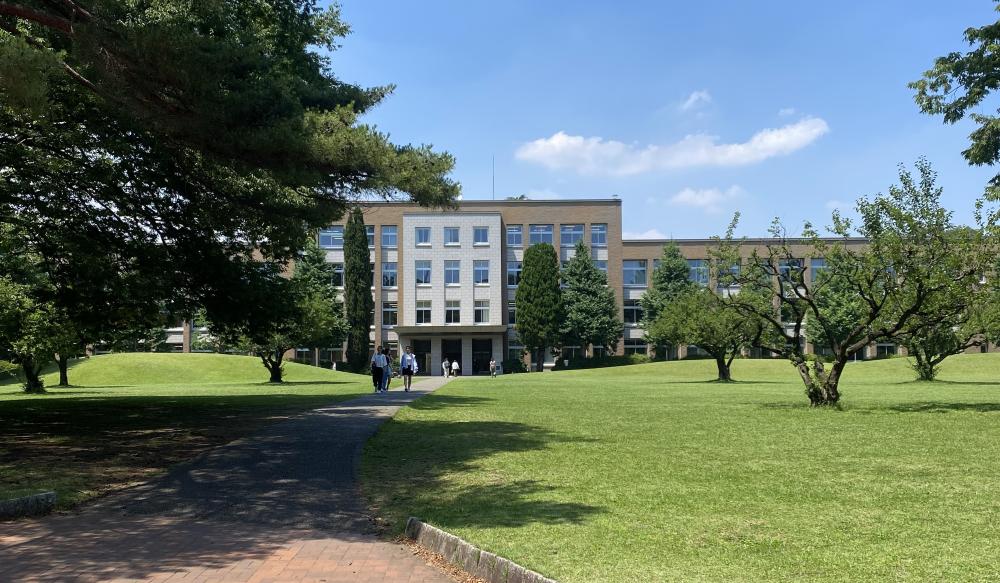
Fair warning: I ended up with a lot of cards, forms and documents. To avoid ending up in a paperwork mountain by the end of the year, it is sensible to go through the post carefully and start a dedicated file for important documents right away.
Language progress is not linear- track your learning
Like many other students, I expected my Japanese to improve rapidly in a steady, upward trajectory. While it did improve significantly, I experienced this progress in peaks and plateaus. At times, I felt like I would always be fumbling through conversations. At other times, I would understand an announcement or read a billboard and feel as if I had suddenly become fluent.
During periods of perceived stagnation, it became easy to feel stuck and unmotivated. One strategy I used to get through these slumps was keeping a record of moments when I felt I had either improved or struggled with my Japanese. Reflecting on my initial inability to recognise toothpaste upon arrival, I couldn’t deny that my language skills had improved!
Overall, there is a lot of clickbait content online about the adventurous, exciting parts of studying abroad, which can make it easy to lose sight of the less glamorous parts of moving to a new country. That being said, knowing about the things I have shared here would have spared me some stress - not to mention hours in the supermarket!
About the author
Natasja studies BA Japanese and History of Art and spent her year abroad studying in Tokyo, Japan.