Getting up close and personal… improving access to collections


To touch or not to touch, that's been the age old debate among scholars, visitors and gallery curators. In our latest gallery blog SOAS Gallery Collections and Engagement Officer Maria Rollo gives her professional opinion.
There has always been some debate amongst the museum community and leading academics about whether visitors should be able to touch museum objects. Mary Beard, the renowned scholar of Roman history and culture, has formerly indicated that the “idea of touching the past, that’s not only been taken away from us, we’ve actually bought in to the white glove phenomenon – you’re not allowed to touch the past!” (Front Row Late, 2018).
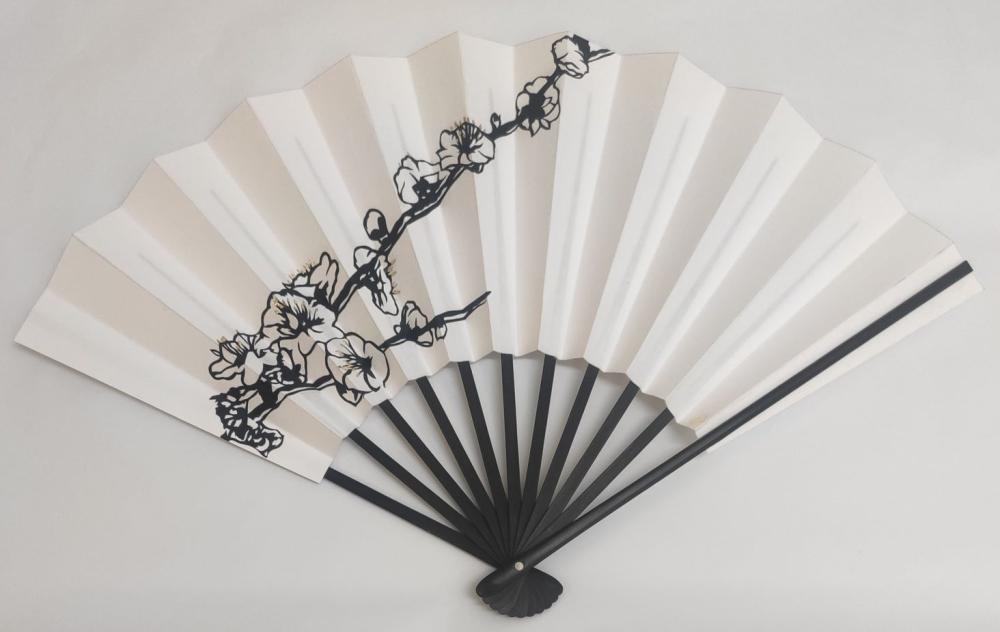
Visitors enjoy getting up close and personal to museum objects, with their excitement vividly on display as they view objects outside of their showcases. The temptation to touch is clearly visible, any Do Not Touch sign kills the excitement.
However, considering all visitors, and seeking to explore how museums can be more inclusive and cater for more diverse audiences, how can museums ensure secondary objects or handling collections are far from token items that may be touched, and start to think about using objects from its main or reserve collection that tell a real and significant story to the visitor?
The following questions are raised. How far should museums go with touch sessions to ensure the visitor experience is unique, and ensure visitors keep coming back to our museums and galleries? How do we ensure, as an example, visually impaired visitors are not discriminated against, as objects should be accessible to all, and should visiting a museum just be a visual experience? Or an immersive experience for all types of visitors?
The answers are relatively straightforward:
Yes, it is possible to select items from a collection for handling or public access sessions – those that have unique and interesting stories.
Yes, we must preserve material, but we also need to take on board that touching objects will not necessarily destroy them.
And as for gloves:
Yes, nitrile gloves may (but not always) need to be worn. [Psst, white cotton gloves are only ever used to please the TV cameras!]
It is about getting the balance right, assessing risk and interaction.
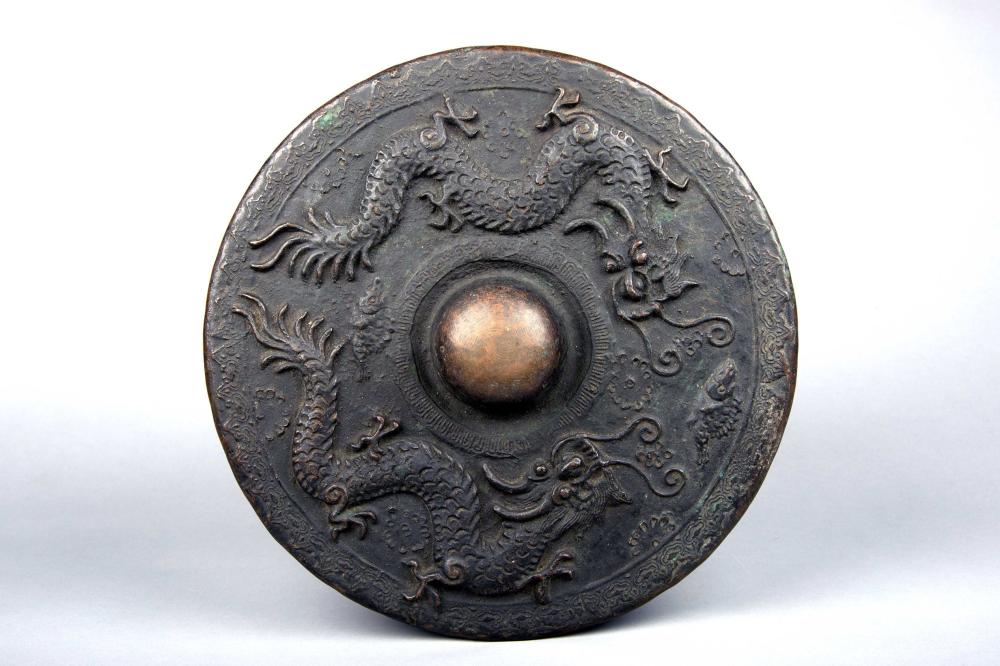
There is nothing more thrilling than experiencing the past through touch. In the seventeenth and eighteenth centuries visitors were allowed to touch museum objects, but later forbidden in the nineteenth and twentieth centuries, as it became undignified.
Touch helps us makes sense of the world; children continually explore objects by touch, it is how we build our sensory system. We are not advocating crossing barriers, or poking paintings with fingers. However, selecting interesting and thought-provoking items is key to enabling touch sessions to work for all kinds of visitor. We need to think a little outside of the box and look at how digital technology can also assist with tactile sessions to accommodate visitors with sight impairments or have specific learning or communication needs.
In 2015 the Prado Museum, Madrid introduced their Touching the Prado exhibition, enabling visually impaired visitors to gain an appreciation of some of their most treasured artworks on display. High-resolution imaging, with emphasized details, similar to relief painting techniques, provided reference points for a blind person’s hands, with braille guides and audio alongside.
The Prado have also experimented with smell, using diffusers to create synthetic smells so that visitors could smell, as well as see the painting by Brueghel and Rubens’ entitled The Sense of Smell, 1617-1618. Visitors were able to smell the roses, orange blossom, jasmine, etc, as part of the offer!
Touch objects can also be incorporated within displays, selecting durable objects (or authentic replicas) that are robust enough to withstand handling, alongside audio to fully provide the visitor with an understanding of the object and its story.
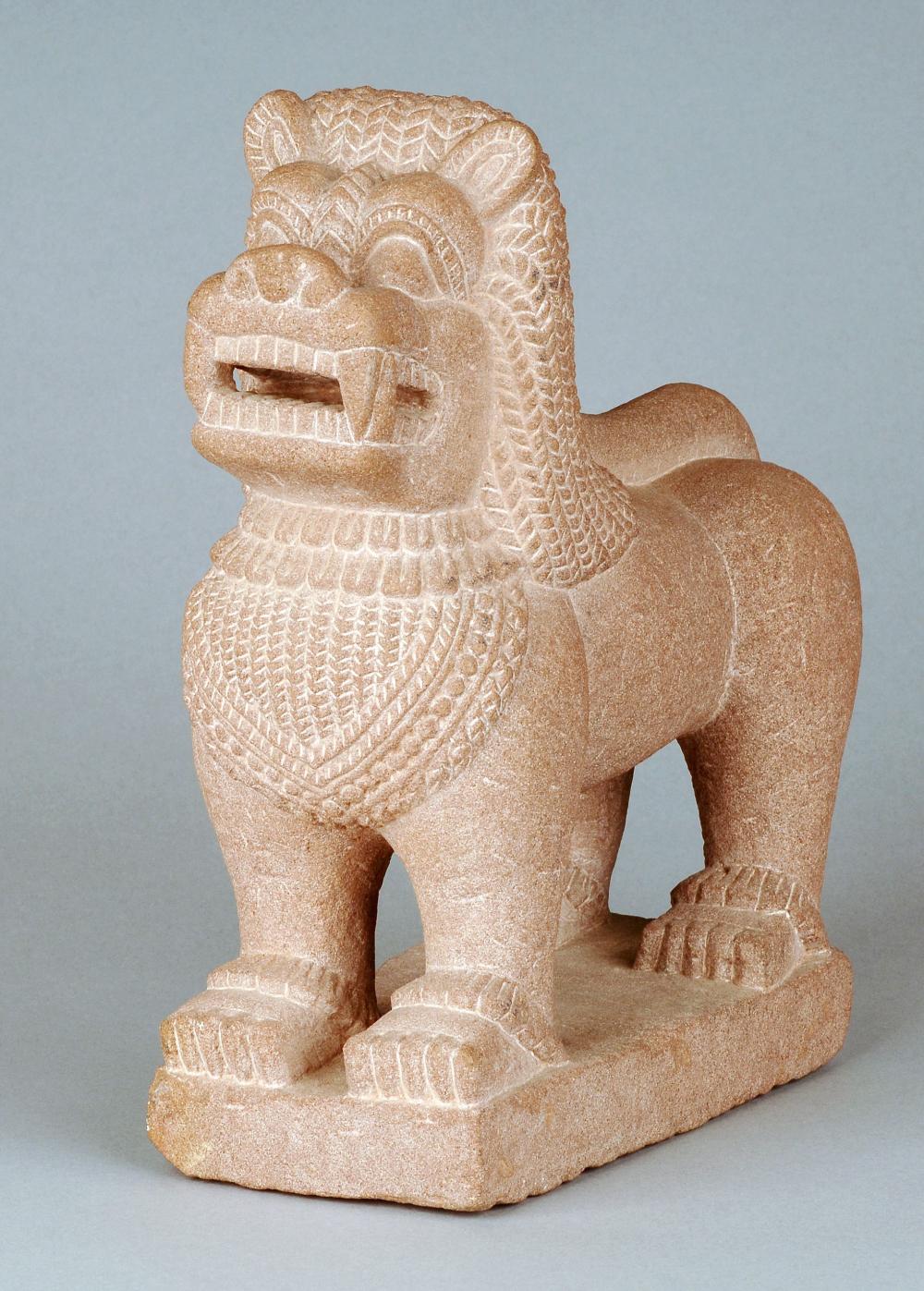
Opening stores, such as the recent V&A Storehouse offer, and requesting objects from the reserve collection that you can subsequently examine, and handle can also provide an enlightening visitor experience, and encourage return visits. However, staff training and the development of participation programmes are key for visitors that have specific needs.
Busy museum environments cause neurodivergent visitors to feel overwhelmed, however, some museums have created quiet times to welcome neurodivergent audiences into their museum. By lowering light levels, and muting audio across their spaces, and limiting visitor capacity at certain times of the day, they have encouraged a mutually beneficial connection with their collections.
Museums often consider their internal spaces, however, the Guggenheim, New York has created a sensory guide to its museum and its architecture. Designed for the blind or visually impaired “Mind’s Eye” takes you through the Guggenheim from the approach along Fifth Avenue to precise details such as how internal walls feel to the touch, and temperature changes you might experience as you move through the building. It’s an innovative approach.
Museums still have work to do and need to continually look at and reassess access beyond the usual visual parameters, to involve as many members as possible of their communities. Building relationships is key, however, this can only be achieved by listening to visitors, thus ensuring access to museums and their collections continually evolves and is inclusive.
The SOAS Gallery has introduced a series of 'Object in Focus' events. You can check our gallery events listings for updates and come look at objects close-up from the SOAS collection.
About the author
Maria Rollo is the Collections and Engagement Officer at the SOAS Gallery.