Mobility without protection: Cross-border migration and HIV risks in South Asia


A major HIV-prevention programme shows that community-based, gender-sensitive support can significantly improve knowledge and safer behaviour among South Asian migrant workers.
When people think about migration, international headlines tend to focus on the movement from the Global South to the North. Far less attention is paid to the vast flow of people migrating within the Global South itself, even though South–South migration now exceeds South-North migration, accounting for nearly 40 per cent of all international migrants.
Global data underscore this pattern. In 2020, out of the 280 million people living outside their country of birth, Asia alone hosted almost 86 million migrants, while Africa hosted another 25 million. Crucially, most of these migrants originated within their own regions: 80 per cent of migrants residing in Asia were born in another Asian country, and more than 82 per cent of migrants in Africa came from elsewhere on the continent.
South–South migration now exceeds South-North migration, accounting for nearly 40 per cent of all international migrants.
Even in other world regions, intra-regional mobility remains significant—over half of all international migrants in Europe were born in another European country, while more than three-quarters of migrants in Latin America originated within the region. These patterns reveal a global migration landscape that is far more regional than commonly portrayed.
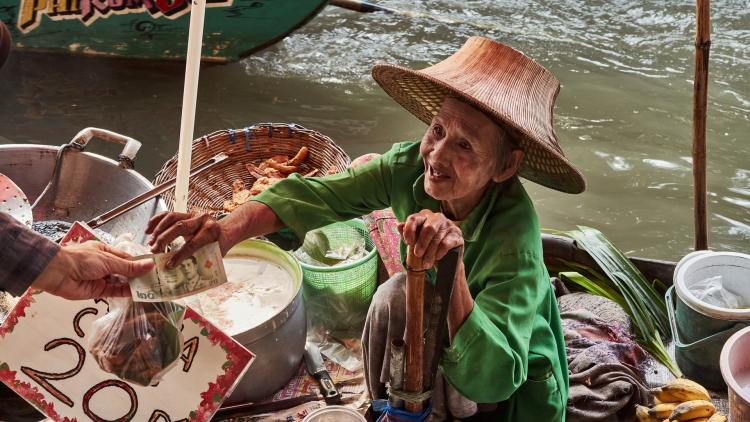
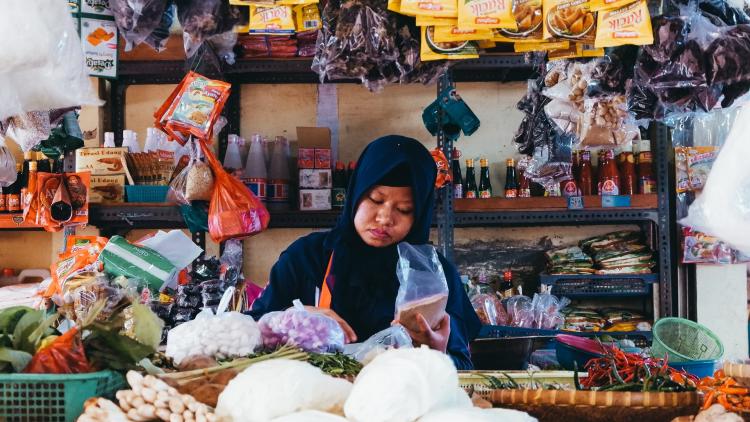
Indeed, most migrants move across nearby borders, driven by cultural, linguistic, and economic factors. In South Asia, millions from Bangladesh and Nepal migrate to India each year in search of work, better income opportunities, and the chance to send remittances back home. Yet, woven through these economic journeys are significant vulnerabilities.
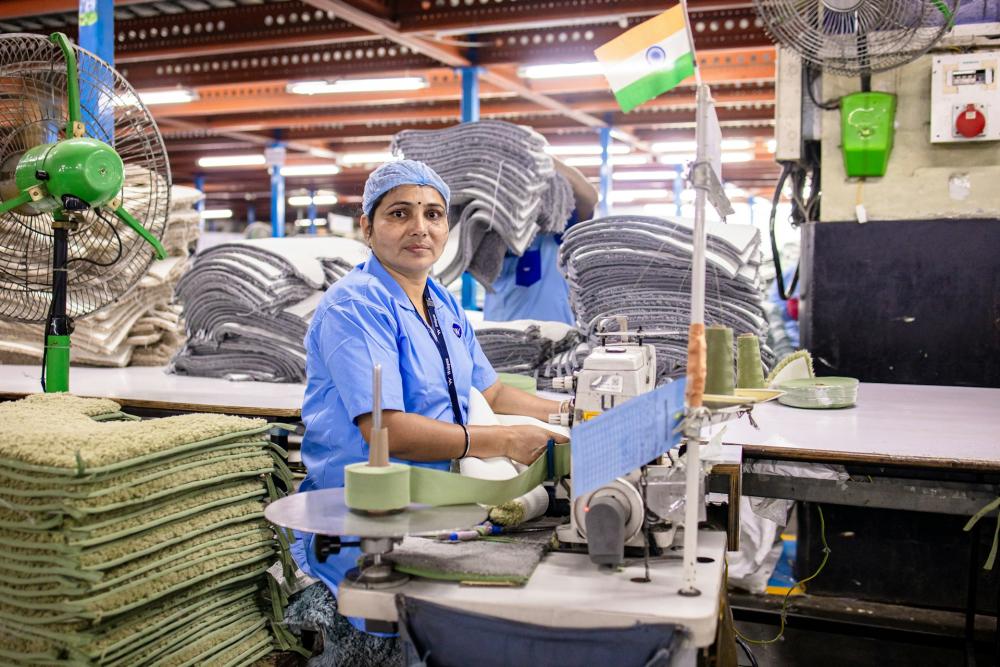
Migrant workers often leave their families and support networks behind, cross borders without documentation, settle in crowded urban neighbourhoods, and navigate working conditions that place them at heightened risk of exploitation. These circumstances create fertile ground for health crises, particularly the spread of sexually transmitted infections such as the Human Immunodeficiency Virus (HIV), and the Acquired Immune Deficiency Syndrome (AIDS), caused by HIV.
Although India, Nepal, and Bangladesh all have relatively low HIV prevalence among adults aged 15-49 years—around 0.2 percent, 0.1 percent and <0.1 percent in 2024, respectively—the risks among mobile workers are much higher. Migrants often face barriers to healthcare, experience loneliness and stress, and may engage in high-risk behaviours such as unprotected sex. These vulnerabilities do not stop at borders. When workers return home, their spouses and communities may be unknowingly exposed to HIV despite never having migrated themselves. This underscores the need for interventions that simultaneously target migrant workers at destinations and their families in source communities.
In a recent paper published in the journal Populations, co-authored with Fiona Samuels, of the Wolfson Institute of Population Health, Queen Mary University of London and Carla Canelas of the American University of Paris and the Centre d'économie de la Sorbonne, we provide one of the few rigorous quantitative analyses of a large-scale HIV prevention programme targeted at mobile populations. The initiative—Enhancing Mobile Populations’ Access to HIV and AIDS Services, Information and Support (EMPHASIS)—was designed to equip migrants with the knowledge, tools, and support networks needed to prevent HIV transmission. By the end of its implementation, the programme reached more than 350,000 migrant workers across major corridors linking Bangladesh and Nepal to India.
Knowledge as the first line of defence
At the core of EMPHASIS was the premise that knowledge plays a key role in changing behaviour. Migrants and their spouses often have limited access to reliable information about how HIV is transmitted. Misconceptions—such as the belief that HIV spreads through casual contact—remain common, and stigma can prevent open discussion of sexual health.
To address these barriers, the programme built a network of peer educators who conducted door-to-door visits, organised small-group discussions, and led awareness activities in both source and destination communities. Peers played a central role because migrants are more likely to trust someone who shares their language, background, and lived experience. Drop-in centres and mobile health facilities provided additional spaces for learning, discussion, and access to services.
Knowledge alone does not prevent infection, but without it, behavioural changes are unlikely.
Our analysis shows that these efforts led to substantial knowledge gains. Migrants in treatment communities became more likely to correctly identify the major modes of HIV transmission, with improvements ranging from around 27 to 36 percentage points, depending on the contexts. They were also much better able to distinguish between factual information and common misconceptions. Bangladeshi migrants, in particular, showed striking gains in recognising false beliefs about HIV/AIDS. By tackling misinformation and fostering open dialogue, the programme created conditions that allowed safer sexual practices to emerge and take hold.
Breaking taboos: HIV communication at home
In many South Asian societies, conversations about sex and HIV remain taboo. Women in particular often have limited ability to negotiate sexual health decisions or ask partners to use condoms. Despite these barriers, our analysis found that the programme substantially increased the likelihood that migrants discussed HIV with their spouses.
These conversations matter. Communication about HIV enables couples to make informed decisions, reduces stigma, and helps establish shared responsibility for safer practices. In source communities in Nepal, the probability of discussing HIV with a partner increased by about 30 percentage points. Bangladeshi migrants also reported strong gains—around 29 percentage points at destination sites in India and 27 percentage points in source districts.
The programme did more than present information; it helped households develop the confidence to discuss sensitive topics. Such a cultural shift is crucial for long-term prevention, particularly in communities where taboos have historically allowed health risks to spread unchecked.
Gender and safer behaviour
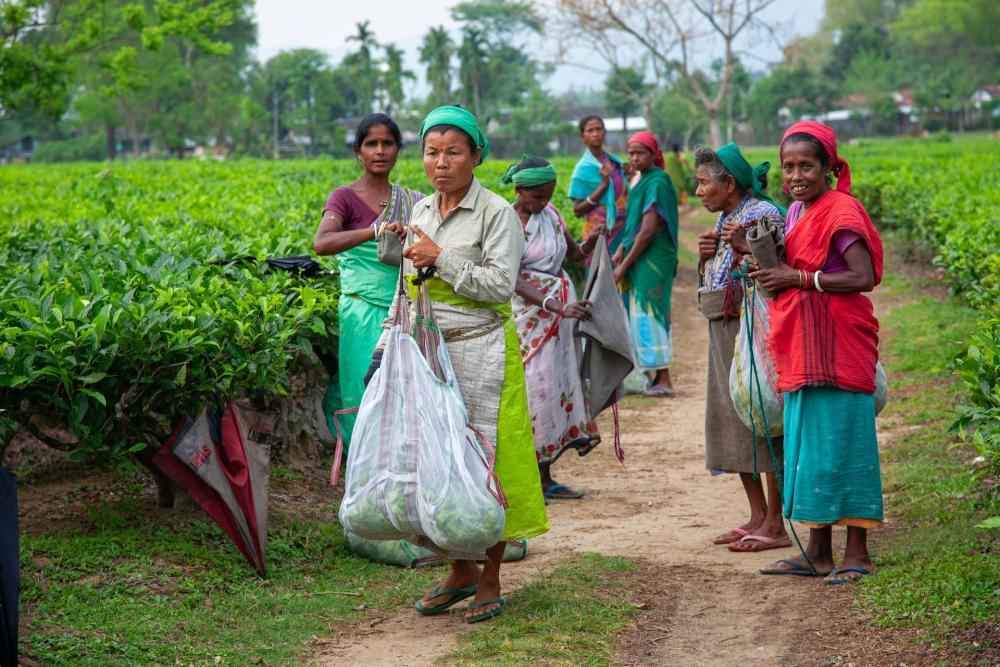
One of the most striking findings of the study is the programme’s impact on women. Female migrants and spouses often face greater vulnerabilities during migration. They may lack independent income, face pressure to remain silent about sexual matters, or suffer exploitation. Some Bangladeshi women recounted experiences of trafficking or coercion into sex work, highlighting how gender shapes risk in mobility contexts.
When women gain negotiating power within relationships, safer sexual practices become far more achievable and sustainable.
The programme included several interventions that targeted women, including solidarity groups, financial literacy training, and gender-awareness sessions. These initiatives strengthened women’s sense of agency and provided safe spaces to learn about their rights and health. The results were compelling: female respondents recorded larger increases in HIV knowledge, better recognition to misconceptions, and, stronger improvements in communication and condom use.
Women at destination sites—often the most vulnerable group—saw some of the largest behavioural changes. These findings underscore the importance of integrating gender empowerment into health programmes.
Transforming behaviour: The rise of condom use
Ultimately, the success of any HIV prevention programme hinges on whether people adopt safer behaviours. The analysis shows clear evidence of such change. Migrants who participated in the programme were more likely to use condoms—both in their most recent sexual encounter and as a regular practice.
The increase in condom use during the last intercourse ranged from 11 per cent in some groups to over 30 per cent in others. Even more meaningful was the decline in the likelihood of never using condoms. Among Bangladeshi migrants, the probability of never using a condom fell by roughly one-third. Similar reductions were observed among Nepali migrants in source communities.
This shift was driven by several factors. First, migrants gained accurate information about how condoms prevent HIV. Second, peer educators provided practical demonstrations and worked to normalise condom use. Third, many respondents also viewed condoms as valuable for family planning, making them appealing beyond HIV prevention alone. By reinforcing knowledge with practical tools and social support, the programme helped normalize condom use in communities where it had previously been rare or stigmatised.
Peer and community structures matter
The success of EMPHASIS rests on its community-based and peer-led foundations to improve information and HIV knowledge. Migration often isolates individuals from their traditional networks of support, but these social structures helped create a sense of belonging and trust. When migrants saw others participating in discussions, seeking services, and using condoms, they were more inclined to follow suit. These horizontal channels of information diffusion are especially powerful within mobile populations.
Cross-border referral systems provided another major strength. Migrants who tested positive for HIV or required STI treatment were able to continue receiving care even after moving between countries—a vital feature in contexts where mobility frequently disrupts health interventions.
Looking ahead: Building safer cross-border corridors
The gains in knowledge, communication, and safer sexual behaviour observed in our study demonstrate that when migrants receive accurate information and accessible support—delivered through community and peer-led approaches they trust—they are able to make meaningful changes that protect themselves and their families. Migrant women, in particular, face heightened risks. Gender-sensitive programming is therefore an essential pillar of any effective HIV prevention strategy.
Ultimately, the evidence shows that community-based strategies, peer networks, and cross-border coordination can collectively reshape how health systems engage with mobile populations. By embedding these elements into policy, governments and development agencies can move towards a regional approach to HIV prevention that is inclusive, responsive, and capable of reaching those who too often fall outside the reach of traditional public health systems.
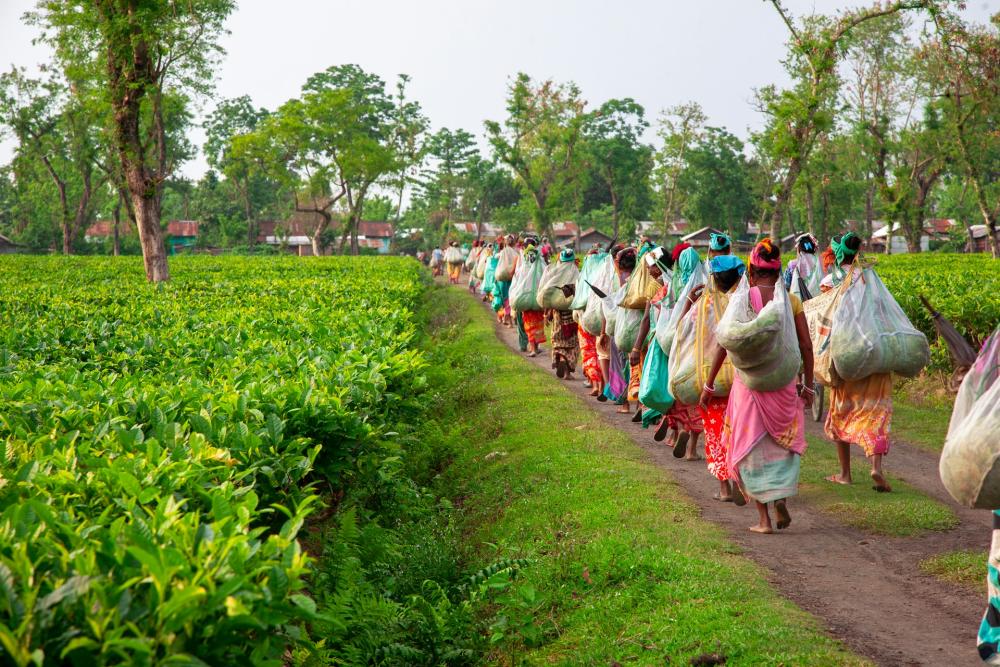
Header image credit: Rohit Dey via Unsplash.
About the author
Miguel Niño-Zarazúa is a Reader in Development Economics at SOAS University of London and a Non-Resident Senior Research Fellow at the United Nations University-World Institute for Development Economics Research.
He is a leading international scholar in the area of social protection and welfare institutions in the Global South, with extensive research in the areas of political economy of taxation and redistribution; Measurement and development impacts of poverty, social exclusion inequality and polarization; informality and labour market policies in low and middle income countries; the economics and social impacts of microfinance, and the intersection between foreign aid and economic and social development with a particular focus on sub-Saharan Africa, Latin America and South and Southeast Asia.
He has published extensively in World Development, Population and Development Review, Review of Income and Wealth, Journal of Economic Inequality, Journal of Development Studies, Journal of Comparative Economics, Journal of International Development, Economic Letters, among other journals. His most recent book, ‘The Politics of Social Protection in Eastern and Southern Africa’ (2019) is open access and published by Oxford University Press.