My teacher is on the reading list: Research highlights from School of History, Religions and Philosophies


My teacher is on the reading list is a blog series that highlights some of the work of SOAS academics—this time, Lilly spotlights scholars from the School of History, Religion and Philosophy.
As term two winds down, I often catch myself, somewhere between annotated bibliographies and group presentations, comparing my experience in the School of Languages, Cultures, and Linguistics with that of my peers in other departments. It might surprise you that, beyond an overarching SOAS pedagogy—most critically, centring theory from Africa, Asia, and the Middle East—each school has its own approach to instruction. That’s to say, SOAS isn’t interested in a one-size-fits-all policy (thankfully).
While I might not experience firsthand how the School of History, Religions and Philosophies structures its undergraduate and postgraduate programmes, I can be nosy and study up on their faculty’s publications - some of which, to my (un)surprise, are already on my TBR list.
Dr Elvis Imafidon - Lecturer in African Philosophy
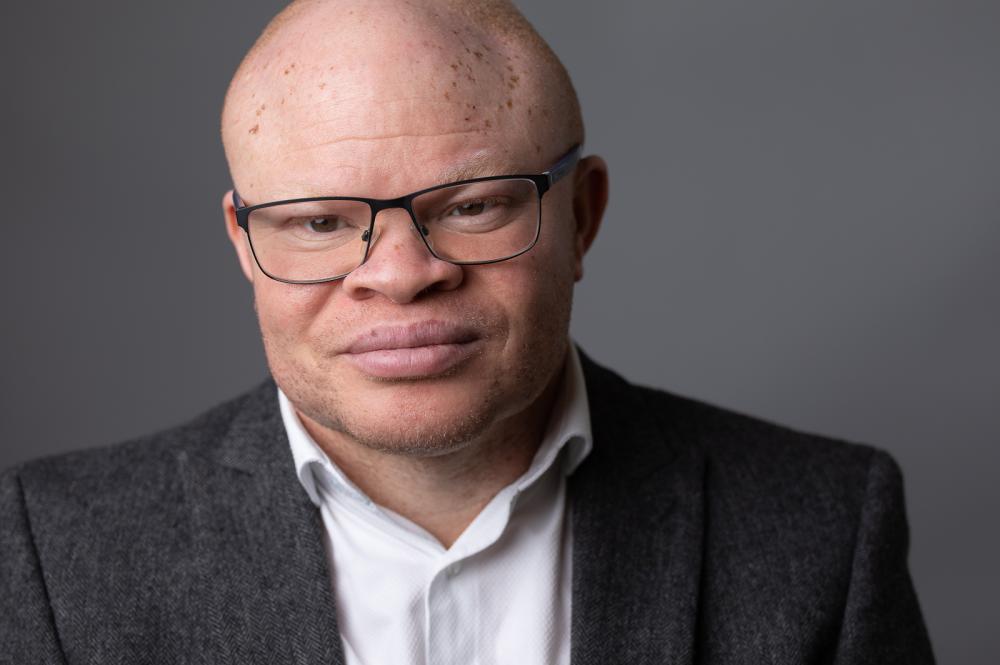
It’s an impossible task to choose just one of Dr Imafidon’s research focuses to highlight; he has published everything from a Springer Handbook on African Philosophy of Difference to articles concerned with ontologized ethics, communo-cognition, and analytic somaesthetics.
Alongside Dr Charlotte Baker, Dr Imafidon edited the volume Cultural Representations of Albinism in Africa Narratives of Change. The introduction alone is a spectacular overview of cultural representations of albinism within Africa and the way in which narrative impacts the advocacy of albinism.
Dr Wayne Dooling - Senior Lecturer in the History of Southern Africa
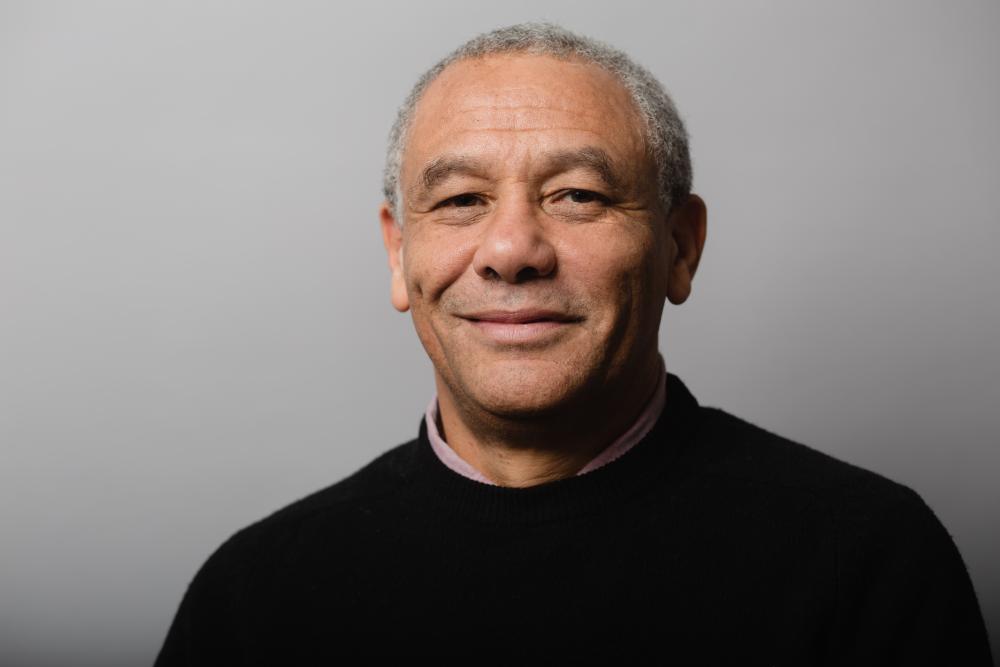
For anyone interested in the history of Southern Africa, particularly South Africa’s social and political transformations, Dr Dooling’s work is essential reading. Featured in podcasts, academic journals, and books, his research spans centuries of political struggle, with Cape Town often serving as its geographic focal point.
The article “'Cape Town Knows, but She Forgets’: Segregation and the Making of a Housing Crisis during the First Half of the 20th Century” is a compelling example of his more recent scholarship.
Professor Lucia Dolce - Numata Professor of Japanese Buddhism

When she’s not advising PhD students on topics ranging from Thai interpretations of Buddhist hells to astrological cults in Korean Buddhism, Professor Dolce is a leading scholar in Japanese religious culture, with perhaps one of the longest bibliographies on the SOAS website.
Currently, her research focuses on the discourse of the body in the ritual landscape of medieval Japanese Buddhism, as well as the relationship between Buddhism and Shinto. However, I find her work on Possession and Exorcism in Japanese Religions to be a fascinating glimpse into her extensive expertise in the spiritual practices of Japan.
Professor Richard King - Professor of Global Philosophy
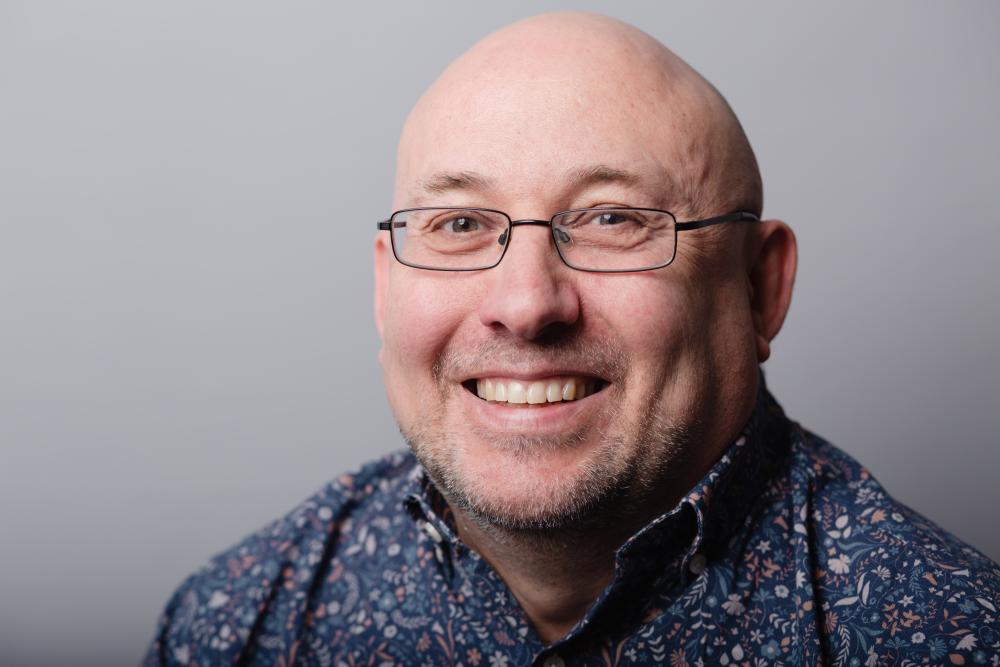
Professor Richard King describes his research as an exploration of “the intersection between what we call philosophy and mysticism/spirituality and the ways in which European colonialism has influenced (and continues to influence) modern interpretations of ancient Indian traditions.”
His 1999 book, Orientalism and Religion: Post-Colonial Theory, India and “The Mystic East”, draws on contemporary postcolonial theory in order to challenge religious studies of the so-called “mystic East.” As scholars like Grace Jantzen note, the work is a significant critique of the “othering” of the East, adding to a divisive tradition that can be traced back to Edward Said’s Orientalism and beyond.
Though I won’t have the chance to take a class with any of these outstanding faculty, it’s been a real pleasure engaging with their research - the kind of scholarship that my peers in the School of History, Religions, and Philosophies might just find on their syllabi.
Discover the first chapter in our series, spotlighting faculty from the School of Languages, Cultures and Linguistics.
About the author
A.L. (Lilly) Clausen received an MFA in Writing from the University of San Francisco and a BA in International Political Economy from Sarah Lawrence College. She is currently an MA candidate in Cultural Studies at SOAS, where she researches the publishing industry through the framework of late-stage capitalism. When she's not lost in a good book, Lilly loves to sing, tap, and craft stories on the page.