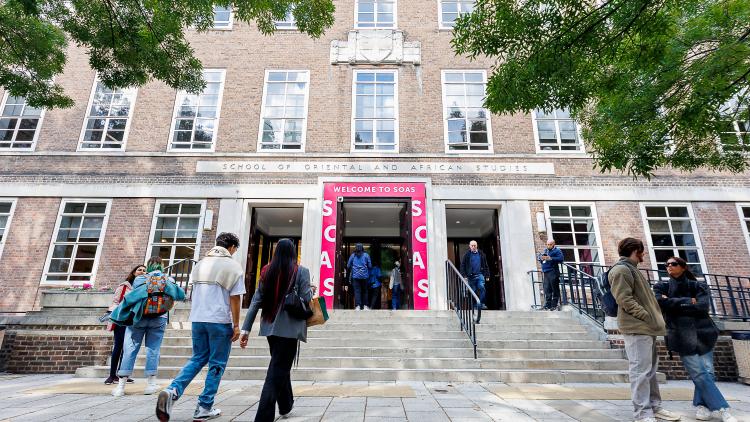
Why study philosophy at SOAS? Gain a global, inclusive approach to thought


What is philosophy? At SOAS, you'll study often-overlooked and under-appreciated philosophies from across the world, from Indigenous African to Indian traditions.
Philosophy often seems like an exclusive old men’s club with little relevance to real life. That perception alone keeps people from discovering the real magic the subject holds.
Yet everyone should encounter philosophy in some form, because it widens our understanding of even the simplest things and nudges us to look beyond them.
What philosophy really is
Philosophy is, at its core, an open and inclusive pursuit. Anyone with curiosity can take part. You don’t need years of formal study to begin questioning the world around you. A doctor or engineer must master the foundations before contributing anything new. A philosopher can begin the moment they choose to think seriously.
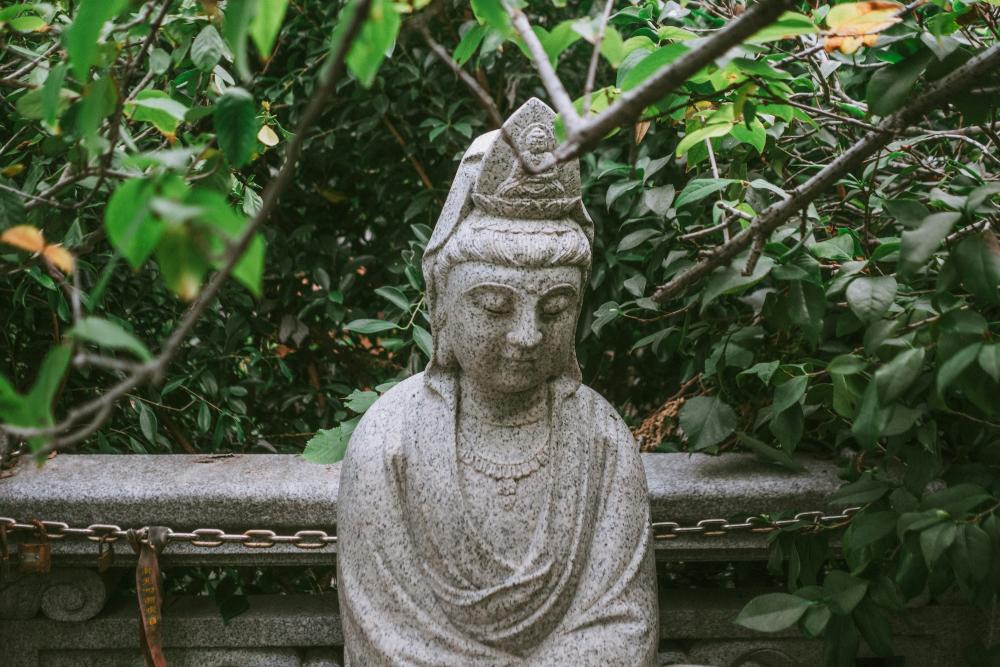
The earliest thinkers shaped philosophy by chasing questions without clear answers. Over time, countless voices joined in, making philosophy something that should welcome anyone willing to think with honesty and courage.
Is philosophy only a European phenomenon?
Think about the first person who came to mind when you opened this blog. Was it Plato or Socrates? Philosophy is too often portrayed as a white, European tradition.
A philosophy degree at SOAS reflects the whole world, not just one corner of it.
This is where SOAS changes the picture. You still study the familiar canon: Aristotle, Immanuel Kant, and Plato. But you also engage with philosophical traditions that are often overlooked: Indigenous African thought, Indian theories of knowledge, Middle Eastern ideas about ethics, and more. A philosophy degree at SOAS reflects the whole world, not just one corner of it.
Is Philosophy truly an inclusive subject?
In theory, philosophy is open to everyone. In practice, the history we’re taught is overwhelmingly male. Mary Ellen Waithe, a world-renowned philosopher, spent her career reviving the neglected work of women thinkers. She argues that philosophy has long been portrayed as a male enterprise, with women barely acknowledged in its history.
What is SOAS doing for this?
In one of my first lectures at SOAS, we tackled this problem directly. We studied Waithe’s ideas about making philosophy genuinely inclusive. She criticises the token “add and stir” approach, where departments add a small section on women philosophers just to appear diverse.
This approach turns women into anomalies, which is far from the truth. Their omission distorts what philosophy really is. Waithe instead calls for a curriculum where men’s and women’s ideas stand side by side and build a fuller understanding of thought itself.
SOAS takes this seriously. Inclusion here isn’t a gesture; it’s part of how the subject is taught.
Is Philosophy only about abstract questions in life?
Philosophy doesn’t have to be about the mysteries of the universe or questions about consciousness. Philosophy can also be about “we”.
How can philosophy be about “we”? By “we,” I mean community, belonging, and the shared spirit that connects human beings. This is captured in Ubuntu, a philosophy from the Bantu people of South Africa. Ubuntu comes from the Zulu phrase Umuntu Ngumuntu Ngabantu - a person is a person through other persons.
Ubuntu is about treating others with compassion, kindness, and generosity without expecting anything in return.
For those who follow it, social harmony is the highest good. Philosophies like these look simple but carry depth that can transform how we live.
What’s the point of even learning about Ubuntu?
We live in a world where the sense of community is being torn apart every day. Wars, division, and loss have fractured families and societies across continents.
Imagine if Ubuntu became second nature. It might feel idealistic, but ideals only seem impossible until people begin living by them.
Philosophies like these look simple but carry depth that can transform how we live.
Studying Ubuntu changed how I understand empathy. It showed me that altruism shouldn’t be rare or admirable; it should be ordinary. And it becomes ordinary only when each of us chooses to live that way.
So when you study philosophy at SOAS, you’re not just preparing to ask the difficult questions. You’re learning to ask the simple but necessary ones, too, like “Is philosophy truly inclusive?” and “How should we live with one another?”
About the author
Siddhant Pawar is a SOAS Student Content Creator and PPE student who somehow thinks writing about the world might just help fix it (it probably won’t, but he’s trying anyway). He writes his reflections at bloggingseeds.wordpress.com.