The Mekong: A confluence of power, survival, and change

Key information
- Date
- Time
-
10:00 am to 12:00 pm
- Venue
- Online and in-person at Chulalongkorn University Bangkok
- Room
- CU Social Innovation Hub Ground floor, Visid-Prachuabmoh Building Chulalongkorn University Bangkok 10330
About this event
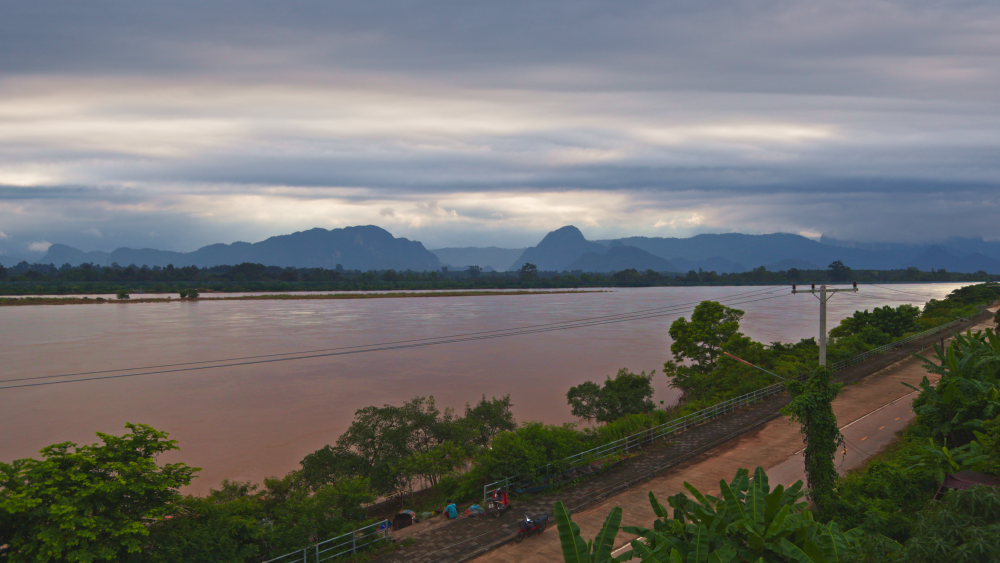
The Mekong is a vast river system, winding from the roof of Asia through thick jungle and into one of the most fertile rice deltas in the world. A vital artery, the river has long stood at the confluence of profound historical change. At once shaped by trade, conflict, and colonialism, since the 1960s it has become a locus of development and geopolitics.
Today, the Mekong embodies a fundamental tension: it is at once a canvas for dreams of prosperity and connectivity, and a site of accelerating ecological and social change. Development in one location creates cascading effects elsewhere. National ambitions for energy and infrastructure intersect with the survival needs of millions who depend on the river's seasonal rhythms. Climate change amplifies these pressures, intensifying droughts and floods that reshape livelihoods and regional dynamics.
In this seminar, we will explore how these forces intersect across scales, from the fishermen and farmers who live by the river's pulse, to the states and institutions seeking to harness its resources, to the regional power dynamics that determine the river's trajectory. Bringing together three experts from the political, scholarly and artistic sphere we will explore how the Mekong’s story reveals how shared resources become sites of both cooperation and contestation, and how development visions play out in the lives of those who depend on the river most.
Speakers
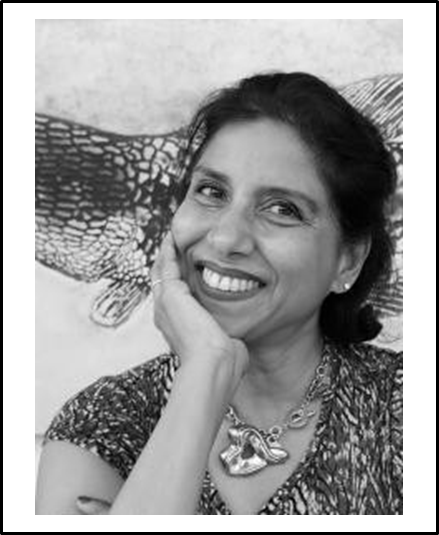
- Som Supaparinya
- Dr Anoulak Kittikhoun
- Andrew Johnson
Moderators
Please scroll down for biographies.
Registration
This event free, open to the public, and held online and in-person.
To attend online, please register using the link above.
To attend in-person, no registration is necessary.
Organiser
Jointly organised by the SOAS Centre of South East Asian Studies and the Mekong Studies Centre, Institute of Asian Studies, Chulalongkorn University with support from The Art and Archaeology of Pre-Modern Hindu-Buddhist Southeast Asia Lecture Series.
Cultural Pulses in Dialogue Seminar Series
This interdisciplinary seminar series explores the deep connections between creative expression and the shifting political and social landscapes of Southeast Asia. Designed to be accessible in content, language, and approach, without compromising academic depth, the seminars invite participants from all backgrounds to consider creativity as a powerful mode of inquiry, critique, and engagement in a rapidly changing region.
Contact
Header image: Still shot of an exhibition, "The River They Don't See," by Som Supaparinya, displaying the work A Separation of Sand and Islands at Kestner Gesellschaft, Germany, 15 August 2025. Photographer: Volker Crone. Images courtesy of Kestner Gesellschaft, Germany.
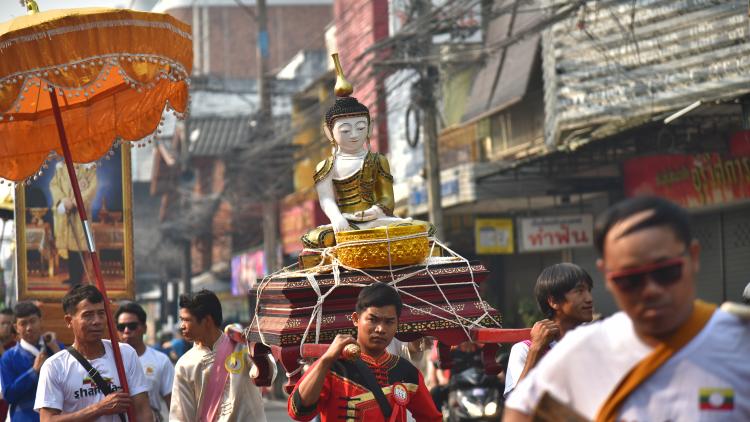
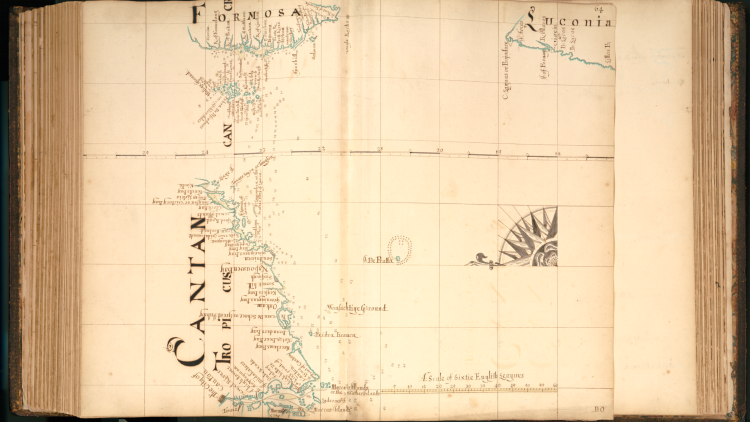
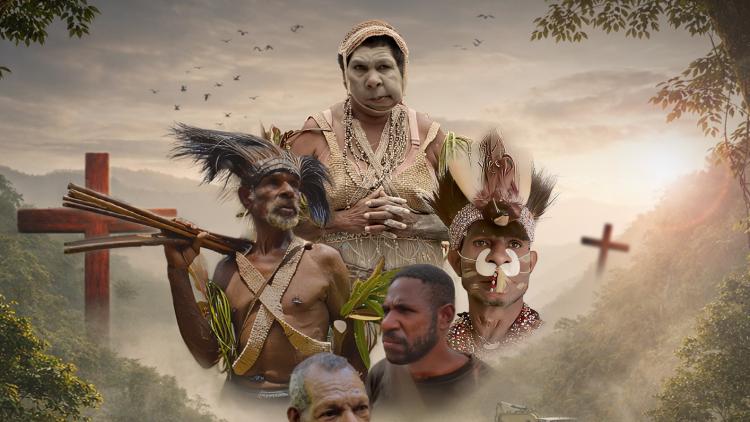
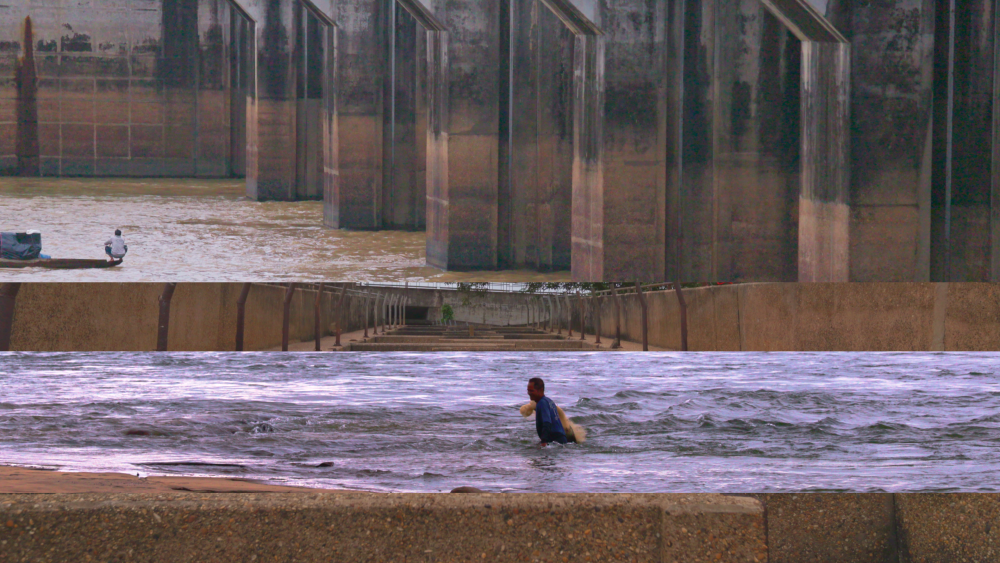
Image gallery: Images 1 and 2 “Mo num en ts”, courtesy of Som Supaparinya
Image gallery

About the speakers
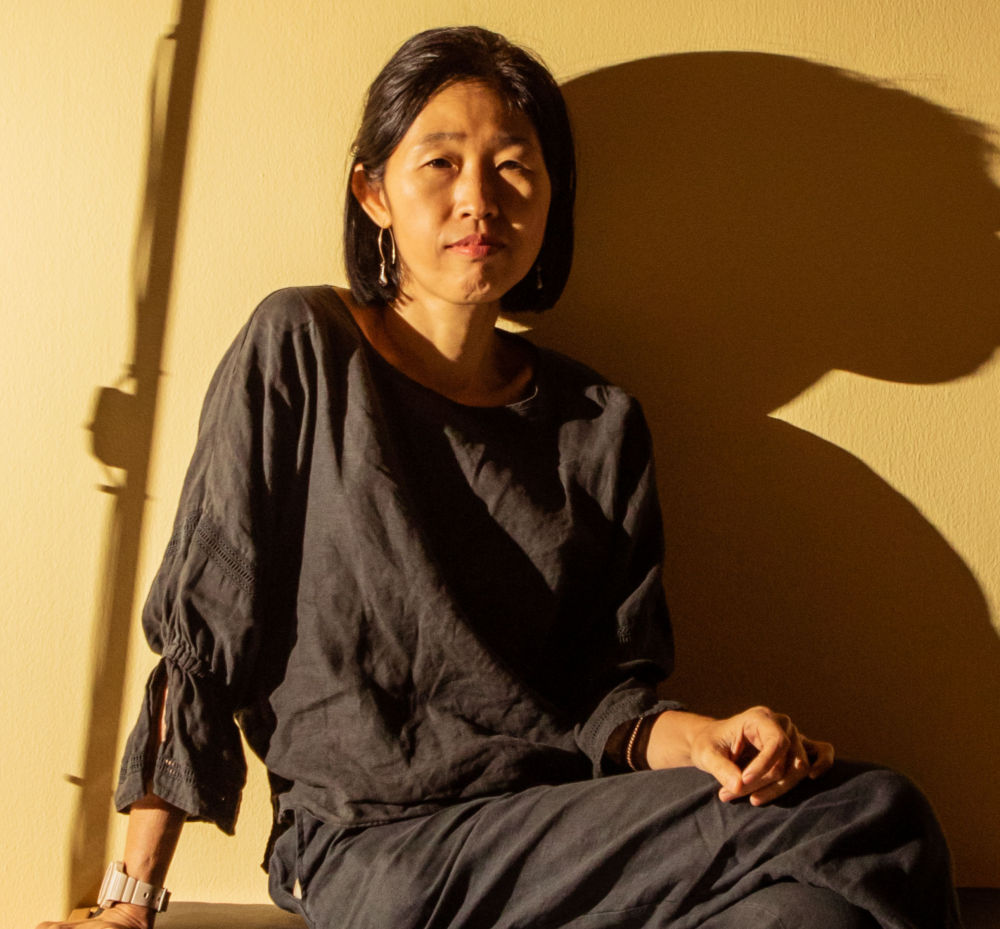
Som Supaparinya
A native of Lamphun, Som Supaparinya currently lives and works in Chiang Mai, Thailand. She studied Fine Arts at Chiang Mai University and later pursued studies in Media Arts at Hochschule für Grafik und Buchkunst Leipzig in Germany. From 2005-2006, she received the Imaging Our Mekong Fellowship, which allowed her to learn about transboundary stories related to the Mekong River and connect her with a network of journalists and documentary filmmakers in the region. She was also among the first recipients of the Mekong Cultural Hub Fellowship, further strengthening the region's arts and culture network.
With a long-standing interest in geography, she observes and creates video arts and documentaries in Thailand, Myanmar, Laos, Cambodia, New Zealand, Japan and Vietnam. Her interest is also linked to landscape changes resulting from large-scale infrastructure projects and the influence of war. As a visual artist, she conducts intensive fieldwork, researching documents and available media. She hopes her artwork will help shed light on the blurred structures we face.
As the founder of Chiang Mai Art Conversation, she previously directed the Asian Culture Station (ACS), co-organizing projects with the Japan Foundation Asia Center in Tokyo, Japan. With the aim of focusing on cultural exchange and collaboration between professionals from Southeast Asia and Japan in the year 2016-2019,
Som received the Han Nefkens Foundation – Southeast Asian Video Art Production Grant 2024, resulting in her exhibition, "Mo num en ts," being on display at the Jim Thompson Art Center in Bangkok, Thailand until April 12. Upcoming exhibitions: Melted Stars (DAAD Gallerie, Germany, 2026), Museion, Italy, 2026, Kunsthal Charlottenborg, Denmark, and Hiroshima City Museum of Contemporary Art, Japan.
Learn more about her art practice at www.atelierorange.info
Dr Anoulak Kittikhoun
Dr Anoulak Kittikhoun is Adviser to the Minister of Agriculture and Environment of Laos. He is a visiting senior fellow and scholar at the Lee Kuan Yew School of Public Policy, National University of Singapore and ISEAS Yusof Ishak Institute. During his 25 years international career, Dr Anoulak served at the United Nations in New York and the Mekong River Commission, including as Chief Executive Officer from 2022-2025, in which he received “Outstanding CEO” recognition for the first time in MRC history. With a BA from the Australian National University and PhD from the City University of New York, Dr. Anoulak is co-author of River Basin Organisations in Water Diplomacy and Small Countries, Big Diplomacy. His next book, A Great Country is What Leaders Make of It: 5 Rules for Laos and Emerging Nations, will come out later in 2026.
Andrew Johnson
Andrew Alan Johnson received his PhD in cultural anthropology from Cornell University, where he had also been active in the Southeast Asia Program. His dissertation, later a book, Ghosts of the New City (U Hawaii Press, 2014) looked at the abandoned architecture of Chiang Mai in the wake of the Asian economic crisis, and stories of ghosts and displaced guardian spirits which in turn put to question notions of development and progress. His most recent book, Mekong Dreaming (Duke U Press, 2020) is an examination of hydropower and its downstream effects on the Mekong River in northeastern Thailand. He has also published extensively in Cultural Anthropology, Anthropological Quarterly, American Ethnologist, Ethnos, and others. He has held teaching positions at Princeton University, Yale-NUS College, Ashoka University, Mahidol University, and elsewhere around the world.
About the moderators
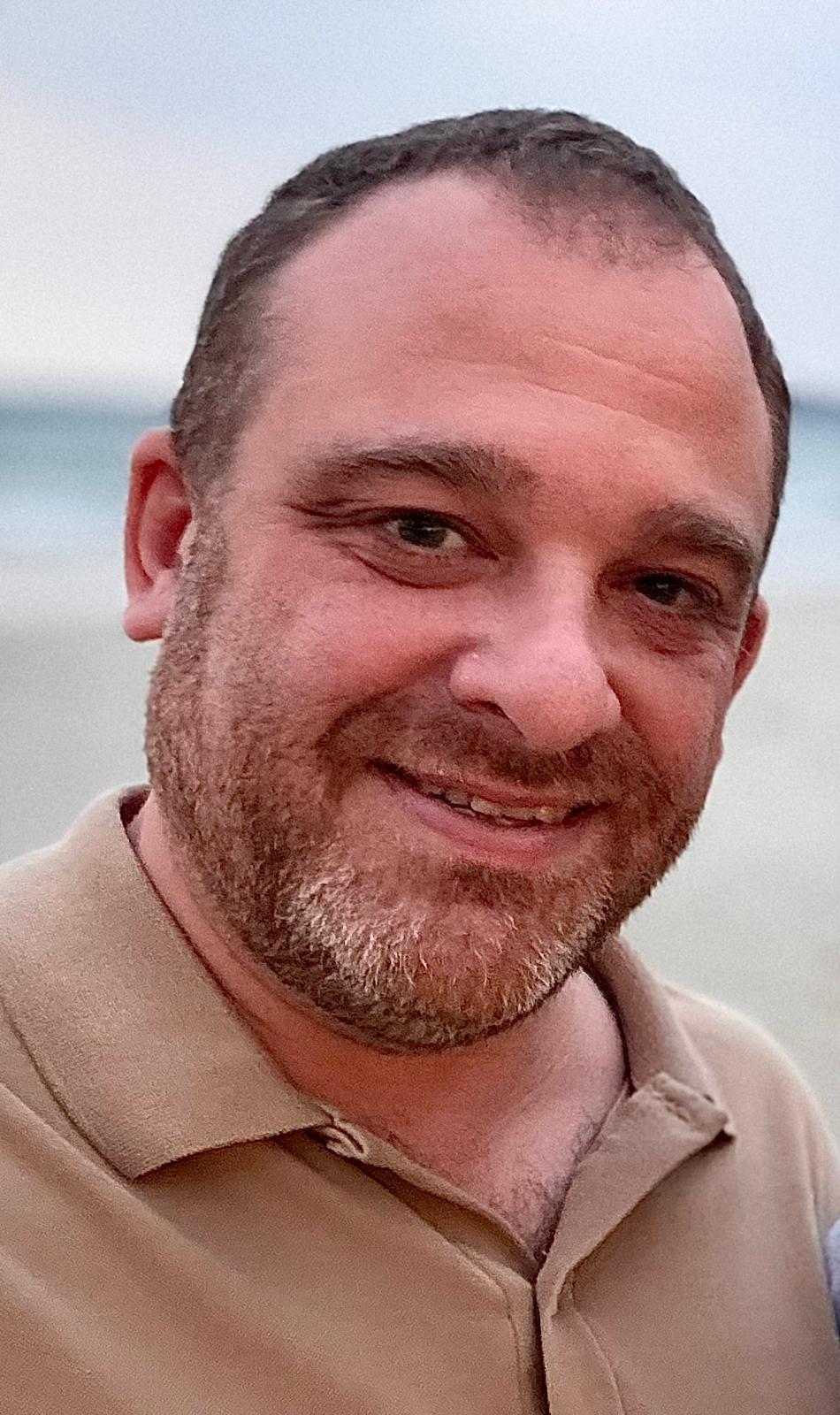
Shalini Amerasinghe Ganendra
Shalini Amerasinghe Ganendra is a Research Associate at the SOAS Centre of South East Asian Studies. She is a cultural strategist, curator, and scholar whose work bridges art, heritage, and intercultural dialogue. She has curated landmark exhibitions and authored publications that explore the interplay of tradition, modernity, and cultural resilience.
Her publication, Veins of Influence, developed and explored the inter-disciplinary consideration of early colonial photography offering an analytical tool that has wide applicability, including to the analysis of film. She has curated over 100 exhibitions and developed public programming with a view to supporting a culture of encounter curiosity and deeper understanding.
Matthew Phillips
Matthew Phillips is a Senior Research Analyst at the Foreign Commonwealth and Development Office (FCDO) where he provides analysis on Thailand, Myanmar, Cambodia, Lao PDR, Vietnam and ASEAN.
After gaining his PhD from SOAS in 2013, he was lecturer in Modern Asian History at Aberystwyth University, Wales. He has published widely on Thai history and politics, and contributed to media including The New York Times and the BBC.
He currently studies how Thai diplomacy in the Cold War drew from historic principles of Buddhist kingship.
Participants