-
Mughal Banaras: Forgotten Histories in a Troubled Present

Key information
- Date
- to
- Time
-
10:30 am to 5:00 pm
- Venue
- SOAS Gallery
- Room
- Front ground floor exhibition space
- Event type
- Exhibition & Event highlights
About this event
Banaras, or Varanasi, in north India, is widely known as a Hindu pilgrimage city where devout pilgrims aspire to visit its temples or be cremated on the famous stepped terraces, or ghats, beside the river Ganges.
This photography exhibition looks beyond this dominant perception, drawing attention to the city’s diverse communities and their profound role in shaping its rich history and urban heritage over the centuries, which are often overlooked in more familiar representations of the city.
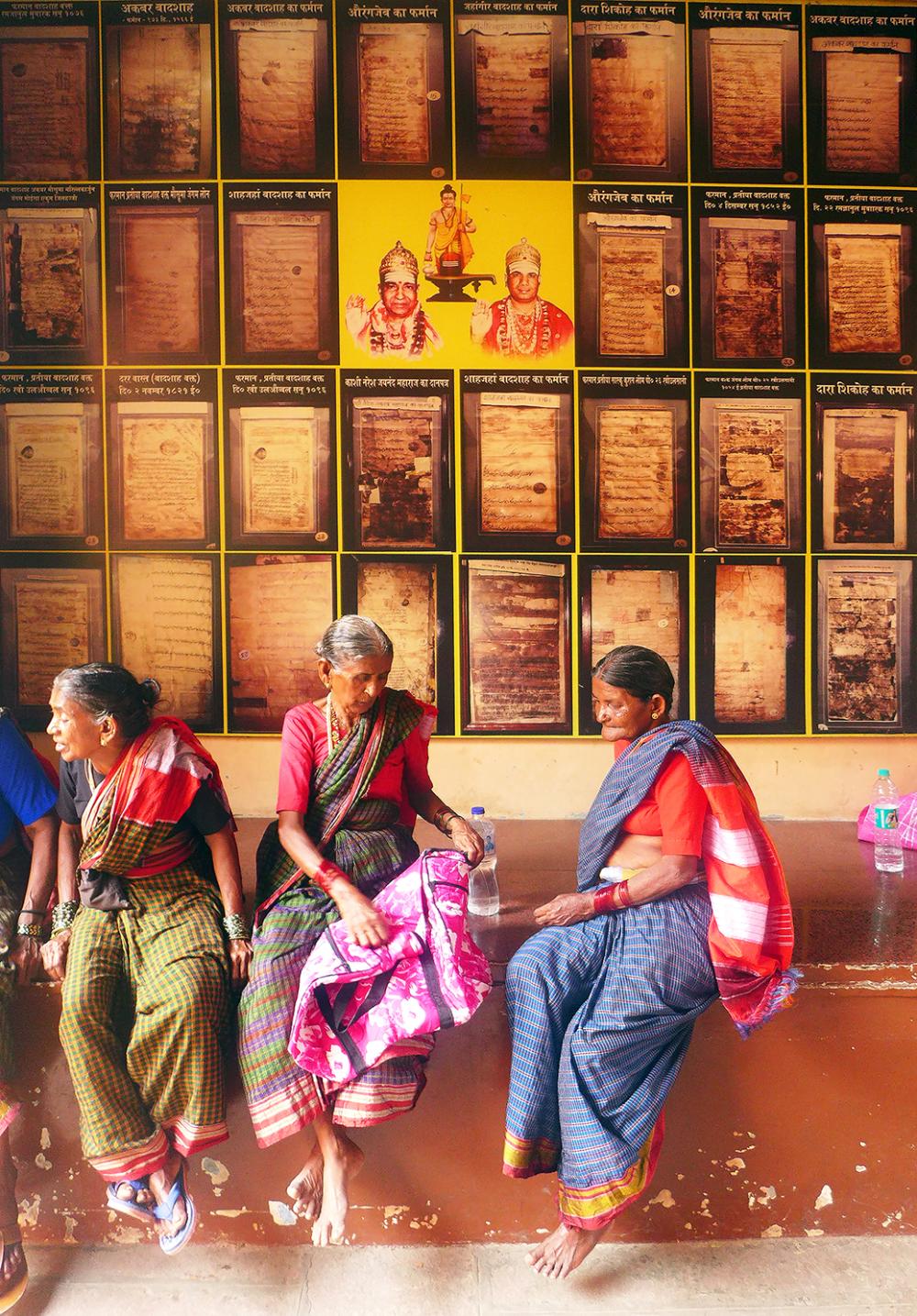
This exhibition throws light on Banaras’s rich Mughal past and present by going beyond the riverfront into the hidden lanes, neighbourhoods and sites associated with the ‘later’ Mughals, in particular Crown Prince Jahandar Shah, son of Emperor Shah Alam II. Jahandar Shah (1749–1788) was granted refuge in Banaras by the British, after fleeing courtly intrigues in Delhi. In 1788, he suddenly died and was buried in a place called Badshah Bagh.
His descendants continued living in the city, contributing to its vibrant cultural and religious life. They built neighbourhoods, imperial mosques, extensive pleasure gardens and cemeteries, patronised popular devotional sites including the resplendent Dargah-i-Fatman and the picturesque Chunar Dargah, and participated in festivals such as the spectacular Muharram procession.
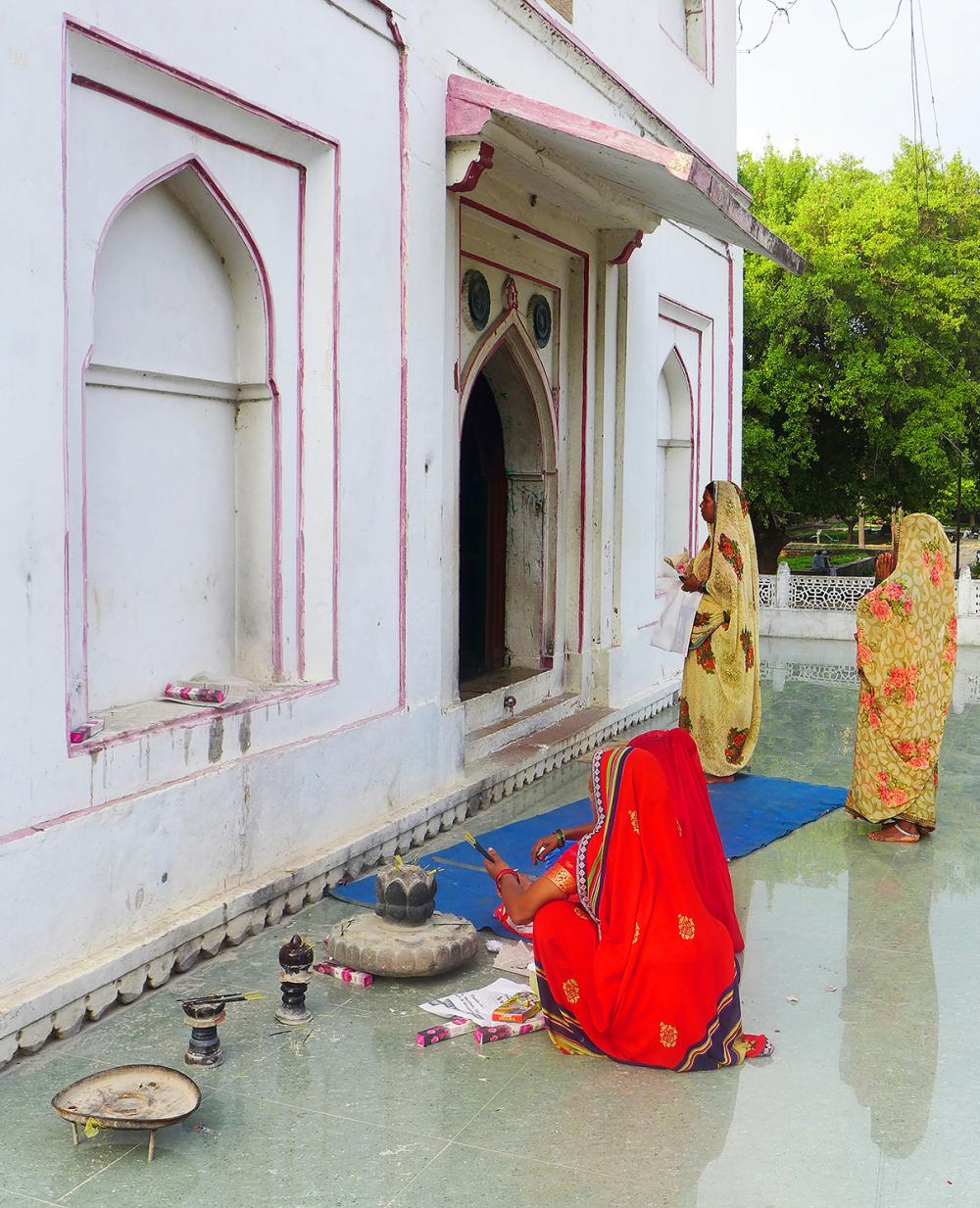
Without the protected status of early Mughal monuments, these sites remain marginalized and invisible in the public eye. Drawing on the collaboration between historian Malavika Kasturi and architect and photographer Jateen Lad, these photographs present everyday moments at these sites. Extensive archival research intertwined with religion, politics, architecture, urbanism and conservation highlight their enduring value and multiple fragilities.
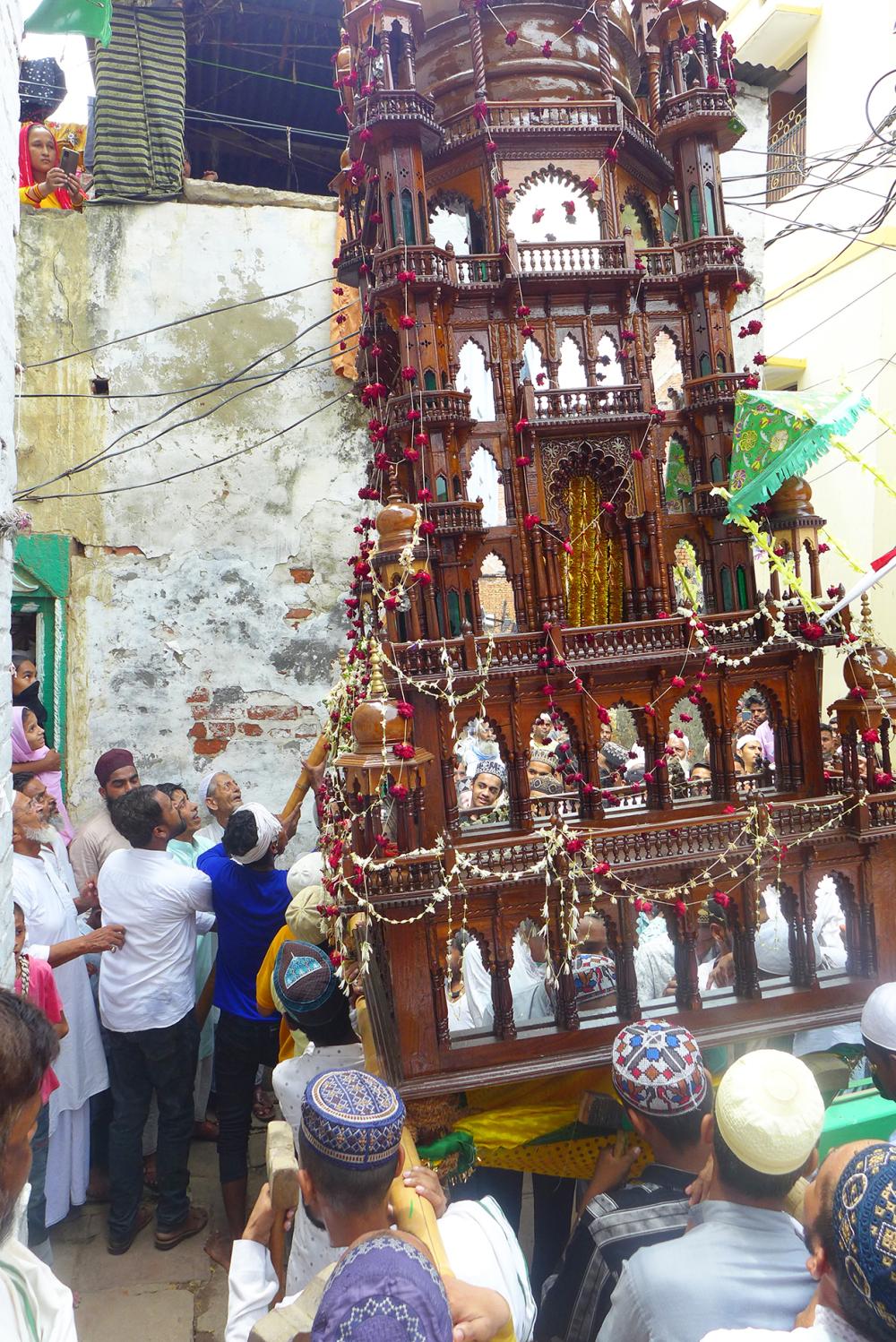
In today’s charged political environment, the Mughals are misrepresented in the public domain. Troubling arguments over contested claims and ever-present threats of demolition take aim at their built heritage. These photographs were taken in July 2023 and August 2024 during periods of heightened tensions in Banaras. Captured on mobile phones and compact cameras, they evoke a lingering atmosphere of unease and delicate uncertainty. In bringing together these sites of forgotten histories, this exhibition aims to further enrich understanding of the past and present of one of India’s most significant cities.
About the curators
Jateen Lad is an architect working on the frontlines of our ever-widening social, economic and spatial inequalities and the fragile environments they create. His multi-disciplinary practice was established in the aftermath of the 2004 Indian Ocean tsunami, in Pondicherry, India, and is now based in Manchester. His local and global projects seek to dignify and strengthen marginalised communities and are entirely built by local people, who he trains on-the-job, enhancing their skills, confidence and livelihoods. His award-winning buildings are described as 'a force for social change' and have been widely published and exhibited. For more information, visit Jateen Lad's personal website.
Malavika Kasturi is Associate Professor at the Department of History at the University of Toronto, Canada, where she teaches South Asian history. Her research focuses on Banaras’s urban history, public memory, the history of households, and the relationship between religion and Hindu nationalism on which she has published extensively. Since 2010, she has conducted extensive archival and ethnographic research in Banaras, on the history of the Mughal descendants of Crown Prince Jahandar Shah, from which this exhibition draws. Her next book is Mughal Banaras: Jahandar Shah, the ‘Later’ Mughals and Public Memory.