Re-contextualising colonial conflicts: first Anglo-Burmese War from the Konbaung perspective

Key information
- Date
- Time
-
5:30 pm to 7:00 pm
- Venue
- Russell Square: College Buildings
- Room
- RB01
- Event type
- Seminar
About this event
Colonial wars are often difficult to analyse because they sit uncomfortably between competing national narratives.
They tend to be treated either as episodes in the military history of empire or as moments of national trauma within postcolonial historiography. This seminar argues that such framings obscure a crucial dimension of colonial conflict: the political calculations, institutional constraints, and leadership dynamics that shaped decision-making at the time.
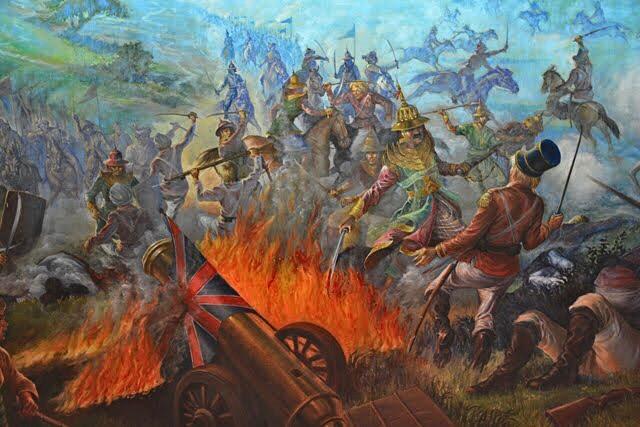
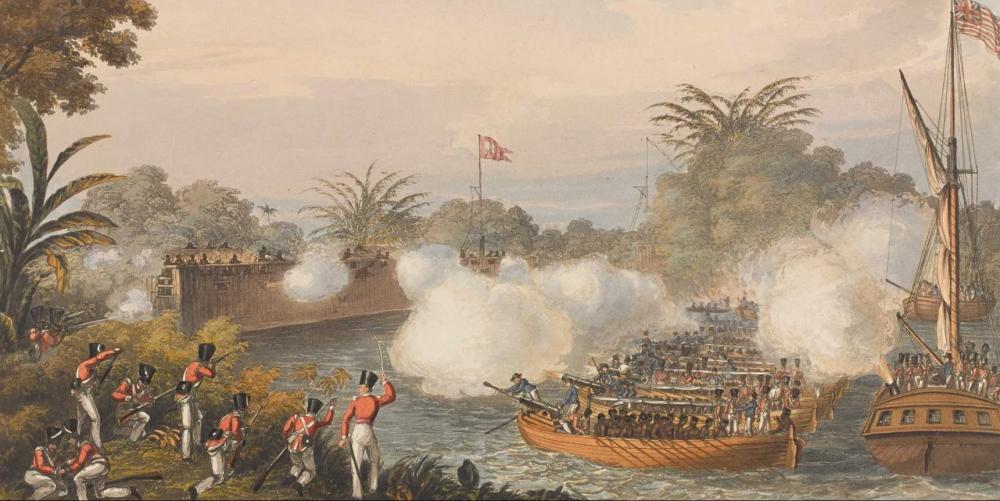
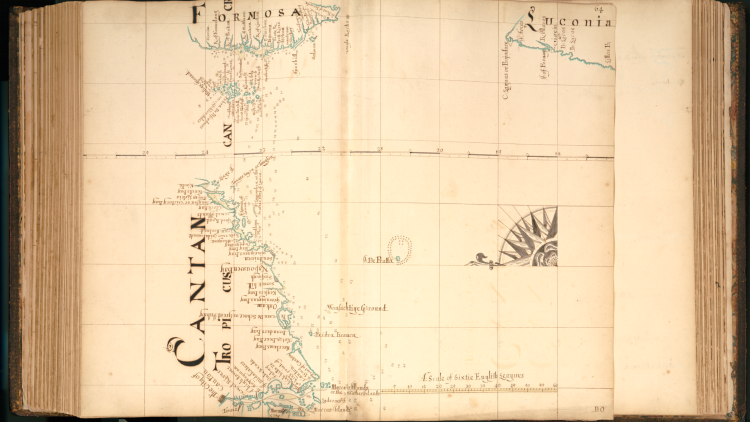
Using the First Anglo-Burmese War (1824 to 1826) as a case study, the seminar re-examines the conflict through the lens of contemporary governance and regional politics. British accounts have typically centred the imperial metropole, paying limited attention to the East India Company state in India and the ways its relationships with London, neighbouring polities, and internal administrative pressures shaped strategic choices. Burmese accounts, by contrast, often cast the war as a civilisational rupture marking the end of a pre-colonial order, offering little sustained analysis of court politics, royal authority, or how Burmese elites understood the unfolding conflict.
By placing these perspectives in dialogue, the seminar shows how colonial wars were produced through intersecting political worlds rather than unilateral imperial ambition or inevitable national decline. More broadly, it reflects on how historical events are reinterpreted over time, and how shifting political contexts continue to shape what is remembered, emphasised, or silenced in the histories of colonial violence.
Registration
This event free, open to the public, and held in-person only.
Organiser
Organised by the SOAS Centre of South East Asian Studies.
South East Asian Studies Seminar Series
This semester’s theme foregrounds how communities across Southeast Asia have sought to live, believe, and flourish through the practices of everyday life. From ritual and governance to kinship and sport, the seminars explore how ordinary practices are imagined and enacted across different times and places. The series brings historical and ethnographic perspectives into conversation to illuminate the ethical, political, and creative dimensions of daily life in the region.
Contact
About the speaker
"Arthur" Swan Ye Tun is a PhD Student in the King's College London and the National University of Singapore's Joint-PhD Program. While initially focusing on Strategy, Intelligence and Civil-Military Relations, he had shifted to studying the First Anglo-Burmese War 1824-1826 for his PhD, seeking to use it to answer some of the strategic and underlying social issues in modern Myanmar.
Image gallery