Livestreaming as resistance: Risks and ethics of reporting genocide


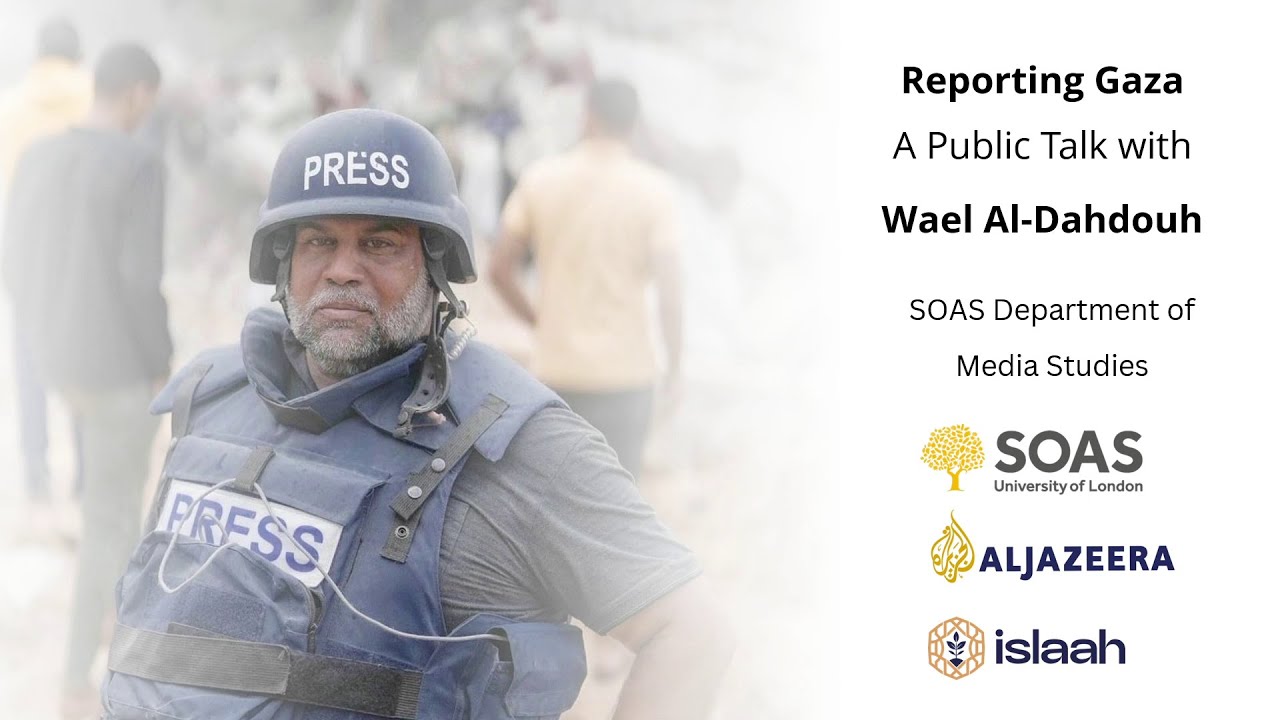
The Department of Media Studies, Al-Jazeera Media Network, and SOAS student society Islaah Collective hosted a conversation between Wael al-Dahdouh, former Al-Jazeera Bureau Chief in Gaza and SOAS academics Dr Dounia Mahlouly and Dr Loreley Hahn-Herrera. This blog by Professor Dina Matar, Mahlouly and Hahn-Herrera compiles key reflections of the discussion.
The ongoing genocide in Gaza has not only resulted in devastating human loss but has also reshaped the boundaries and responsibilities of journalism. For Palestinian journalists, reporting is not simply a profession - it is an act of survival, remembrance, and resistance against erasure. The livestreaming of atrocities has made bearing witness immediate and visceral, collapsing the distance between events on the ground and global audiences. Yet, this immediacy brings with it profound risks and ethical questions.
Journalism beyond impartiality
In contexts of genocide, traditional expectations of journalistic impartiality come under strain. Neutrality risks becoming complicity when systematic killing is taking place. To remain “objective” in the face of the deliberate targeting of civilians raises difficult questions: Can impartiality itself become unethical? What is the cost of passive, distanced observation while crimes against humanity unfold?
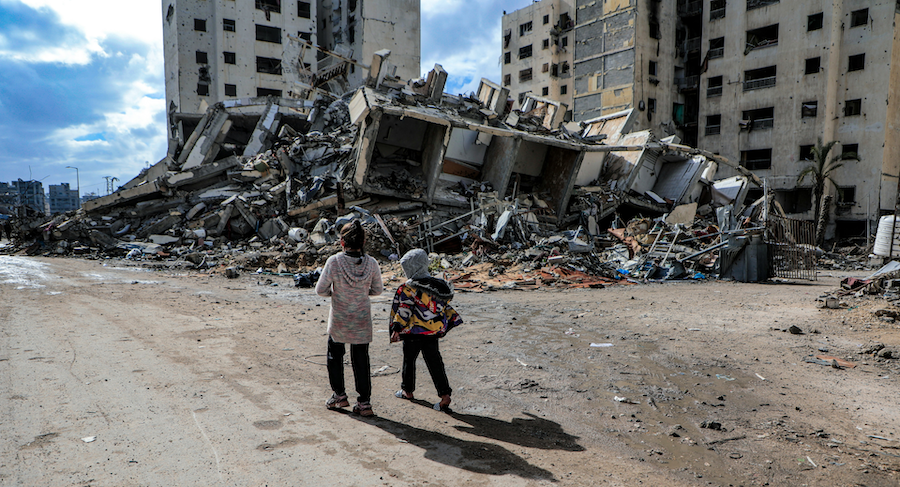
The role of the journalist here is not only to document but also to appeal to collective humanity, forcing audiences to move beyond consumption of information toward recognition of responsibility.
The deadliest place for journalists
According to Reporters Sans Frontières, approximately 148 journalists have been killed in Gaza since October 7, 2023. Al-Jazeera’s independent figures place the number even higher, at 278. These were not international correspondents flown in for conflict coverage; they were overwhelmingly Palestinian journalists and media workers - those living and dying on the battlefield, providing the only unfiltered window into events as Israel has barred entry to foreign press.
Palestinian journalists continue to livestream the reality of genocide in real time. This act of reporting is not simply professional duty - it is existential resistance.
International law protects journalists as civilians, but reports from the Committee to Protect Journalists (CPJ) describe Israel’s campaign as “the deadliest and most deliberate effort to kill and silence journalists that CPJ has ever documented.” Journalists are not only being killed but also smeared posthumously as Hamas operatives, arbitrarily detained, and tortured—all tactics aimed at silencing witnesses and controlling the narrative.
A longstanding strategy of silencing
The targeting of Palestinian journalists is not new. The killing of Shireen Abu Akleh in 2022 - shot while clearly marked as press - was widely condemned as a cold-blooded assassination. The silencing of Palestinian knowledge producers, whether journalists, writers, or intellectuals, stretches back decades. The 1972 assassination of Ghassan Kanafani by Israeli Mossad is one among many examples. This strategy of epistemic violence seeks to erase Palestinian testimony and replace it with narratives sanctioned by power.
Livestreaming as resistance
In spite of immense danger, Palestinian journalists continue to livestream the reality of genocide in real time. This act of reporting is not simply professional duty - it is existential resistance. By documenting, sharing, and bearing witness, they counter efforts to erase Palestinian lives and experiences from historical record.
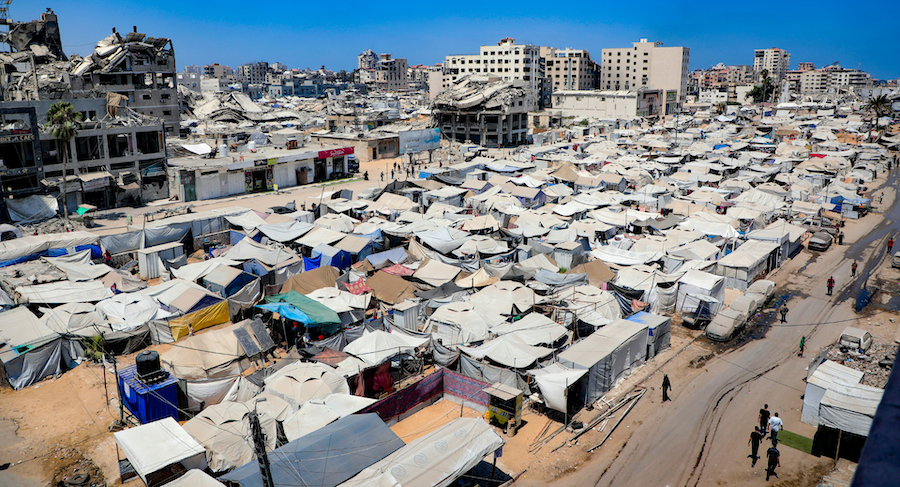
Their work forces the world to confront uncomfortable truths: not only about the crimes being committed but also about the ethical obligations of audiences. Viewers are no longer passive observers; they are witnesses. The question is whether they will act on what they see.
Shared responsibility
The risks and ethics of livestreaming genocide cannot be confined to debates about journalistic practice. They implicate us all. The courage and sacrifice of Palestinian journalists compel recognition of our shared responsibility to resist silencing and to challenge knowledge systems that normalise exclusion and denial.
In this context, journalism becomes more than reporting - it becomes an urgent appeal to humanity, demanding that the world not only watch but also respond.
Reporting Gaza: A public talk with Wael Al Dahdouh
Wael al-Dahdouh’s journalistic integrity, courage, and sacrifice compel us to confront this reality, urging us to reflect on our shared responsibility and to recognise our potential agency - beyond the institutional limits of journalism as a profession and practice. Watch the full talk:
At the Department of Media Studies at SOAS, we problematise media production and consumption and critically address the different and creative practices marginalised and colonised people use to resist their silencing, particularly through digital media platforms. We are wary, as other critical scholars are, of Western-centric and supported knowledge that denies rights and that persists in policies and politics of exclusion.
The views and opinions expressed in SOAS Blogs are solely those of the respective authors and do not necessarily reflect the views of the organisation or act as an endorsement.