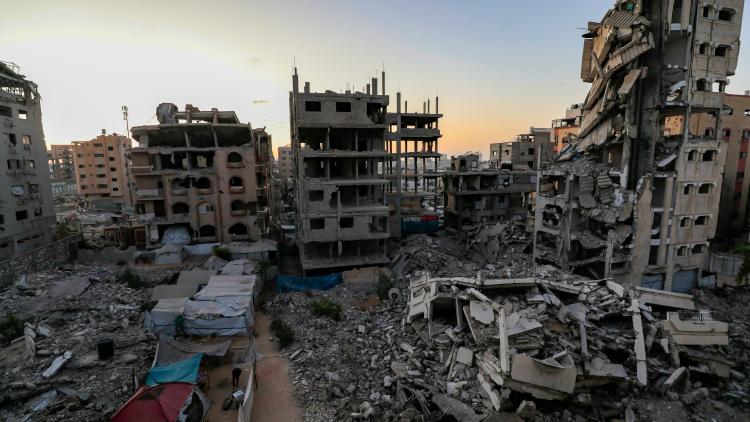
Department of Media Studies

You are viewing:
About

About the Department of Media Studies
The Department of Media Studies at SOAS University of London offers postgraduate and research degrees in global media and digital communications, studied from a non-Western perspective with a particular focus on Asia, Africa, and the Middle East.
The department is a 50-plus-strong interdisciplinary space for research and teaching that addresses the entanglement of media in all its forms and genres in lives, politics, development, society, culture, war and social justice, offering distinctive doctoral supervision and support for innovative, groundbreaking and socially engaged research.
What is Media Studies at SOAS?
Media studies examines how mass media and digital communications shape, and are shaped by, politics, culture, social practices and the everyday.
At SOAS, Media Studies explores truly global media and digital communications from non-Western and decolonial perspectives, examining how people engage with media and how systems and practices in different spaces operate across Africa, Asia and the Middle East.
Media rankings and recognition
Top 20 in the UK for Communication and Media
QS World University Rankings by Subject 2026
7th in the UK for Academic Reputation
For Communication and Media – QS World University Rankings by Subject 2026
Joint 1st in UK for International Faculty
QS World University Rankings 2027
Meet the academics
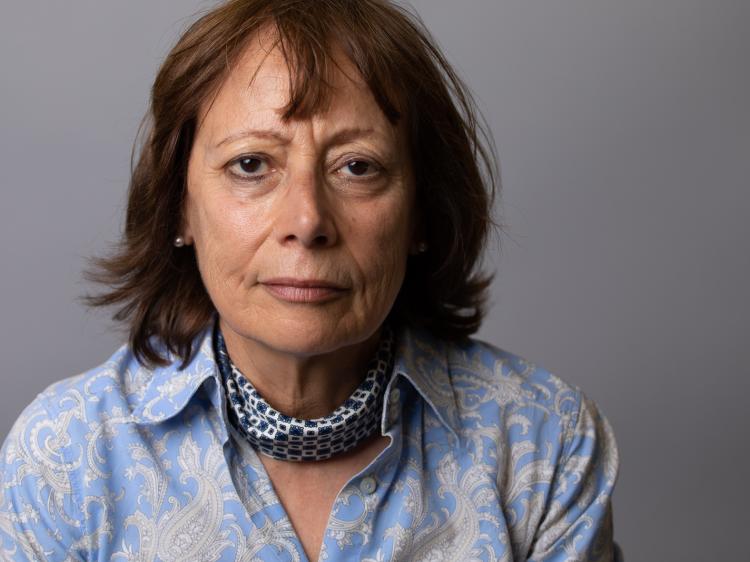
"The department offers a unique non-Western approach to studying global media and digital communication. We cover a variety of contemporary debates while interrogating the role of media and digital communications in everyday experiences."
Why study at the Department of Media Studies?
Ranked among the UK's best for Media Studies
SOAS is ranked in the top 20 in the UK for Communication and Media Studies, and 7th in the UK for Academic Reputation in the subject (QS World University Rankings 2026).
Study media from a non-Western perspective
Explore political communication, journalism, digital media, mass media, visual cultures and communication through the politics and societies of Africa, Asia and the Middle East.
Learn in central London
Study in a city that is home to major news organisations, international broadcasters, film festivals, Strong research impact
SOAS’s research in Media and Film
i ranked in the top 20 in the UK in the Research Excellence Framework (REF) 2021, with more than a third of research publications assessed as 4* (world-leading).
Exceptional academic resources
Students have access to more than 3.3 million books, journals, archives and specialist resources through the SOAS Library, as well as a free membership to Senate House Library.
What will you study at the SOAS Department of Media Studies?
Teaching is informed by practice-led research of global media, political communication, journalism and digital communications, and how they shape politics, culture and social change around the world. Key areas of expertise include:
- Decolonisation: non-Eurocentric approaches to media, knowledge production and social transformation
- Everyday life: how media in its various forms shape culture, identity and daily experience
- Politics: the relationship between communication and politics, power and resistance
- Development: media and communication for development and social justice
- Conflict: media in contexts of war and crisis
Students engage with global and digital transformations, journalism, digital platforms and political communication through perspectives that challenge conventional Western-centred approaches to media studies.
Where do SOAS Media Studies graduates work?
Graduates of media programmes at SOAS have gone on to work across the media sector, PR, communications, government, education, and NGOs, with alumni going on to roles including Field Communications Officer at Merlin, Africa Editor at Index on Censorship, Regional Correspondent at Interpress News, and journalist and broadcaster at the BBC. Many graduates go on to careers in journalism, following pathways developed in partnership with the Institute for Journalism and Social Change.
Graduates develop strong communication, research, intercultural and digital media skills that are highly respected by employers, alongside major independent projects that demonstrate expertise in global media and digital communications.