Why I chose: MA Global Media and Digital Communications at SOAS


MA student Lilato Madiri shares why studying media through a critical, decolonial lens is vital in an era defined by digital disruption, misinformation, and contested power.
Since 2017, I have been working in community management, building digital networks and nurturing spaces for brands across various industries - engaging people at the intersection of culture, communication, activism, and commercialisation. This involvement gave me first-hand experience of how digital media and online communities were reimagining the structures of voice, visibility, and power.
I didn't want to study media through a Western lens, so it was a clear yes to SOAS.
I returned to academia because I truly believed we were experiencing a turning point - the West was finally waking up to the realities that the global majority and its diaspora have long known. That kind of collective rupture, particularly the heartbreak of 2020 and the Black Lives Matter movement, created a sense of urgency.
If I were going back to study, it had to be at one place and one place only. I didn't want to study media through a Western lens, so it was a clear yes to SOAS and the MA in Global Media and Digital Communications course.
Why studying media matters now more than ever
We're in a media moment like no other. TikTok, clickbait headlines, AI-generated misinformation, "bros" with podcasts, Patreon, streaming: everything is contested, and everything is up for grabs.
Media power and resistance have always intertwined. Look at who gets silenced and who gets platformed, and you'll understand a society's politics. If the media is censored, so is dissent. If the media is open, so is the path to liberation.
We are living through a profound media shift - one that is not only technological but also ideological, emotional, and political. The stories we tell, the platforms we use, and the voices we hear (or don't hear) are all up for negotiation. In such a moment, studying media isn't just relevant - it's essential.
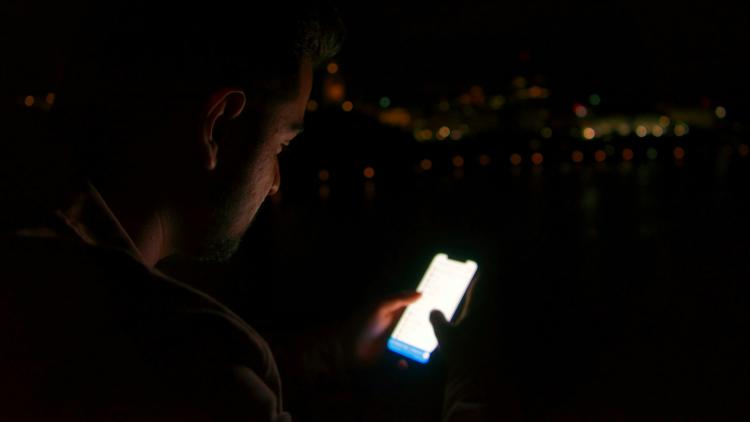
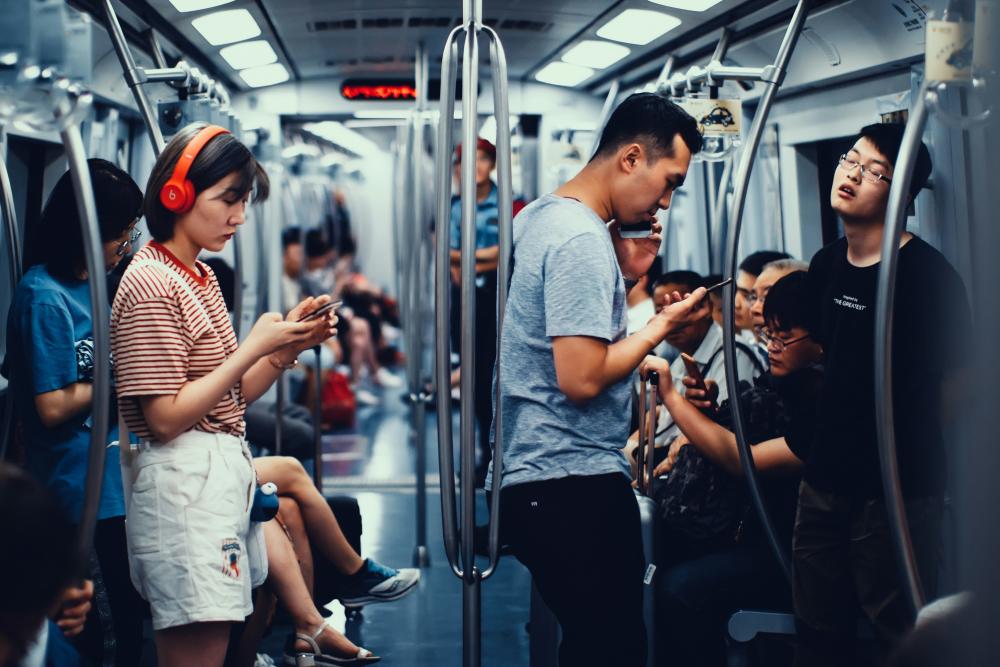
Today, the vast majority of people access news through social media platforms. TikTok, Instagram Reels, and short-form videos are overtaking traditional outlets in reach, particularly among younger generations. But this shift isn't just about format. It marks a deep change in how people encounter truth, how attention is engineered, and how narratives are manipulated.
We're not just reading the news; we're swiping past it. We're laughing, crying, and scrolling through global crises without time to pause.
What used to be the domain of media professionals, fact-checking, source evaluation, and long-form analysis, is now interwoven with entertainment, algorithms, and virality. We're not just reading the news; we're swiping past it. We're laughing, crying, and scrolling through global crises without time to pause. And increasingly, even traditional outlets are adapting to these logics, employing clickbait headlines, meme aesthetics, and reactive content to stay visible.
Meanwhile, AI has introduced an even more insidious complication: what happens when you can't trust that what you're seeing even happened? With deepfakes, manipulated clips, and AI-generated "news," the boundaries between real and fabricated are blurred. Context collapses. Memory becomes malleable. And in this state of confusion, disinformation flourishes
Studying media is about understanding power
This is why media literacy must become a priority - not just in universities, but in everyday life. We need critical media education that teaches not just how to use media but also why it matters who creates it, who funds it, and who benefits from its circulation.
As a media student, especially one grounded in decolonial perspectives, I've come to see that power operates not only through what we are allowed to see, but through the frameworks we are taught to interpret these frameworks. In a digital world moving at relentless speed, memory is at risk. And when memory fades, so does accountability. The danger isn't just forgetting the past - it's letting someone else rewrite it.
Censorship, silencing, and propaganda are not just things that happen "elsewhere." They're baked into the architecture of media itself.
Studying media through a critical lens helped me understand that censorship, silencing, and propaganda are not just things that happen "elsewhere." They're baked into the architecture of media itself - into what gets funded, whose stories get algorithmically boosted, and whose pain gets turned into content. If media reflects a society's politics, then a society with restrictive, polarised, or manipulated media is likely experiencing the same at a governmental level. Media doesn't just reflect the state - it often prefigures it.
There are so many accessible courses on how to go viral or how to profit from being online, but very few about how to understand media systems themselves. That's why studying media now is about more than understanding content creation or communication strategies. It's about understanding how power works. It's about who gets to shape the collective memory of this moment, and how we resist attempts to erase, distort, or silence it.
If I had to describe my year at SOAS in one word?
Unfurling: a slow, radical untethering into something freer.
Header image credit: Camilo Jimenez via Unsplash
About the author
Lilato Madiri is pursuing an MA in Global Media and Digital Communications at SOAS. Zimbabwean born, raised and based in the UK, she is passionate about diasporic media, decolonial storytelling, and digital community-building.
Outside of her studies, she is a Freelance Community Manager, and building NHAKA - a new-gen beauty space rooted in heritage and culture.