Reading with Pride: Celebrating LGBTQ+ books in the SOAS Library


Celebrate Pride Month with SOAS Library as we spotlight three LGBTQ+ books that have faced censorship and tell stories of resilience, resistance, and queer expression from Asia, Africa, and the Middle East.
Pride Month is a wonderful opportunity to celebrate the diversity and brilliance of LGBTQ+ literature in the SOAS library! At SOAS we’re proud of the vibrant spectrum of queer fiction and non-fiction on our shelves, and we want to spotlight stories that inspire and challenge ways of thinking.
While Pride is a time for celebration, it’s also a moment to reflect on the resilience of LGBTQ+ authors whose writing has faced silencing and censorship. Historically, books with queer narratives have often been pushed to the margins, and this continues in various socio-political contexts around the world today. However, at SOAS Library we’re committed to upholding freedom of expression and representation to make queer voices heard.
Three books, three voices
SOAS Library is home to one of the UK’s most significant research-level social science collections, with a strength in Gender Studies resources. We’ve been building a rich library of materials that explore sexualities, identity, and gender expression – especially from Asia, Africa and the Middle East.
This Pride month, we’re highlighting three powerful works of LGBTQ+ fiction from our collection that have faced censorship in their home regions. We invite you to see these books as more than published stories – they are acts of creativity, bravery, and resistance.
A Chughtai collection

Originally published in 1942 in the Urdu journal Adab-i-Latif, “Lihaaf” ("The Quilt") is a trailblazing short story! Its lesbian themes and depiction of abuse led to an obscenity trial in the Lahore Court, but Chughtai stood her ground and won the case on the basis that the story is suggestive, not explicit. It's a reminder that literature can resist legal challenges to its creative expression.
For bread alone
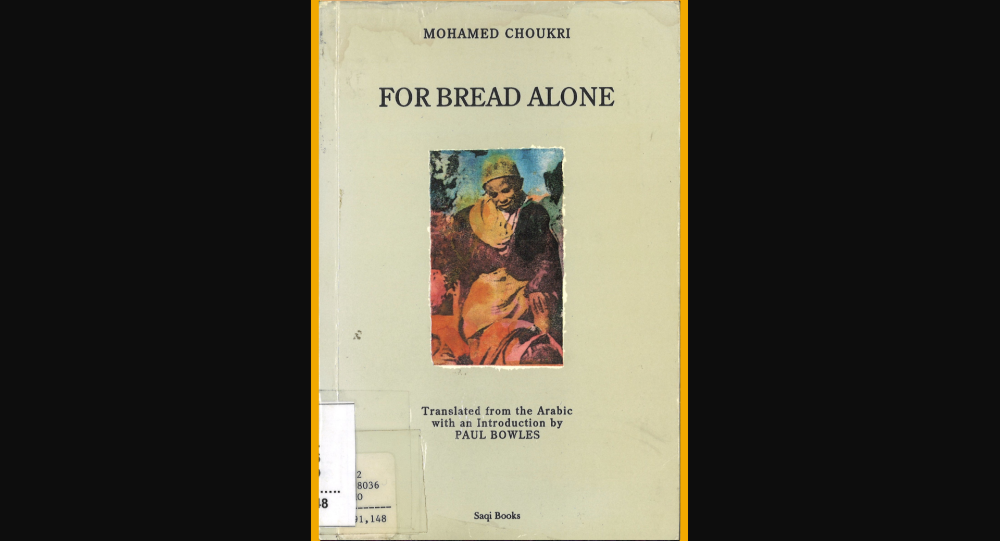
Choukri’s novel is a raw coming-of-age story, following a young man navigating survival and self-discovery in Morocco. When it was first published in Arabic, the book caused a stir and was banned in several countries for its controversial depictions of sex, drugs, and societal and familial critique. For bread alone continues to be banned in many Arab countries, but Choukri’s voice has not been silenced.
Shadow game
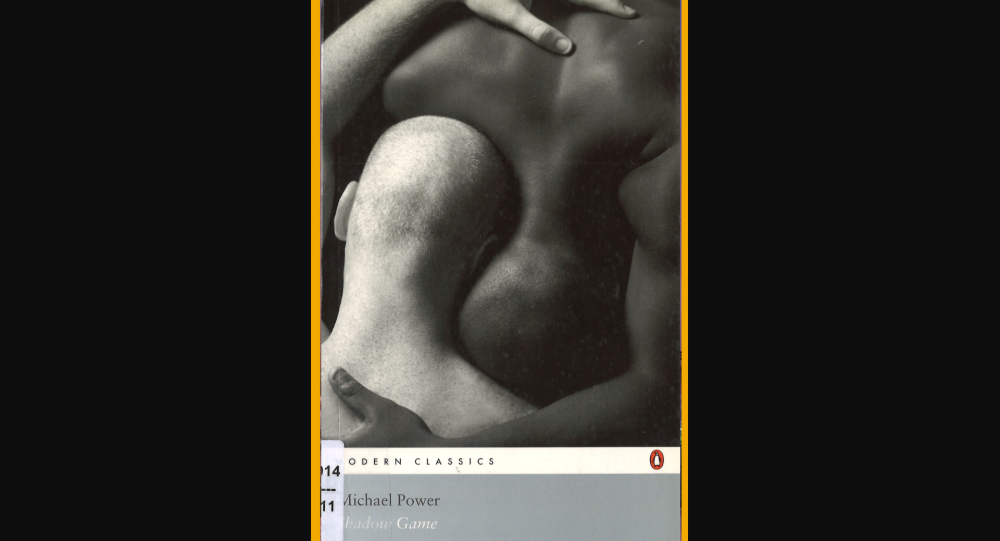
Set in apartheid-era Johannesburg, Shadow Game tells the story of a young white man falling in love with an older Black man. First published in 1972 under the pseudonym Laurence Eben, the novel was swiftly banned in South Africa for daring to explore themes of interracial love, homophobia, and state repression. Today, the book is no longer censored and is available under the author's real name, standing as a testament to queer love in the face of injustice.
Watch this space
The Library is collaborating with SOAS Queer Society on the curation of an upcoming book display that will be themed around the censorship of queer books and writers, with a focus on Africa, Asia and the Middle East. The display will invite audiences to consider the implications of LGBTQ+ book suppression and to reflect on the role of SOAS Library in collecting and exhibiting the works of marginalised voices. The display is scheduled to be on show in September and October 2025.
Discover Queer Non-Fiction at SOAS Library
Use the SOAS Library catalogue to search our collections. The bulk of the Gender Studies Collection (classmarks A305-A307) can be found on Level E. Works focusing on a specific country or region are shelved in the respective regional collection; they will have a different letter code to indicate this and are dispersed across the library. More information can be found in the Gender Studies LibGuide
Happy Pride from SOAS Library!
About the author
Naomi Hart is a Social Sciences Librarian (Law, Gender Studies, Global Media & Communications) at SOAS University of London.