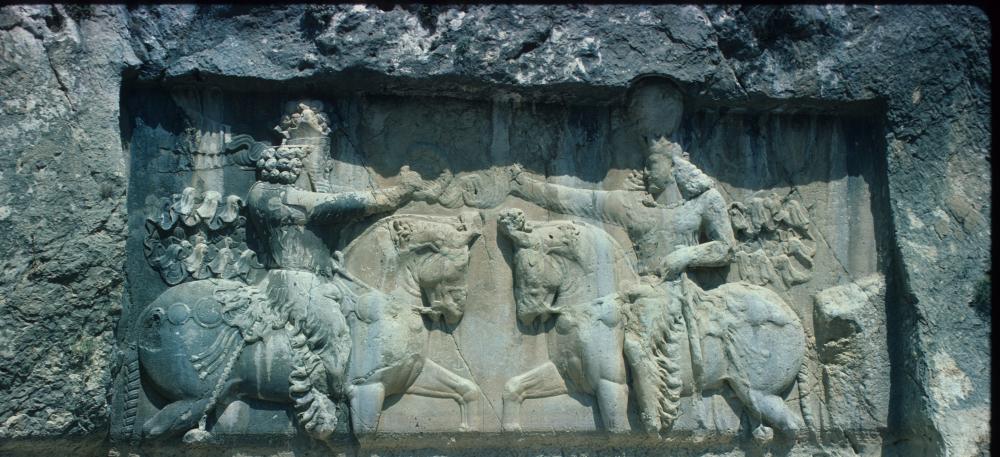
Birds, wings and diadems: Zoroastrian symbols in Parthian and Sasanian art
Key information
- Date
- Time
-
6:00 pm to 8:00 pm
- Venue
- SOAS Main Building
- Room
- Khalili Lecture Theatre (KLT)
- Event type
- Lecture
About this event
In Parthian and Sasanian art, the king received his empowerment from a higher authority (Ahuramazda) and divine beings who chose him as the legitimate ruler.
The king was, therefore, often shown receiving a diadem as a symbol of kingship, wearing a crown with divine symbols, or being protected by a bird of prey. This concept is reflected in some Zoroastrian scriptures dedicated to specific divine beings or yazatas associated with kingship.
This lecture and reception will explore the intricate relationship of kingship and religion in the art of Parthian and Sasanian Iran.
About the speaker
Vesta Sarkhosh Curtis
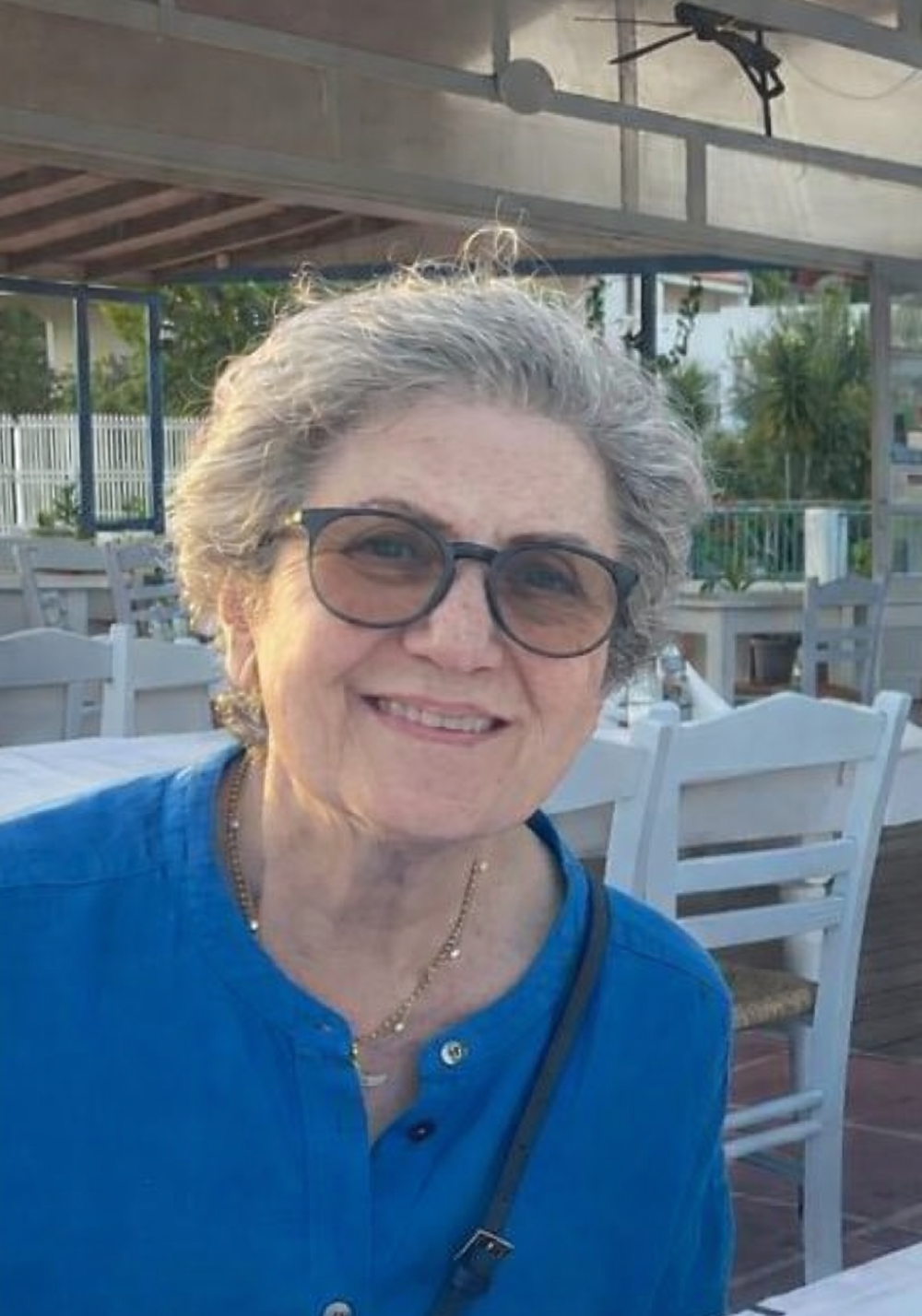
Vesta Sarkhosh Curtis is Curator Emerita of Middle Eastern Coins at the British Museum. She holds an MA in Near Eastern Archaeology and Ancient Iranian Languages from the University of Göttingen and a PhD from UCL on Parthian art. She has served in major scholarly leadership roles, including President of the British Institute of Persian Studies (2006–2011).
Curtis is Joint Director and Editor of the International Parthian Coin Project and Senior Advisor at the SOAS Shapoorji Pallonji Institute of Zoroastrian Studies. Her publications include major catalogues and monographs on Parthian and Sasanian coinage and Iranian culture. She has contributed to landmark exhibitions on Iran in London, Tehran, the US, and India. Her research focuses on pre-Islamic Iranian and Mesopotamian art, coinage, and royal and religious iconography.
Sassanian art