How economic reform revived totalitarian rule in China

Key information
- Date
- Time
-
5:00 pm to 6:30 pm
- Venue
- Online via MS Teams
- Event type
- Webinar
About this event
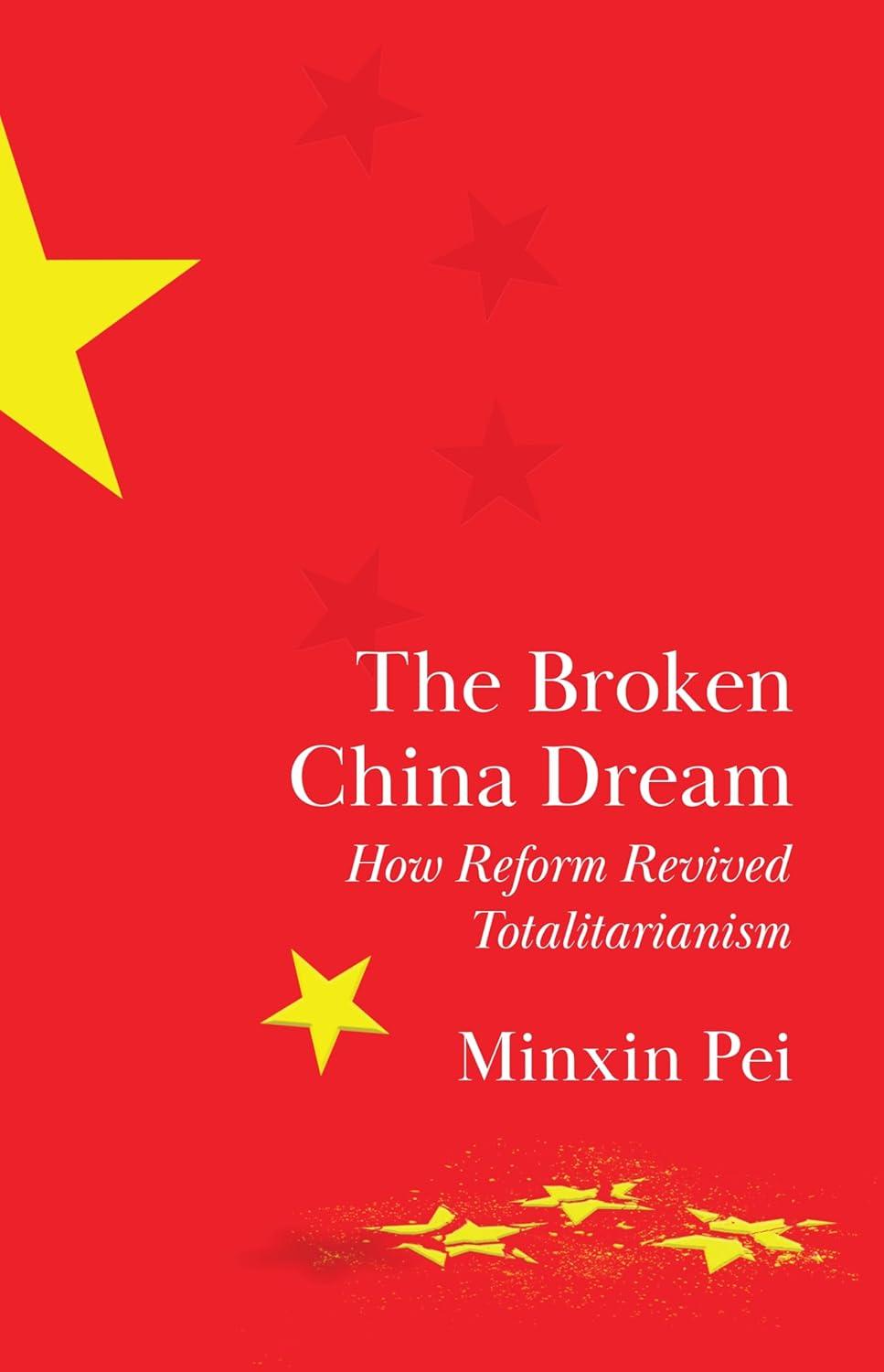
Professor Minxin Pei will talk about his latest book The Broken China Dream: How Reform Revived Totalitarianism.
When China embarked on modernisation in 1979, many hoped that the country’s turn toward capitalism would put its totalitarian past to rest and moved it toward a more democratic future. Instead, China has reverted to a neo-totalitarian regime after more than four decades of economic reform and globalization. The fundamental cause is Deng Xiaoping’s strategy of saving one-party rule with capitalism.
He steadfastly kept intact the institutional foundations of totalitarianism even as he unleashed private entrepreneurship and courted foreign investment. Only a fragile balance of power among dueling factions prevented the rise of a totalitarian leader after Deng’s death in 1997. But this temporary equilibrium collapsed when Xi Jinping rose to power in late 2012 — and revived many totalitarian practices that are likely to set China back decades politically, economically, and geopolitically.
Event recording

Registration
This event is free to attend, but registration is required. This event will be held as a webinar via MS Teams. You will need to join using the MS Teams App, as it will not work via a web browser.
Organiser
About the speaker
Minxin Pei is the Tom and Margot Pritzker '72 Professor of Government at Claremont McKenna College and the editor of China Leadership Monitor. His most recent book is The Broken China Dream: How Reform Revived Totalitarianism. He held the inaugural Library of Congress Chair on US-China Relations in 2019 and has published many opinion pieces and columns in the FT, Bloomberg, The New York Times, Project Syndicate, Nikkei Asian Review, and other outlets.
Chair
This event will be chaired by Professor Steve Tsang (Director, SOAS China Institute).
Contact
Email: sci@soas.ac.uk
Image credit: Road Trip with Raj on Unsplash
Book cover