Department of Politics and International Studies
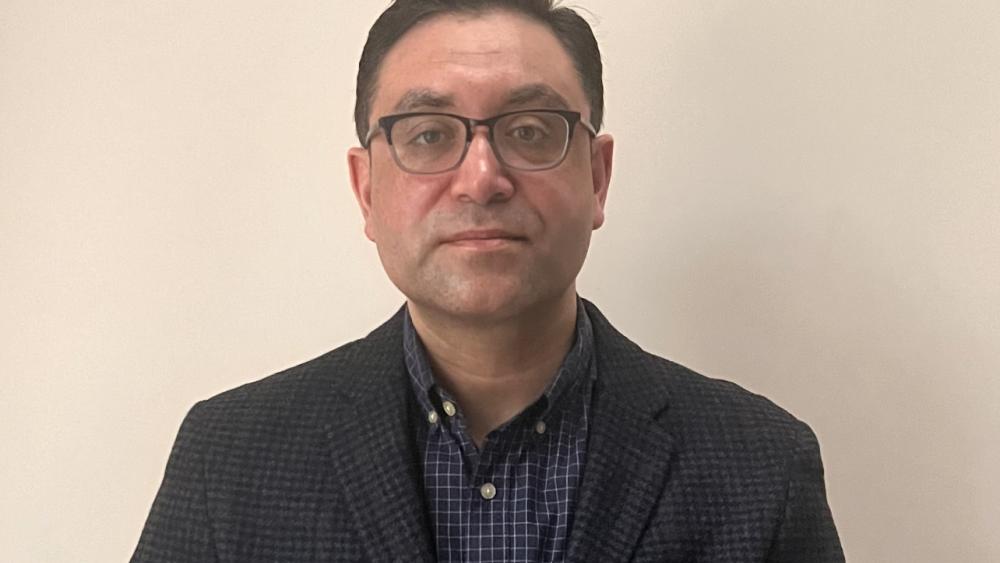
Farid Mamundzay
You are viewing:
Key information

Key information
- Qualifications
-
MSc from the University of Birmingham
BA (Hons) from Coventry University - Email address
- 734149@soas.ac.uk
- Thesis title
- From Emirs to Insurgents and Back Again: Taliban Identity and Cycles of Governance Failure (1979–2025)
- Internal Supervisors
- Professor Matthew J Nelson & Dr Tessa Devereaux
Biography
Farid Mamundzay is an MPhil/PhD researcher in Politics and International Studies at SOAS. His research examines how insurgent movements construct authority, govern populations, and encounter the limits of institutionalised rule.
Working at the intersection of insurgent governance, state formation, political authority, and institutional failure, his project explores why armed movements may sustain coercive power as they struggle to build durable, predictable, and legitimate institutions.
Farid is a former senior diplomat with nearly two decades of experience in diplomacy, security policy, and governance, including senior roles in Afghan state institutions. His academic and policy writings focus on governance, conflict, political authority, and regional affairs. His work bridges scholarly analysis and practitioner insight to examine how authority is built, contested, and institutionalised in conflict-affected political orders.
Research interests
- Research Interests
- Insurgent governance
- State formation and institutional failure
- Political authority and legitimacy
- Security, coercion and violence
Contact Farid
- Social media