Battery Electric Vehicle (BEV) has a dirty story, and it starts underground


BEVs are marketed as zero-emission vehicles, but its production is energy-intensive. Postgraduate student Marius Torres explores the global value chain (GVC) of BEVs and presents the economic and ecological trade-offs associated with its production.
From nickel mines to road: How BEVs are produced
To understand how BEVs are produced, we need to follow the production chain from start to finish, which economists call a GVC. Think of it as assembling a sports team, where you need to outsource your players (components) from different places (developing countries) to build your team (BEV). For a BEV, the production chain begins with critical minerals (CMs), such as nickel, a silvery-white metal that is an important component of lithium-ion batteries (LIBs) powering BEVs.
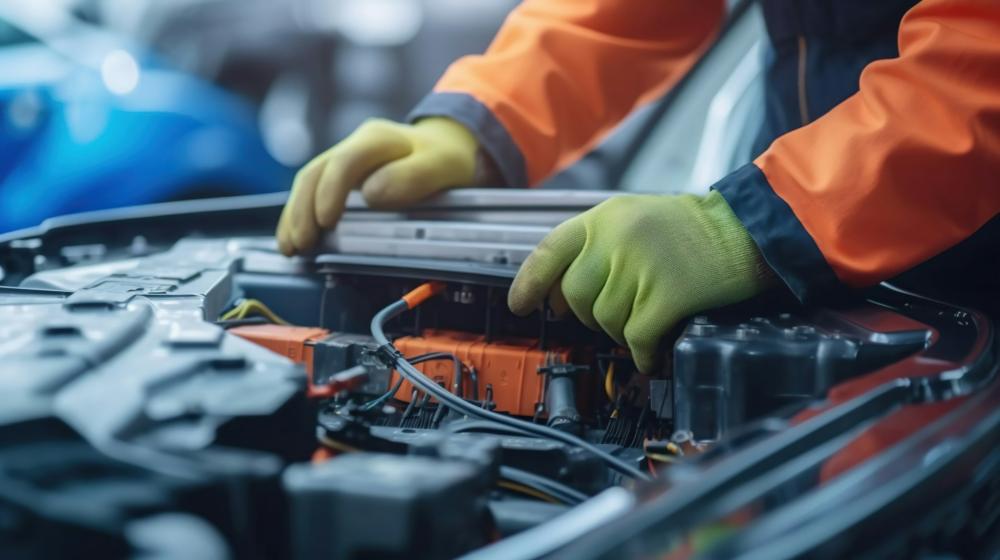
As with every CM, nickel needs to be extracted underground, and often, mining is in developing countries in the Global South. Afterwards, nickel is processed and refined into cathode material for a LIB, or the battery's positive electrode, which generates electric current. Lithium Nickel Manganese Cobalt (NMC) is one of the cathode chemistries of LIB technology, and this blog focuses on the nickel-intensive NMC811 cathode material, which is 80 per cent nickel, 10 per cent manganese, and 10 per cent cobalt. Finally, factories receive the cathode material, manufacture batteries, and use them for BEV production.
Trade flows matter for understanding the BEV story because it show the entire GVC, from extracting nickel and processing cathode material to battery pack manufacturing, BEV production, and end-users.
Where is nickel extracted, LIBs manufactured, and BEVs produced?
Figure 1 traces countries responsible for each activity in the upstream and downstream of BEV production in 2024. Upstream activities are dominated by the Philippines extracting nickel (USD 2.1 billion) and Indonesia processing nickel (USD 7.4 billion), while China dominates battery pack manufacturing (USD 126.5 billion) for BEV production in Germany (USD 159.0 billion) in the downstream segment.
Looking at the geographical distribution of BEV production, a pattern emerges: developing countries in the Global South dominate the upstream segment, while developed countries in the Global North, except China, capture a significant share of downstream value.
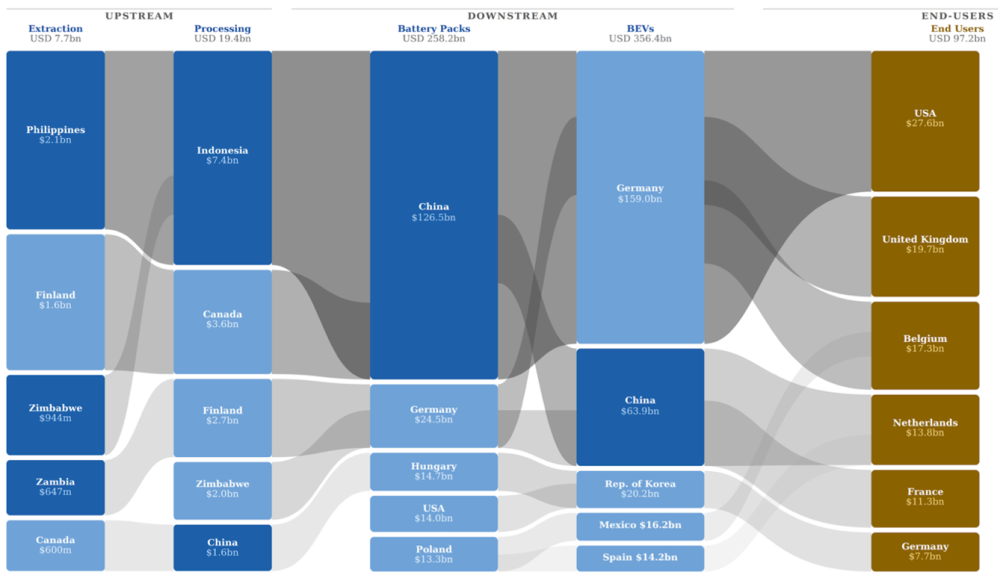
It reveals that the farther a country moves up the GVC of BEV production, the higher the economic value they will be able to capture.
It thus offers resource-rich countries economic opportunities to move up the GVC of BEV production, from the upstream segment to the downstream segment, which economists call GVC economic upgrading. So, why does the BEV have a dirty story?
The dirty story of zero-emission BEVs
BEVs are marketed as zero-emission vehicles; however, extraction, processing, and battery pack manufacturing remain carbon-intensive.
Biomass carbon emissions at nickel mines range from 25 to 45 tonnes of carbon dioxide, of which the Philippines accounts for approximately 40 megagrams of carbon per hectare. Nevertheless, Figure 1 reveals that the Philippines never move up the GVC and is even experiencing ecosystem degradation from nickel mining.
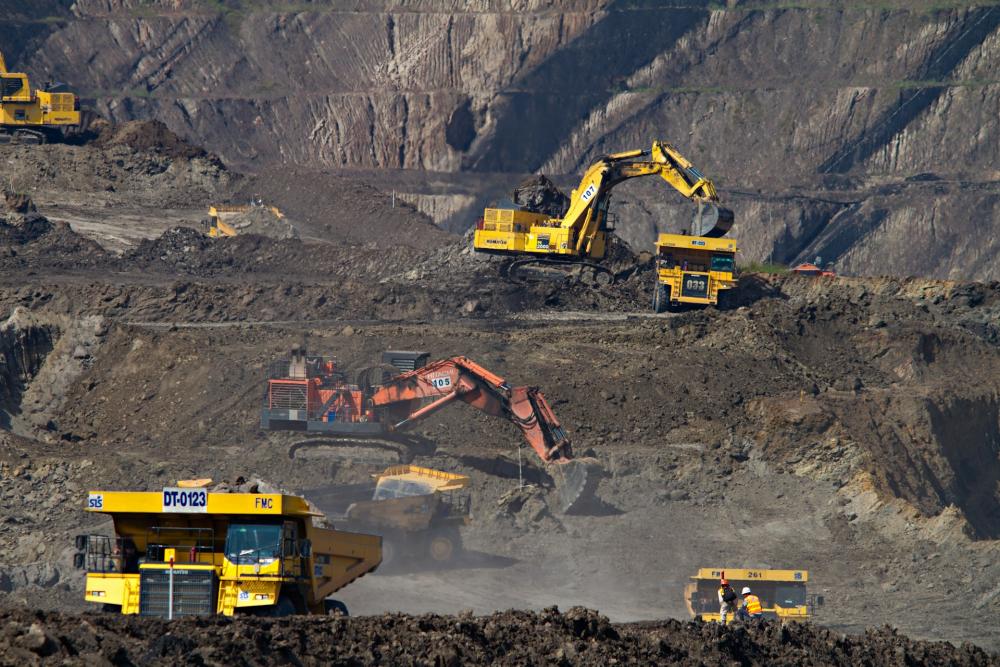
Processing nickel ore into NMC811 cathode material for LIBs accounts for approximately 44 per cent of all greenhouse gas (GHG) emissions in LIB production. Indonesia accounts for 13.5 per cent of total GHG emissions from processing NMC811 cathode material due to its fossil-fuel dominated energy mix. Battery pack manufacturing, meanwhile, accounts for 21 per cent of all NMC811 cathode material GHG emissions, while China accounts for 45 per cent of all GHG emissions from the BEV LIB production.
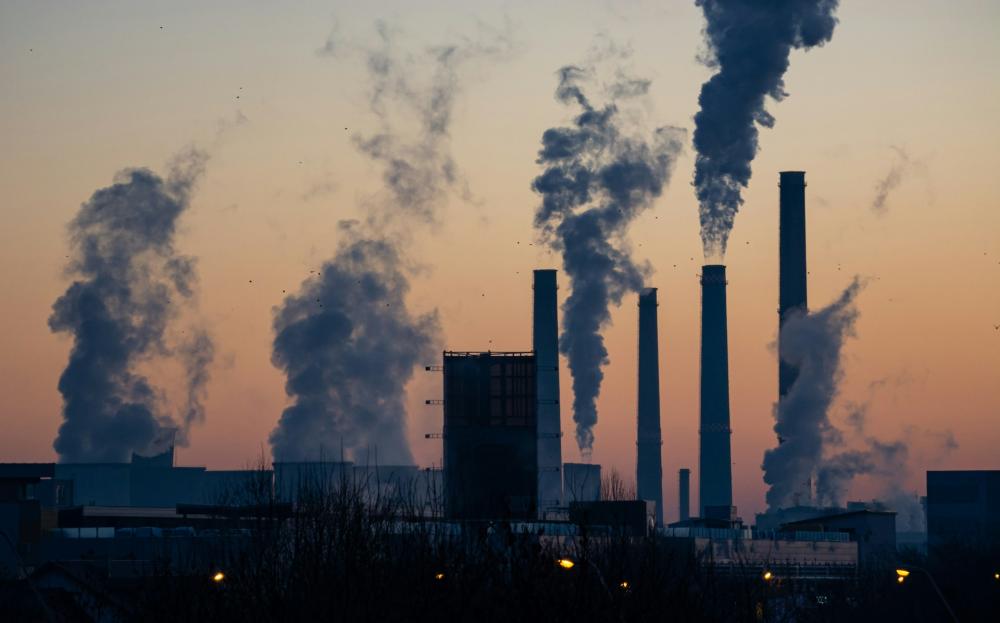
When BEV production is viewed from extraction to the final product, BEVs remain a dirty story of GHG emissions in developing countries.
Unequal exchange: Developed and developing countries
The pattern in Figure 1 reflects developed countries’ historical dependence on resource-rich countries for CMs.
The BEV GVC thus reflects an unequal exchange: BEVs’ upstream nickel extraction and processing activities are carbon-intensive and occur in developing countries, while higher-value activities are captured by most developed countries, with China as an exception because it still experiences environmental degradation due to rising emissions.
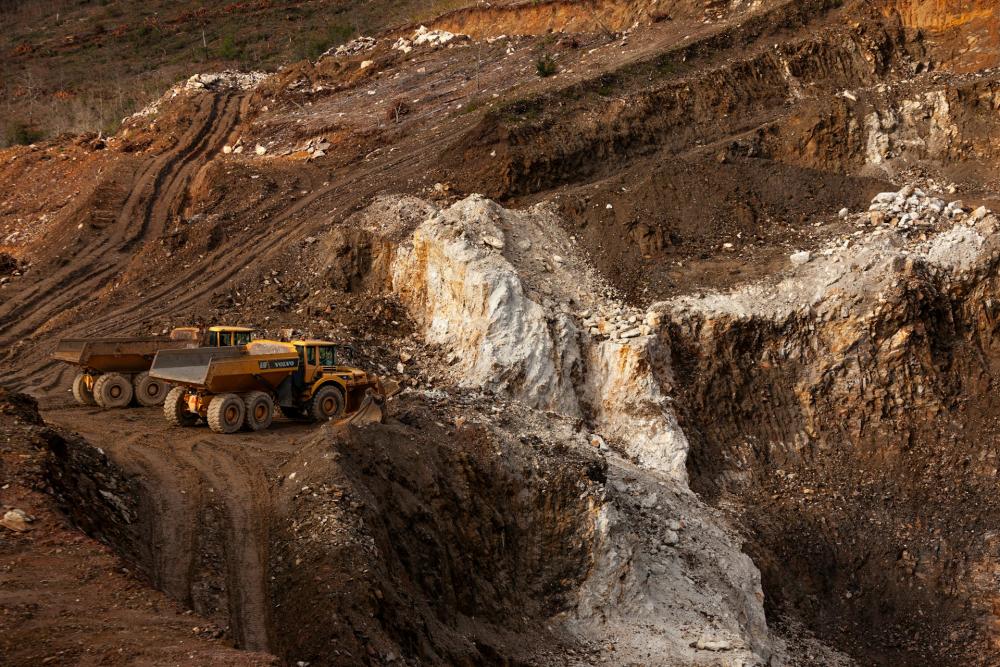
Developed countries in the Global North capture the economic value of outsourcing nickel, cathode material, and battery packs from the Philippines, Indonesia, and China, respectively, in exchange for these developing countries’ ecological costs of rising GHG emissions. End-users thus enjoy their zero-emission BEVs, while the ecological costs are incurred miles away.
How to cleanse the dirty story of BEVs?
Because BEV production depends on GVC, international initiatives are important for promoting innovation and research and development to develop cleaner technologies for LIB and BEV production in developing countries. Current emissions accounting also only measures emissions where it occurs. For instance, German BEV manufacturers’ emissions only cover factory emissions (Scope 1), and disregard upstream emissions from suppliers like the Philippines, Indonesia, and China (Scope 3).
This results in a carbon loophole, wherein embodied emissions from upstream emissions (Scope 3) are not accounted for. Closing this loophole means that German BEV manufacturers account for upstream and downstream emissions from BEV production, thereby presenting the full ecological cost of BEV production.
The emission-intensive story of zero-emission BEVs
Zero-emission BEVs, after all, have emissions built in their production. Through the GVC analysis, we saw that the dirty story of BEV production begins underground with nickel extraction and continues through nickel processing and battery pack manufacturing.
The BEV production must be viewed from extraction to end-use to understand the complete low-carbon transition story: BEVs simultaneously generate economic opportunities and ecological risks.
BEVs offer economic opportunities for developing countries, but ecological sustainability should be equally pursued to ensure that a low-carbon transition simultaneously promotes sustainability and development. For policymakers, BEV firms, and consumers, the question is whether the low-carbon transition will be truly clean and whether zero-emission BEVs are merely a marketing label concealing ecological risks. So, the next time you see a BEV charging, remember that BEVs have a hidden dirty story.
Header image credit: Oxana Melis via Unsplash.
About the author
Marius Torres is a candidate for an MSc in Environment, Politics, and Development at SOAS. Prior to undertaking the Master’s, he worked as a technical staff at the Philippines Department of Finance, handling the climate change and disaster risk financing and insurance portfolio.
He holds a BSc in Economics and Public Policy at San Beda University, Philippines. Marius’ interests lie in formulating domestic, regional, and international climate and disaster risk finance policies.