How I became CEO of the MHRA: Lawrence Tallon’s journey from SOAS to leading the UK Medicines Regulator


“SOAS opened my eyes to the wider world”: Alumnus Lawrence Tallon (BA, MA History), now CEO of the Medicines and Healthcare products Regulatory Agency (MHRA), reflects on his journey and shares advice for future leaders.
We spoke to Lawrence about his route to leadership in the scientific sector.
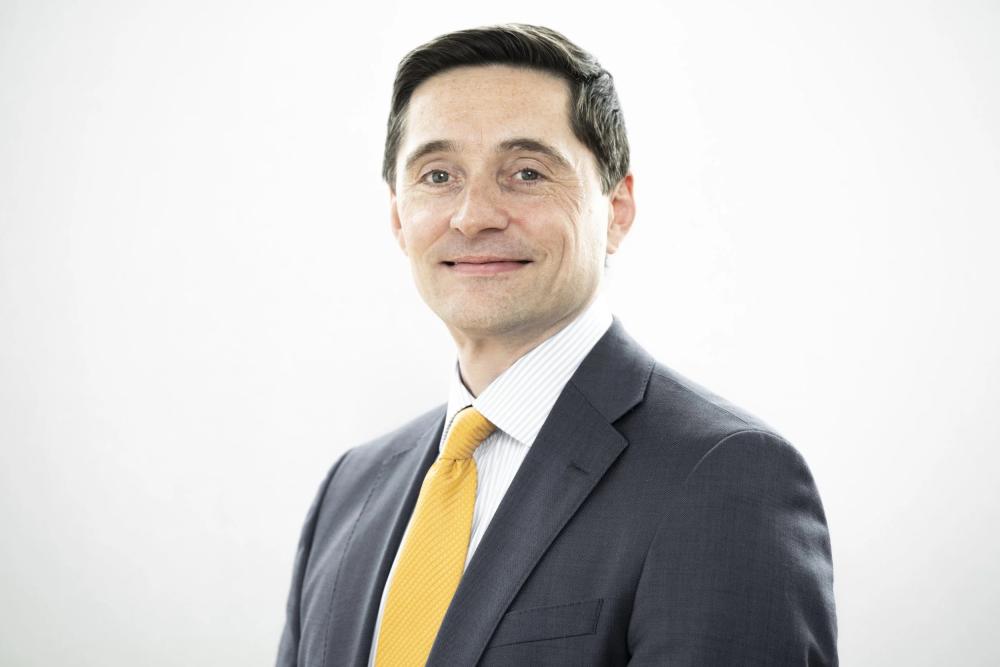
His experience in hospital services in the UK and the Middle East is rooted in his understanding of social and historical contexts, a direct result of his studies at SOAS.
Choosing SOAS to cultivate a passion and gain exposure to the wider world
Growing up in Cambridge, he describes his childhood environment as internationally influenced, yet somewhat insulated.
“Because of the university, Cambridge is very international. But if you grow up there as a child, it can feel quite monocultural. I always had this inkling that I wanted greater exposure to the wide world.”
SOAS and London provided exactly that.
Arriving in 1997, he chose BA History, followed by a Master’s in History completed in 2002. He followed a regional focus, specialising in Middle Eastern and African history.
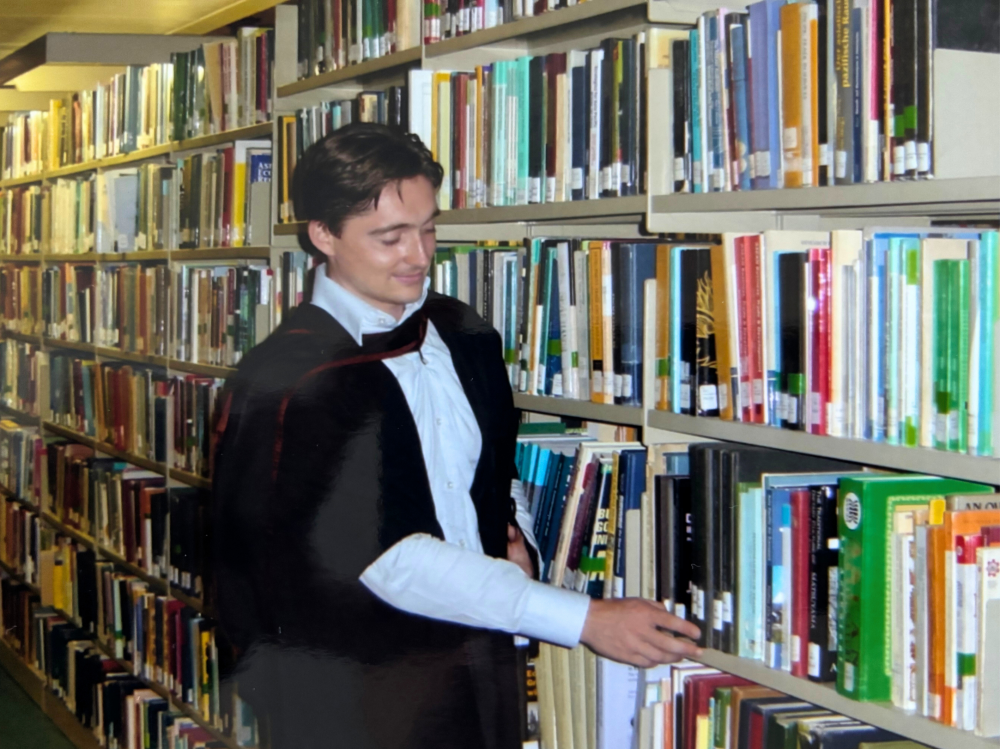
His interest in Africa and the Middle East had been sparked long before university. His mother, an archaeologist, and his father, a geologist, had spent time in Kenya and Egypt before he was born: “I grew up hearing stories about their work in the Rift Valley. It whetted my appetite to learn more.”
From SOAS to senior leadership in the scientific sector: an unorthodox route?
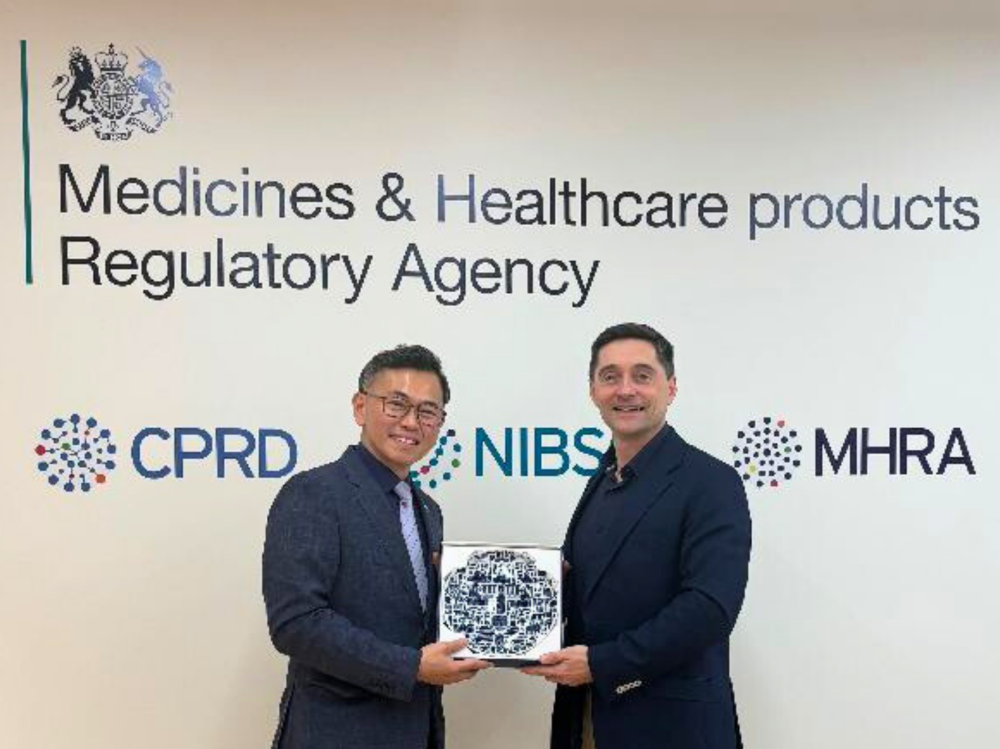
Today, Lawrence leads the MHRA, the UK’s regulator for medicines and medical devices.
“If a medicine or medical device, including AI‑based tools, is going to be sold in this country, we are the regulator. We decide whether it’s safe and effective enough to be on the market, we monitor its safety, and we crack down on criminal activity involving falsified medicines.”
Before stepping into the role, he spent most of his career running hospital services across the UK and the Middle East. After an early period in the Department of Health, he sought positions closer to healthcare delivery: “I wanted to run things in the real world. That led me to hospitals.”
There needs to be a marriage between scientific knowledge and an understanding of the social and historical context in which science is deployed. Interdisciplinary working is crucial.
His current role, he says, is highly varied. A typical day might include conversations with scientific teams about new medicines, enforcement action against illegal products, collaboration with global researchers and tech companies, and discussions with government ministers on MedTech innovation.
His SOAS education was key during his work in the Middle East: “It was clear that not everyone who had come straight from the UK had grounding in the region’s history or languages.”
He also credits his history degree for shaping his broader approach to leadership in science‑heavy environments: “There needs to be a marriage between scientific knowledge and an understanding of the social and historical context in which science is deployed. Interdisciplinary working is crucial. That’s the perspective I bring.”
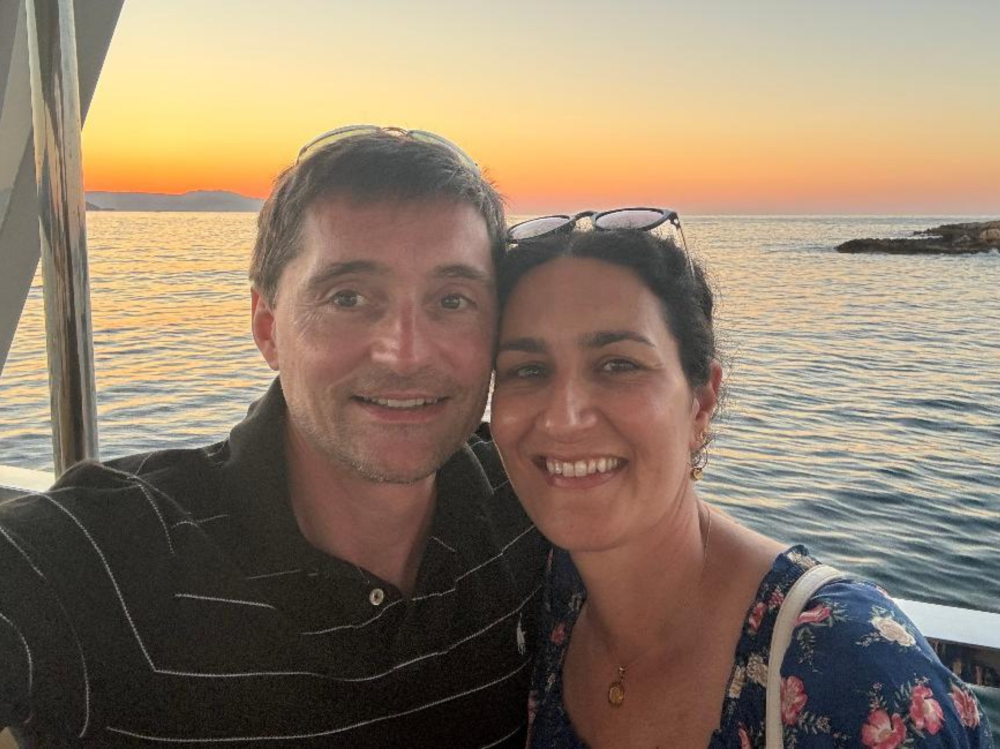
On a more personal note, in 2003 Lawrence married SOAS alumna Babs Viejo (BA South-East Asian Studies, 2000): “We are a SOAS family. My best man was a close friend from SOAS. My three kids wouldn’t exist if Babs and I hadn’t met at SOAS!”.
Lawrence’s advice: prepare for a multi-stage, mission-oriented working life
Lawrence offered two key pieces of advice for students and early-career professionals.
The first is to prioritise mission over money: “It’s a cliché, but if you love what you're doing, you’ll be good at it, and you will reach senior levels, where the hours are long, and the stakes can be high. If you don’t care about what you’re doing, that’s hard. If you do care, you can cope with anything, and the financial side will take care of itself.”
The old three-part model, education, career and retirement, no longer holds. You might have two or three careers. You may need to pivot several times.
The second piece of advice is to prepare for a long, multi-stage working life. Lawrence points out that two major shifts have happened since he was a student: people live longer and work longer, and technology evolves rapidly, disrupting professions.
“The old three-part model, education, career and retirement, no longer holds. You might have two or three careers. You may need to pivot several times.”
For SOAS students in particular, he stressed the importance of staying informed about science and technology: “Even if you’re a social scientist, you’ll need a general understanding of how technology is changing the world.”
Hopes for the future: regulation as an enabler
“I've reached a point in my career where I can do things that have a real, tangible impact on people's lives in the real world, and that's really rewarding,” Lawrence explains.
He is especially energised by recent advances in advanced therapeutic medicinal products, including gene therapies that can treat or cure diseases once thought untreatable: “We can now functionally cure conditions like sickle cell anaemia. A generation ago, that was unimaginable.”
His goal is to help ensure the MHRA enables life‑changing scientific progress that improves lives, just as earlier advances improved those of his own family: “Being in a position where you can help give people longer, healthier lives is a privilege. You’re one cog in a much bigger wheel, but it matters.”
Header image credit: Gorodenkoff via AdobeStock.
Blog series
"How I became a..." is our SOAS Alumni Career Series, where we highlight the diversity and range of jobs SOAS students go on to do around the world, and how they got there.