How I became a social impact researcher: Marianna Lemus-Boskovitch on turning curiosity into a career


From evaluating youth programmes in the UK to leading philanthropy research across Asia, Marianna Lemus-Boskovitch (MSc Development Economics, 2009) has built an international career helping organisations understand and maximise their social impact.
She reflects on the personal and professional experiences that shaped her journey, the lessons she learned at SOAS, and why the alumni community continues to play an important role in her life.
From SOAS to social impact
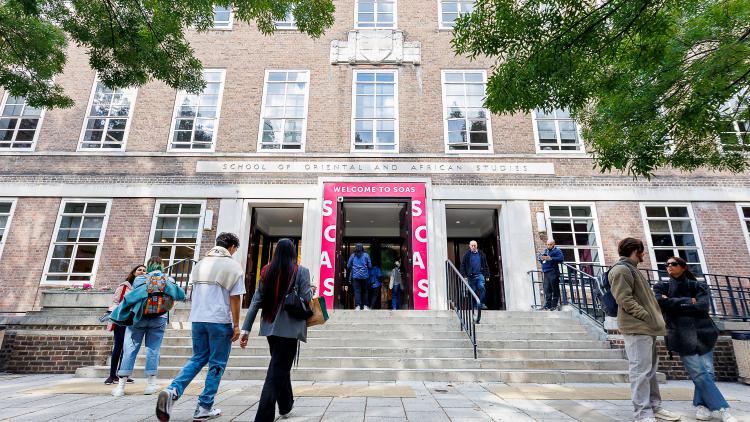
When Marianna Lemus-Boskovitch arrived at SOAS in 2008 to study for an MSc in Development Economics, she was looking for something she couldn't find elsewhere: an economics education that embraced complexity rather than reducing the world to equations.
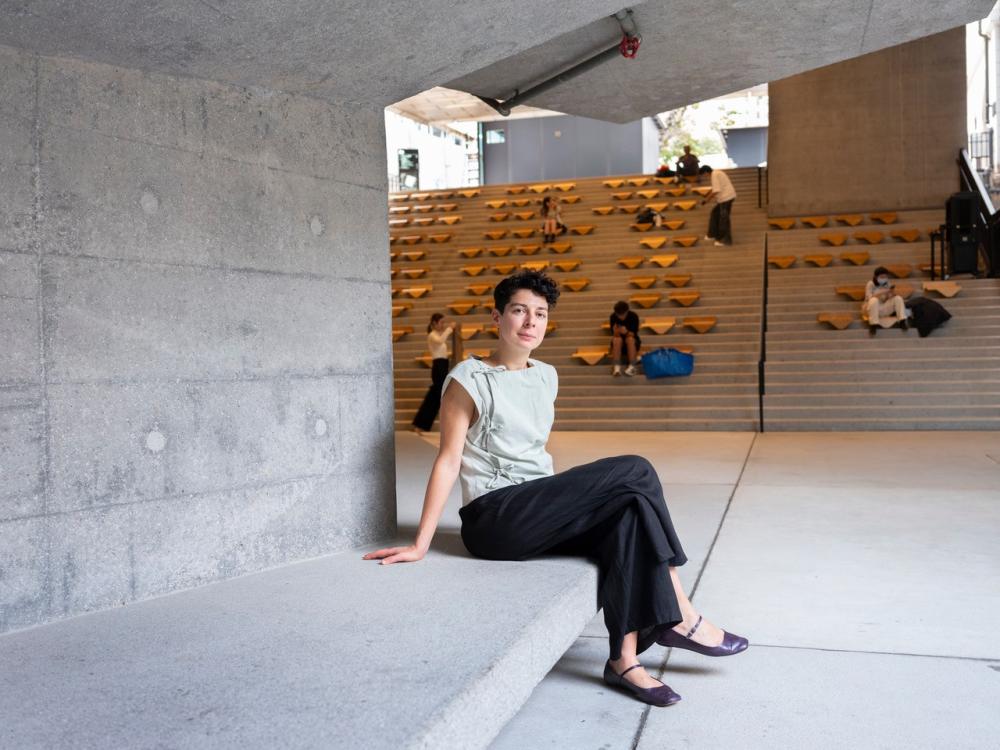
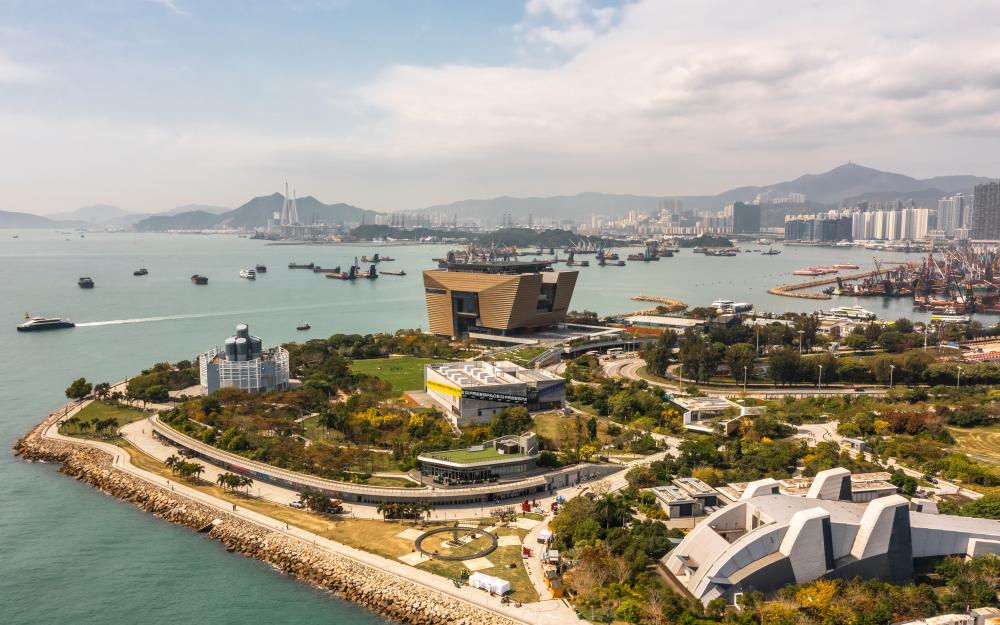
Today, that search for deeper understanding has taken her across continents and sectors. Having built a career in impact evaluation and cultural policy, she now works at the Centre for Asian Philanthropy and Society (CAPS) in Hong Kong as a Senior Researcher, leading studies on philanthropy and the social sector across 17 Asian economies.
The SOAS alumni network is like a global support system without you even realising it.
Yet despite an international career spanning the UK, Europe and Asia-Pacific, Marianna says one of the most enduring parts of her SOAS experience has been the alumni community. She values the familiarity and shared interests that come with meeting fellow SOAS graduates in different parts of the world and that constitute a key connection to the places she has lived in.
"The SOAS alumni network is like a global support system without you even realising it," she says. "No matter where I am in the world, if I meet a SOAS alumnus, there is an immediate shared understanding and a common set of values."
Finding a different way of thinking
Marianna chose SOAS because she wanted to study economics in a way that reflected the realities she had observed growing up.
As a half-Mexican woman who travelled regularly to Mexico from an early age, she witnessed inequalities that challenged conventional economic explanations. Those experiences prompted her to question explanations of poverty that relied too narrowly on economic models, without sufficient attention to the social, political and historical contexts in which they were applied.
SOAS was the only choice that offered that unique blend of development economics and a respectful focus on non-Western countries.
"I remember thinking that poverty issues could not simply be explained by failing to adhere to a mathematically based economic model."
SOAS offered a perspective she found nowhere else: rigorous academic training combined with a deep understanding of regional contexts and the Global South.
"It was the only choice that offered that unique blend of development economics and a respectful focus on non-Western countries."
What she remembers most vividly is the intellectual atmosphere. Lectures often spilled into debates, and conversations moved effortlessly between disciplines.
"One moment you're discussing econometric models and the next you're hearing a debate about postcolonial history."
The experience taught her what she now describes as the "SOAS mindset": being comfortable and willing to engage with complexity, recognising that social, economic and political issues rarely have simple answers.
From questions to impact
Shortly after graduating, Marianna experienced a profound personal loss when her mother died from brain cancer. The experience changed her outlook on work and life. The loss sharpened her priorities, reinforcing the importance of work she found both fulfilling and meaningful.
After taking time to process her loss, she entered the charity sector and established the Evaluation Unit at Young Enterprise, part of Junior Achievement Worldwide. That role marked the beginning of a 15-year career in monitoring, evaluation and learning, bringing her development economics training into applied research.
I love asking questions, listening to voices across different cultures, appreciating different perspectives and finding evidence that helps organisations move from good intentions to real-world results.
Since then, she has worked with organisations across the UK, Europe and Asia-Pacific, including senior roles at Ipsos and BOP Consulting. Her projects have ranged from evaluating financial capability programmes and Home Office initiatives to assessing arts and cultural programmes in sub-Saharan Africa.
More recently, she co-authored Enhancing Social Impact Measurement in Hong Kong's Cultural Sector, a white paper produced with City University of Hong Kong that explores how cultural organisations can move beyond audience numbers to better understand their contribution to public value and community wellbeing.
What drives her remains the same throughout every project: curiosity.
"I love the detective work of research," she explains. "Asking questions, listening to voices across different cultures, appreciating different perspectives and finding evidence that helps organisations move from good intentions to real-world results."
Building connections across continents
For someone whose work focuses on understanding different societies and cultures, it is perhaps unsurprising that Marianna sees enormous value in the connections formed through the SOAS alumni community.
When she relocated to Hong Kong, those connections were an important source of insight and part of her conscious efforts to reach out to local communities and engage with the cultures around her.
"The network was instrumental in helping me understand the region," she says. "Through individual conversations, alumni shared subtle and nuanced insights that you simply can't find in reports or guidebooks."
She describes the alumni network as a source of "tacit knowledge" - the kind of understanding that comes from lived experience and shared conversations rather than formal research. For her, this complements her wider engagement with local people and cultures.
That sense of connection was reinforced recently when she attended a SOAS alumni reception in Hong Kong featuring a discussion led by Professor Adam Hanieh on the global implications of the US-Israeli conflict with Iran.
Whether I'm living in London, Mexico City or Hong Kong, I carry that SOAS-inspired drive to understand the 'why' behind the 'what', and to always look for the human story beneath the data.
What impressed her most was how the conversation revealed different regional perspectives on the same issue.
"The discussion highlighted how interconnected global events are, but also how different societies experience those events in very different ways."
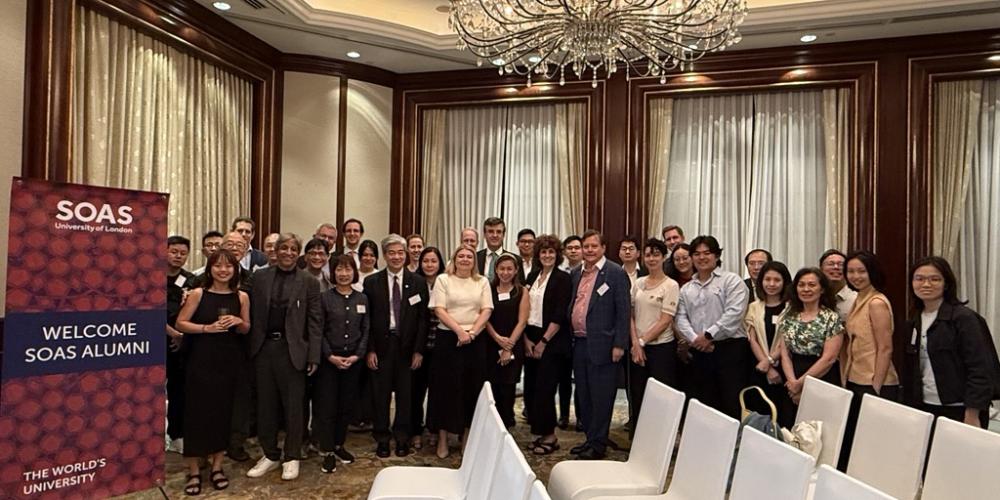
For Marianna, the event reflected one of the defining strengths of the SOAS community: bringing together people who are curious about the world and willing to engage with complexity.
Inspired by connection
In her role at CAPS, Marianna remains guided by many of the values she developed during her time at SOAS.
"It gave me a sense of global citizenship," she says. "Whether I'm living in London, Mexico City or Hong Kong, I carry that SOAS-inspired drive to understand the 'why' behind the 'what', and to always look for the human story beneath the data."
Looking ahead, she would love to see more opportunities for alumni working in similar fields to connect through sector-specific networks, particularly in areas such as social impact, philanthropy and culture. Ultimately, she believes the strength of the SOAS alumni community lies in something deeper than professional networking.
It is a shared curiosity about the world, a commitment to understanding different perspectives, and a belief that the most important insights often emerge when people from different backgrounds come together to learn from one another.
Header photo credit: zhouyilu via Adobe Stock
Blog series
"How I became a..." is our SOAS Alumni Career Series, where we highlight the diversity and range of jobs SOAS students go on to do around the world, and how they got there.