My year at SOAS: How a Master's in London changed the way I see the world


Nancy switched careers, moved to London, and returned to academia all at once. Here she reflects on a transformative year doing a Master's at SOAS and why she's leaving a different person than the one who arrived.
I’ll be honest, I was terrified before I arrived. Coming back to academia after years as a working professional, switching careers entirely, moving to a new city: any one of those things would have been enough. I was doing all three at once.
But somewhere between my first GECP class and the last time I cooked dinner with friends from different countries, something shifted. London stopped feeling foreign. SOAS stopped feeling daunting. And I started feeling, for the first time in a while, like myself.
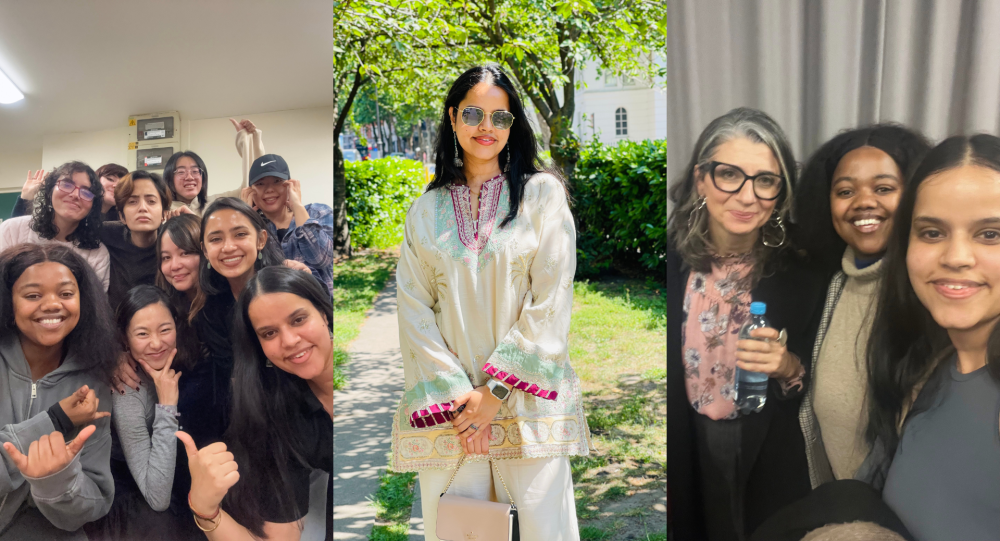
The classroom gave me frameworks I didn't have before. My International Politics of Climate Justice module cracked open the way I see the world, not just what policies exist, but whose costs never make it into the models, whose voices never make it into the room. That question followed me everywhere after.
This is what it means to be at SOAS. You don't just learn about the world in the abstract. You live it, at the table, with the people sitting across from you.
Outside the classroom, I attended a lecture by one of my favourite authors, Elif Shafak, on the state of the humanities. She said stories are not a luxury; they are as essential as bread. SOAS made me a more serious reader. Fiction taught me empathy; academic books taught me rigour. I stopped choosing between them.
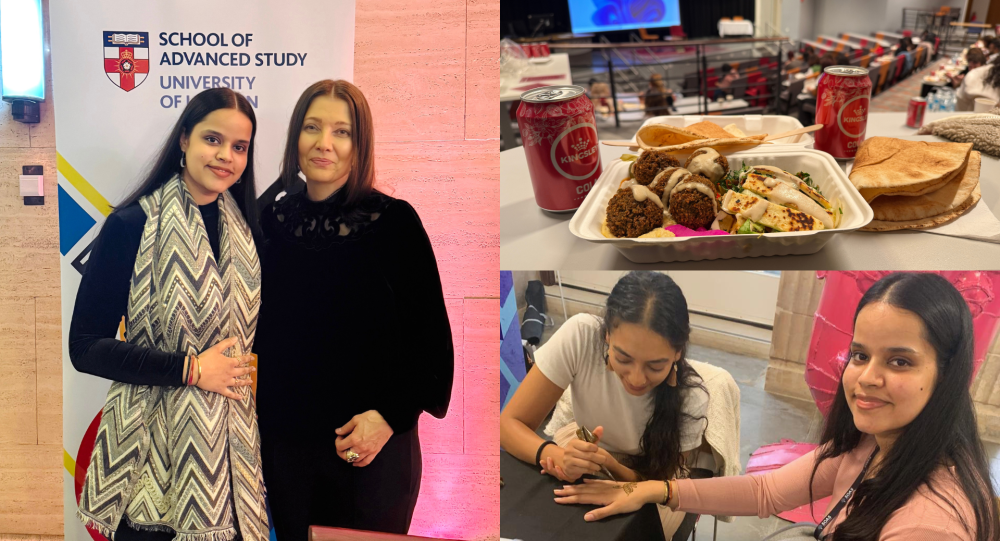
My favourite memories didn't happen in lecture halls. They happened in kitchens. We celebrated Holi and Diwali together, throwing colours, applying henna and eating until we couldn't. And then, for the first time in my life, I celebrated Eid. My friends took me shopping for special clothes, and we sat together eating Seviyan (a sweet vermicelli dish, something like a rice pudding), and I thought: this is what it means to be at SOAS. You don't just learn about the world in the abstract. You live it, at the table, with the people sitting across from you.
SOAS has a particular quality that's hard to describe until you're inside it...Everyone seemed to have arrived already caring about justice, about the world, about each other.
SOAS has a particular quality that's hard to describe until you're inside it. An Indian journalist I admire once called it the JNU of the West, and that comparison means something. JNU is one of India's most prestigious universities, known for producing eminent thinkers and giving space to activists, to people who speak for those who can't speak for themselves. To be the voice of the voiceless. That's the spirit I found here too. I didn't have to shrink my opinions to fit the room. Everyone seemed to have arrived already caring about justice, about the world, about each other.
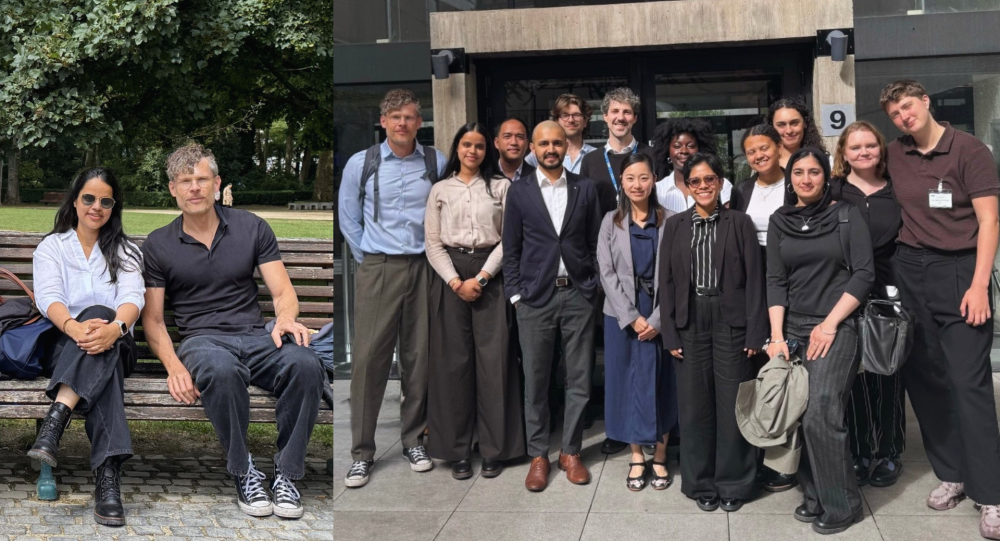
What's next? I'm heading back to India, but I'm a different person than the one who left. This year broke my horizon open. Sitting across from people working at international organisations I once only read about, seeing SOAS alumni doing work that actually moves things, I leave with more directions to run in than I arrived with. That feels like the point.
If I could go back to one moment, it would be my first core module class. Not because I knew then what I know now, but because I didn't. And everything was still about to begin.
About the author
Nancy Sehrawat is a Student Content Creator and studies MSc Global Energy and Climate Policy at SOAS.