Scholarship impact: "I want to support the humanitarian sector's transition to a more just future"


Katie Thomas-Canfield (MA Social Anthropology) shares how the John Loiello Scholarship is helping her build on more than a decade of humanitarian experience.
Through her studies in Social Anthropology, she examines crisis, power and justice to explore how anthropological perspectives can help rethink economics and the humanitarian sector for a more equitable world.
A commitment to public service
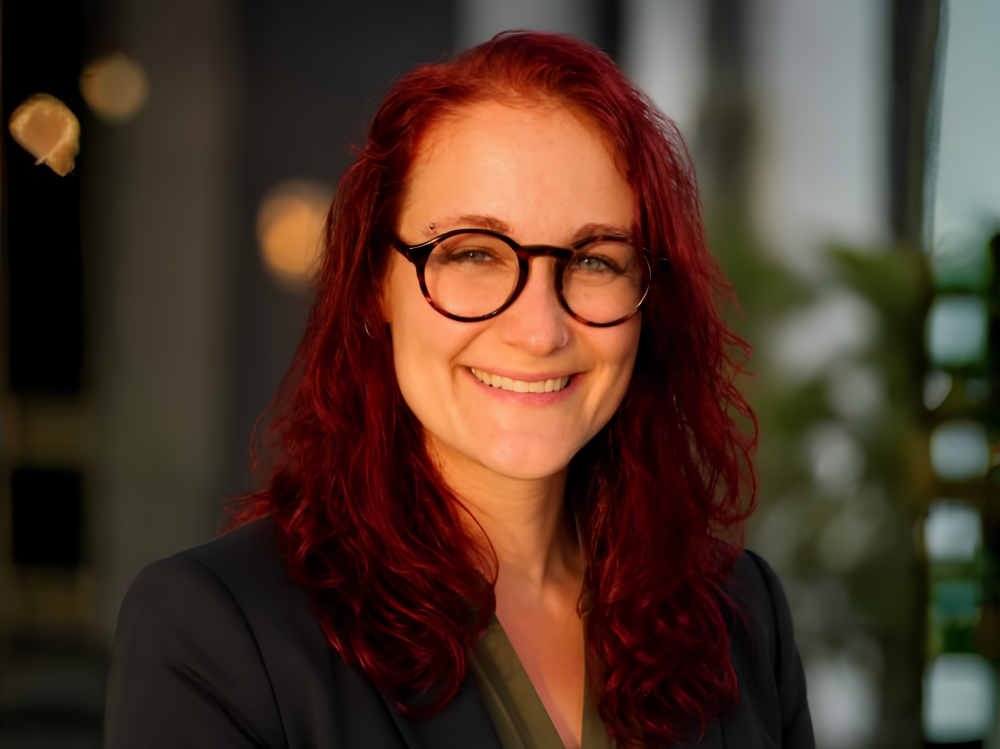
My name is Katie Thomas-Canfield, and I am an MA Social Anthropology student and recipient of the John Loiello Scholarship. As someone who has always been fascinated by anthropology, I have long been driven by immense curiosity and the desire to understand why and how humans do what we do.
I grew up in a family that valued public service and worked towards more equitable living conditions within and beyond our community. Doing good work and serving communities was always more important to me than the pay cheque. As a result, despite working for nearly 10 years after graduating, I only had enough savings to cover either tuition fees or living expenses for my master's degree.
The John Loiello AFSOAS FISHL Scholarship enabled me to pursue postgraduate study at SOAS, whose scholars, scholarship and values closely align with my own research and professional interests.
Building on my experience in the humanitarian sector, my work at SOAS focuses on questions of famine, scarcity, informal economies and systems of power.
My experience has instilled a deep empathy and humility for the ways different people seek to subvert, challenge and cope with uneven power in the world around them.
My dissertation examines the polyphonic roles of food smugglers as insiders and outsiders during the 2017 famine in South Sudan, including how periods of extreme scarcity influenced interpretations of morally legitimate versus illegitimate business practices.
Lessons from the frontline
I have worked in the humanitarian and development sectors for the last 12 years. My work has taken me to private, inner corners of places most people will never have the ability or occasion to visit.
From South Sudan to Yemen, Burkina Faso, Haiti and Afghanistan, my experience has instilled a deep empathy and humility for the ways different people seek to subvert, challenge and cope with uneven power in the world around them.
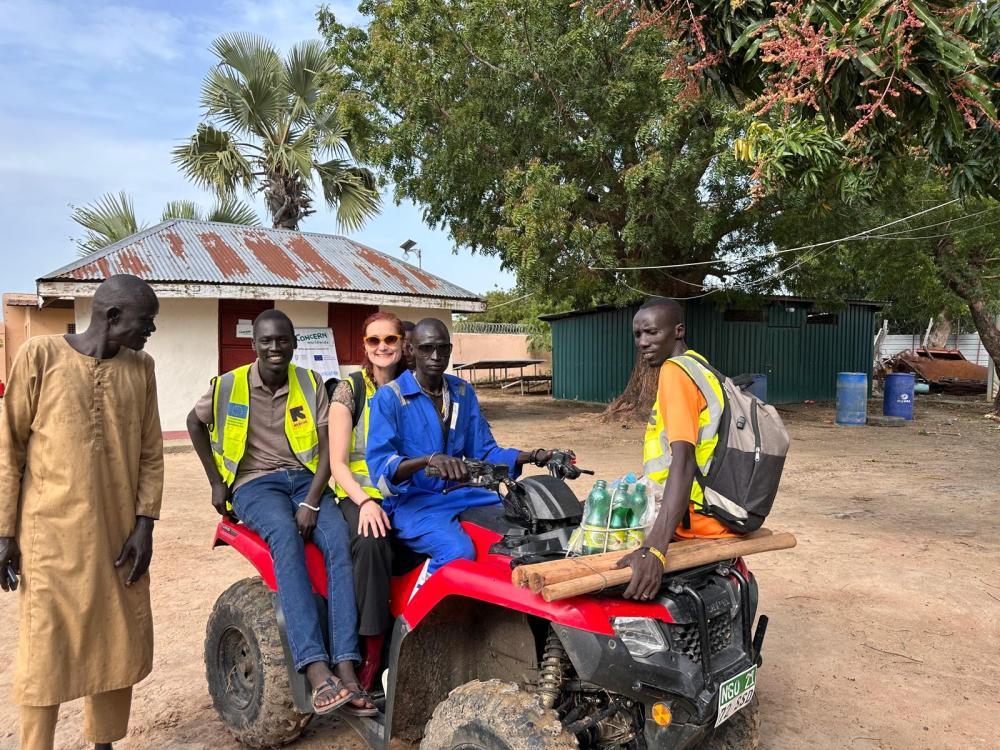
Despite the sometimes truly terrible sides of humanity I have witnessed in conflict and post-conflict settings, these experiences have mostly reinforced my awe at how people contend with and negotiate hegemony even in their hardest personal moments.
A vision for the future of the humanitarian sector
I was trained in economics and have worked extensively with quantitative data. Though I still believe there is radical potential for the field of economics, I am frustrated with its oversimplification of multifaceted socioeconomic questions, especially in moments of crisis.
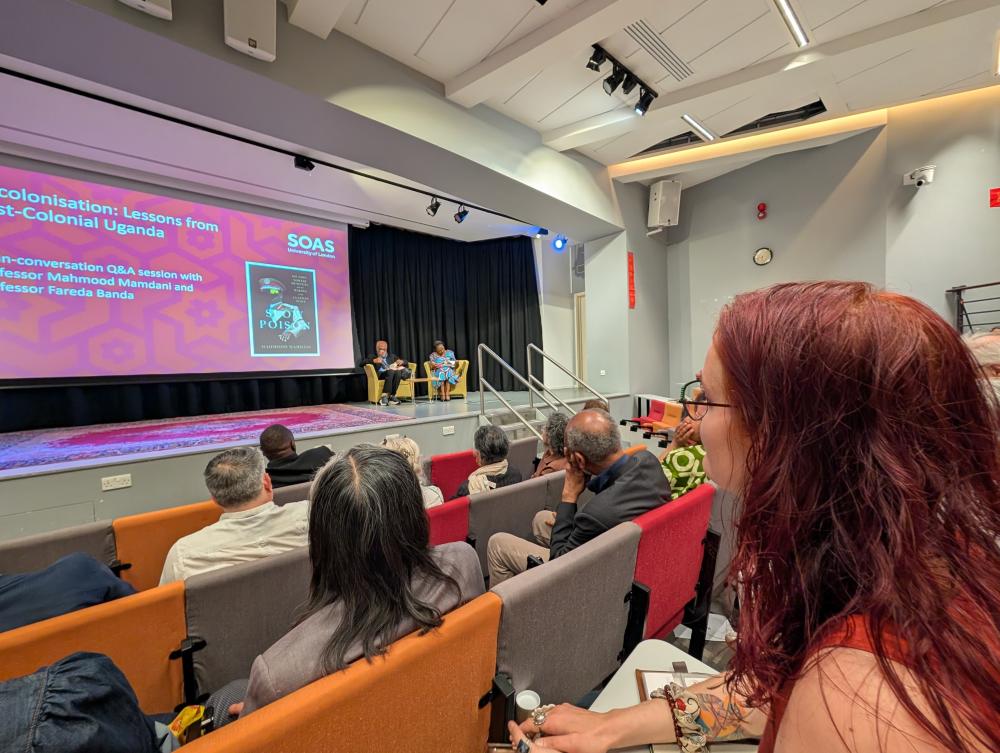
Unlike economics, anthropology does not work through reduction but rather through individual testimony to broader networks, understood and valued for their deeply complex and interconnected nature.
I want to use the new tools and perspectives I have gained through my Master's at SOAS to support the humanitarian sector's transition to a more just, human-centred and rights-oriented future.
At my juncture as both theorist and practitioner, I am interested in mixed methodologies, mapping, modelling and otherwise deconstructing socioeconomic phenomena through anthropological methods, and rethinking economics through anthropology.
The humanitarian sector is in an existential and funding crisis. I want to use the new tools and perspectives I have gained through my Master's at SOAS to support the humanitarian sector's transition to a more just, human-centred and rights-oriented future.
Header image credit: Panyijar, South Sudan, taken by the author.