A SOAS Love Story: “We met in class and she bribed me with Haribo”


A chance meeting at a SOAS seminar turned Emmanuelle and Robert from study partners into lifelong partners, building a life of love, family, and adventure across the world.
Back in the late ‘90s, Emmanuelle Kunigk and Robert Oates found themselves in the same small seminar group for their Rural History of Southeast Asia class, taught by Professor Ian Brown. Emmanuelle was in her third year studying BA Hons Development Studies and History, while Robert pursued a BA Hons in Asian Studies.
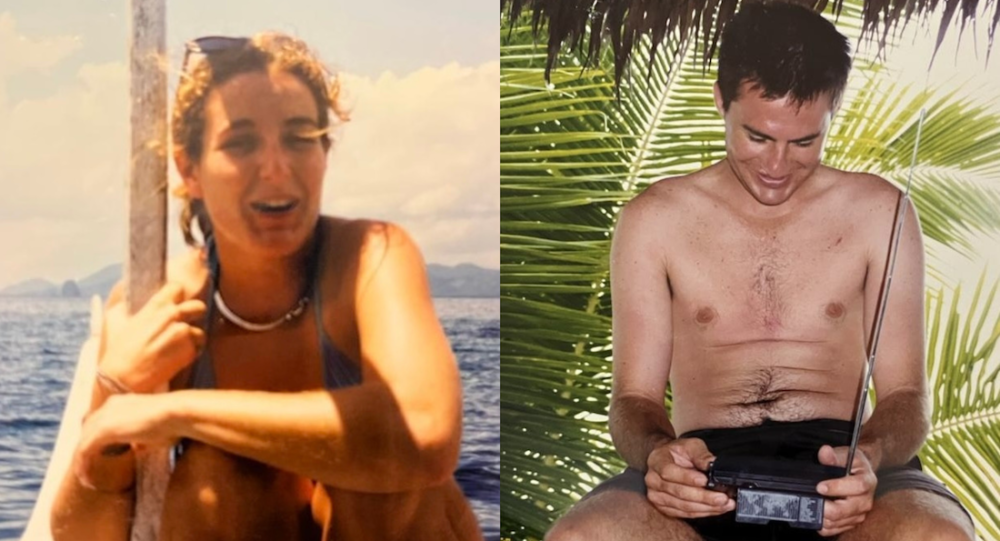
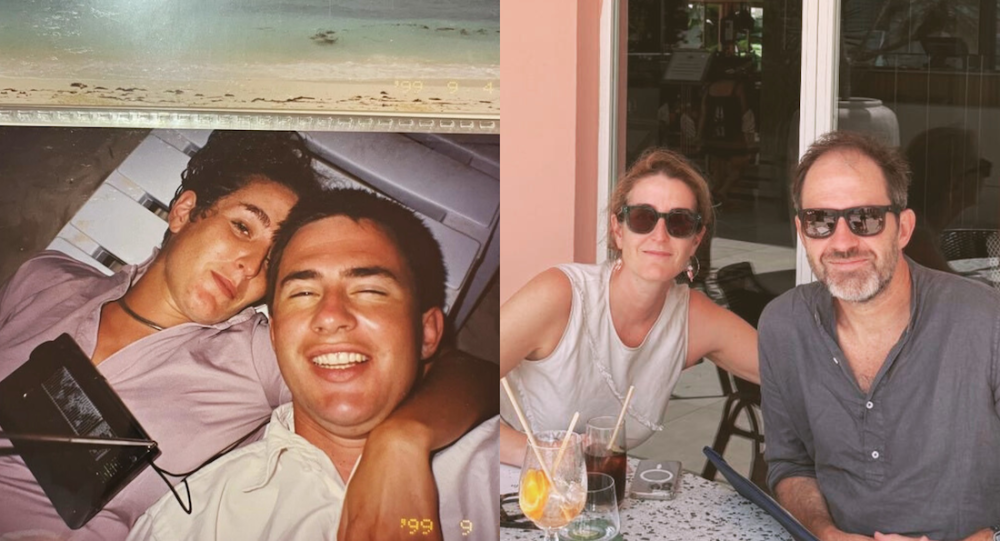
They started as study partners, and after graduating in 1999, they decided to go backpacking around the Philippines together that summer. Since then, they have married, had three children, and have lived in over ten countries across Asia and the Middle East. Rob has worked at HSBC since graduating, while Emmi has built a career across the private sector, NGOs, and, most recently, the United Nations Office on Drugs and Crime (UNODC). Today they are based between Singapore and London.
We sat down with them to talk about their first impressions, how they got talking, and where life has taken them after SOAS.
You met in class. What were your first impressions of each other?
Emmanuelle: “That he was really square. I used to be a bit louder in those days and Rob was very neat. I distinctly remember he had these really neat, colour-coordinated notes. And I thought ‘who does that?’. I can't speak for Rob but I think he probably thought I was this loud person in the class.”
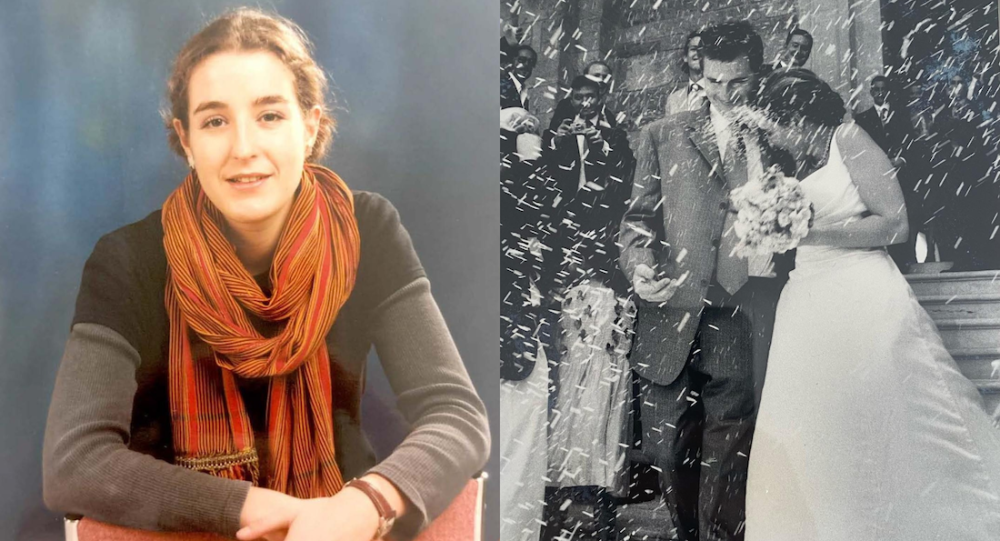
Robert: “Who’s that beautiful, mysterious lady wearing the African-print scarf? She always seemed to talk prolifically in tutorials and was very smart. She was cool. She was trendy. She had more of the SOAS vibe, a bit of a lefty... She was vibrant. Powerful.”
Emmanuelle: “Ok, ok. No need to go overboard.”
How did you get talking?
Emmanuelle: “After my initial impression, I met him properly and realised he was actually very good at history and geography. I thought he might be able to help me, so I tracked him down in the Japanese Reading Room in the SOAS Library and brought a bag of Haribo. You weren’t allowed to eat in the library, and I thought, 'If he refuses the sweets, he really is as square as he looks. But if he cracks, then I have a shot at it.' He cracked and ate the Haribo.
You weren’t allowed to eat in the library, and I thought, 'If he refuses the sweets, he really is as square as he looks. But if he cracks, then I have a shot at it.' He cracked and ate the Haribo.
We complemented each other well as study partners. I helped his political theory, and he helped me with Asian geography and history. We found each other interesting.”
You became study partners. How did you each approach your studies?
Robert: “I was hard-working but not as confident or articulate. I didn't grasp concepts as easily and had to graft my way through, whereas Emmi seemed to read one thing, get the concept immediately, and then talk through the tutorial. She was a bit of the tutor’s pet!”
Emmanuelle: “No, it was just a different approach. Rob wrote much better essays than I did, but essays only counted for 20%, so I never saw much value in investing too much energy into them. Robert could spend hours on primary resources, while my capacity for researching the Japanese cotton industry had its limits.”
Robert could spend hours on primary resources, while my capacity for researching the Japanese cotton industry had its limits.
Robert: “I used to read all the records from the rubber producers in Southeast Asia during the war and use them in my essays, whereas Emmi went straight to the secondary analysis.”
How did you find studying at SOAS?
Emmanuelle: “The library really was my home. And it was Rob’s home, too. He spent considerably more hours there than I did, but once I met him, I found myself spending more time in that Japanese reading room where he used to hide. Honestly, the professors and staff at SOAS were exceptional—I’ve never found that level of dedication anywhere else. It fostered a unique environment that allowed for these kinds of connections.”
Robert: “We have a deep fondness for SOAS - for the experiences, its ethos, and its focus. Studying there was one of the most privileged opportunities we’ve had. No other university quite brings together such a diverse, engaged community. You study alongside people who have quit mid-career to return to education out of passion. SOAS is unique in its ethos, colours, sights, and sounds.
We have a deep fondness for SOAS - for the experiences, its ethos, and its focus. No other university quite brings together such a diverse, engaged community.
Professionally, SOAS gave me a huge foundation. I first developed an interest in Asia when I went to Japan for a year at 17. People often ask, 'SOAS prepared you for a career in finance? Really?' But it absolutely did. I’ve worked in eight or nine countries with HSBC, and my ability to adapt, understand people, and hit the ground running in different environments came from SOAS. If you want an international career, SOAS is outstanding preparation.”
If you could relive one day from university, what would it be and why?
Robert: “I think the day that Emmi came and sat with me in the reading room. She bribed me with Haribo and then my heart started fluttering.”
From that small seminar in the late ’90s to a lifetime of adventures together, Emmanuelle and Robert’s story highlights the lasting connections that begin at SOAS. Did you meet someone special at SOAS? Tell us your story.