Why COP31 failed: three gaps in climate diplomacy


Professor Thomas Tanner, a former UNFCCC negotiator turned climate and development academic, reflects on why COP31 in Antalya ended without agreement, and argues that diplomacy, an understanding of development pathways, and media literacy are the three gaps that must be closed.
I am a former UNFCCC negotiator and advisor who transitioned to become a climate and development academic. This could make me think either that the annual COP process is flawed or that it is vital.
Having watched the talks in Antalya end without a final agreement, I find myself holding both views at once. COP31 exposed how hard it is for the multilateral system to respond to the sheer complexity of the climate crisis. It also made clear where the gaps lie, and what would be needed to close them. I see three.
Diplomacy still matters and negotiation is a craft
Multilateral agreements are not the only answer to the collective action problem that climate change poses, but they remain fundamental to orienting national governments towards cutting emissions and addressing the impacts of a changing climate.
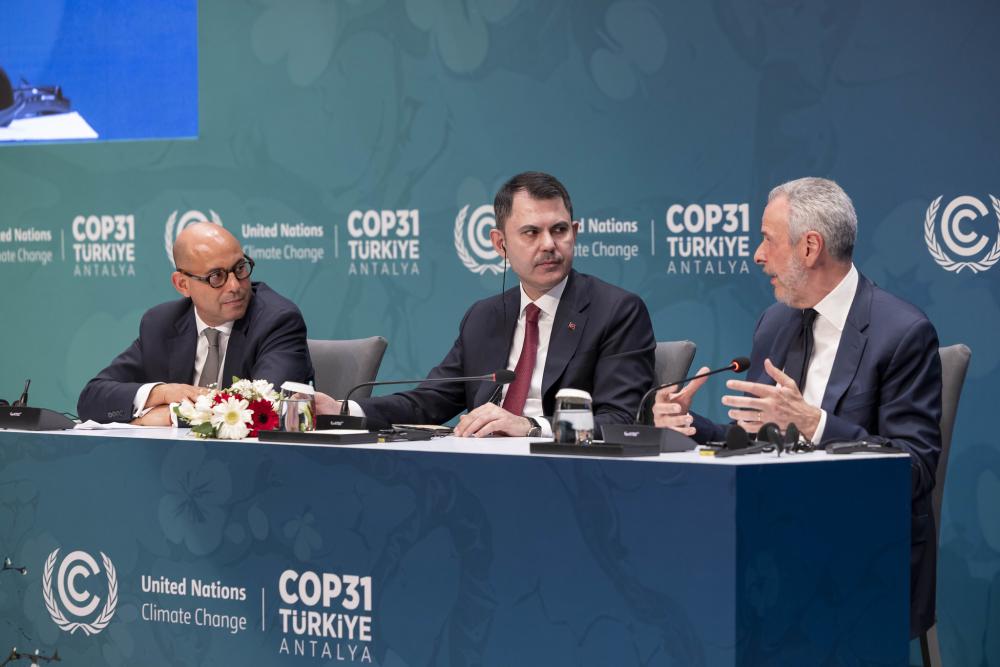
Many of the delegates and observers I spoke to in Antalya were critical of how the presidency approached diplomacy, and in particular the coalition-building that consensus requires on climate finance and on language around fossil fuels.
COP31 exposed how hard it is for the multilateral system to respond to the sheer complexity of the climate crisis.
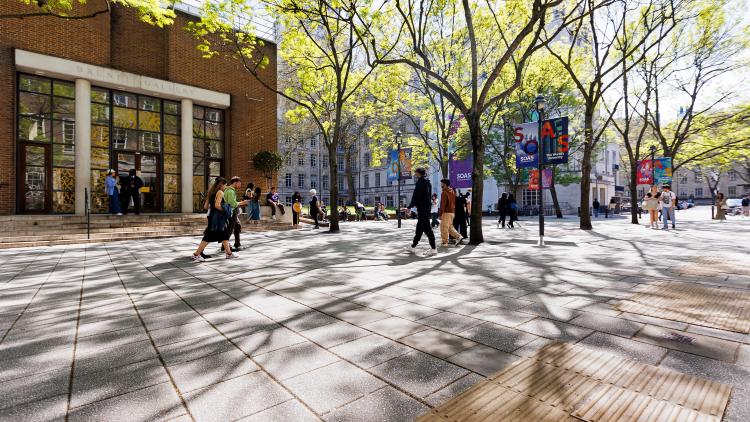
COP31 was held in undeniably difficult geopolitical conditions. Even so, diplomatic strategy, both before and during the summit, will need to improve before Ethiopia hosts COP32 next year. Negotiation is a craft, and it can be taught, studied and sharpened. Training in diplomatic practice, including the kind offered through SOAS's online MA in Global Diplomacy, is one route towards better collective outcomes.
Understanding global development matters
COP31 was a failure to recognise differences in development contexts and pathways. Naturally, petro-states will be protective of their economic interests and fearful of the risks posed by a rapid transition away from fossil fuels. Poorer and small-island nations will prioritise climate resilience whilst demanding action on emissions from those who are causing the majority of emissions (who lie elsewhere).
Richer nations’ failure to take ambitious climate action or provide adequate support to those least responsible is at the root of the climate crisis.
Richer nations’ failure to take ambitious climate action or provide adequate support to those least responsible is at the root of the climate crisis. Central to why the COP process stalled in Antalya is our understanding of how development pathways are different, and how they are shaped by historic and contemporary (uneven) global relationships. Making sense of that requires sustained engagement with development theory and history. This is why the part-time online MSc in Climate Change and Development at SOAS takes that question as its starting point.
Media and messaging matter
Denial of climate science has been a long-running problem for climate action, building upon years of environmental scepticism that sees environmental sustainability as a brake on economic growth and human development.
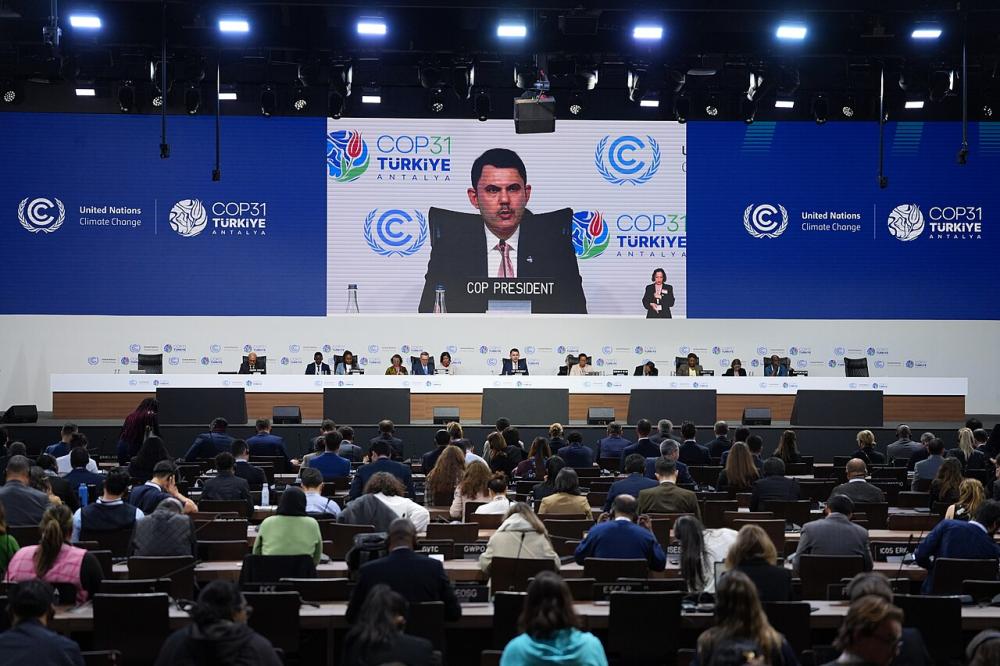
But as climate impacts become more evident and it becomes clearer that they are attributable to human-caused emissions, tactics are moving from denial to delay. Fossil fuel-based economic nations have long sought to delay UNFCCC processes: Linking the urgent agenda items around climate resilience with the needs of rich petrostates to diversify their economies dates back to my time as a negotiator in the early 2000s.
Understanding media and messaging is crucially important to countering these tactics of delay and denial.
Likewise, businesses and investors with fossil fuel assets will employ these tactics to protect and maximise their returns on investment. Understanding media and messaging is crucially important to countering these tactics of delay and denial. Countering delay depends on understanding how narratives are built and spread. Students of the MA in Global Media and Digital Cultures or the MA in Global Data Journalism are well placed to engage with that challenge.
This list is not exhaustive, but understanding diplomacy, development and media are vital tools to push forward long-overdue reform of the COP process so that it drives action rather than lags behind our ongoing efforts to tackle the climate crisis.
Header image credit: Xuthoria via Wikimedia Commons.
About the author
Thomas Tanner is the Professor of Climate and Society in the Department of Development Studies at SOAS University of London.