Archives or their-chives? ‘Rebuilding the truth’ of the Second Sino-Japanese War

Key information
- Date
- Time
-
5:00 pm to 6:30 pm
- Venue
- Russell Square: College Buildings
- Room
- Khalili Lecture Theatre (KLT)
- Event type
- Seminar
About this event
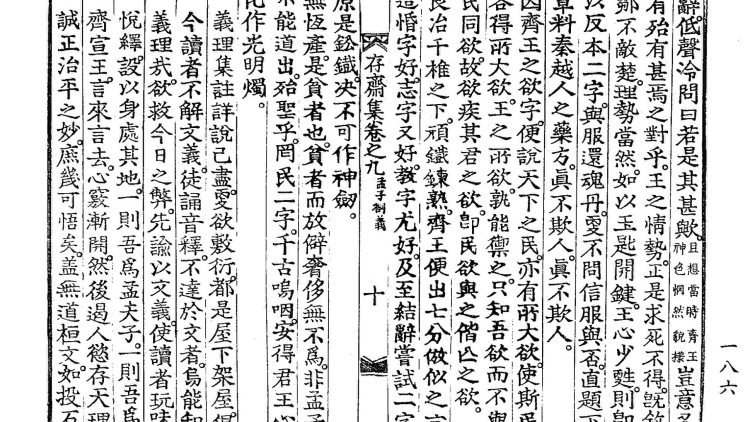
In 1953 construction workers in Changchun, northeast China, unearthed a huge trove of wartime records of the Imperial Japanese Army and Kenpeitai.
Buried hurriedly at the end of the War, these several hundred thousand pages later came to be housed at the Jilin Provincial Archives for decades, before beginning to appear in published collections of translations from 2014 onwards. With c.6,000 pages to date presented to the world in several languages as ‘Irrefutable Evidence’ of various Japanese war crimes, complex questions need answering about how such controversial material should be handled. Delivered by the translator of more than 1,100 pages of these archives, this talk will lead participants to consider questions around the treatment of sensitive historical archives in the context of contemporary geo-politics, the positioning of archival material in our understanding of history, and more.
Header image credit: Japanese Special Naval Landing Forces in Shanghai, August 1937. Photographer unknown, Ministry of the Navy. Public domain. Source: Brent Jones, Rising Sun in the East 1937, via Wikimedia Commons.
About the speaker
Martin Ward (PhD, Hiroshima) is Professor of Chinese and Japanese Translation at the University of Leeds. A published translator of numerous China-related works, including over 1,100 pages of wartime Japanese military documents, contemporary Chinese literature and political discourse, he regularly delivers keynote speeches at conferences in China and elsewhere on translation pedagogy and practice. At Leeds he is also lead for Collaborative Online International Learning (COIL), spearheading the expansion of globally engaged learning opportunities for students in diverse disciplines. Founder and chair of UNICOIL, the UK and Ireland COIL network, he is passionate to see sector-wide transformation through the increased provision of COIL across both countries.