Art and Political Allegiance: Dream Journey to the Peach Blossom Land (Mongyudowondo)
Key information
- Date
- Time
-
5:00 pm to 7:00 pm
- Venue
- Russell Square: College Buildings
- Room
- R301
About this event
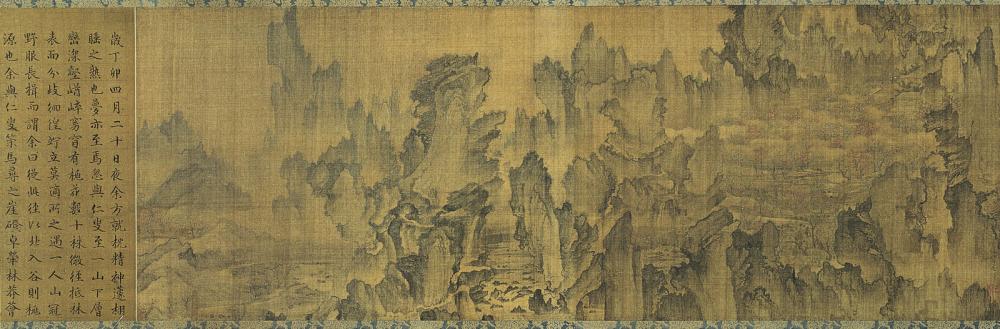
This paper analyses the political dimensions of Dream Journey to the Peach Blossom Land (Mongyudowondo, 夢遊桃源圖, 1447) through the lens of art and power.
The 15th century was Joseon's renaissance: under the reign of King Sejong, the court became a centre of extraordinary cultural flourishing. Yet the transfer of power following Sejong's death was convulsive. This paper examines how, at the heart of that turbulence, the political convictions of the Joseon elite found expression in the language of art.
In 1447, the painter Ahn Gyeon rendered a dream. Prince Anpyeong — third son of King Sejong, patron of scholars, and rival to power — described a nocturnal vision of the Peach Blossom Land, and Ahn Gyeon painted it in a single night. The result is among the most celebrated works in the history of Korean painting. It is also one of the most politically charged.
The paper focuses on the twenty-one colophons appended to the original scroll, composed by the scholars, poets, and officials who formed Prince Anpyeong's cultural circle. I argue that Mongyudowondo functioned not merely as a painting but as a site of political exchange — a space in which allegiance was declared, and solidarity inscribed. The Peach Blossom Land, originating in Tao Yuanming's 4th-century prose poem, had long circulated among the Joseon elite as a legible political idiom. To appreciate the painting, to add one's calligraphy to the scroll, was to make a statement of political affiliation — one that carried, as events would prove, mortal consequences.
Six years after the painting was completed, Prince Suyang staged the Gyeyujeongnan coup of 1453, seized power, and had Prince Anpyeong exiled and executed. The scholars whose calligraphy graces the scroll were arrested, purged, or silenced. The scroll itself eventually left Korea. It now resides at Tenri University in Japan.
The paper traces this movement from dream to execution, asking what it means that the most sustained Joseon meditation on the ideal landscape was produced within — and destroyed by — the violence of dynastic politics. In doing so, it illuminates the relationship between aesthetic vision and political vulnerability in the early Joseon court: a world in which to imagine otherwise was, at once, an act of culture and an act of risk.
예술과 정치적 결속: 《몽유도원도》(夢遊桃源圖)와 15세기 조선의 엘리트 문화
선승혜 (주영한국문화원장)
이 발표는 1447년 제작된 《몽유도원도》의 정치적 함의를 예술과 권력의 관계라는 시각에서 분석한다. 15세기 조선은 세종 치세 아래 문화적으로 크게 번성한 조선의 르네상스였다. 그러나 세종 이후 권력 이양의 과정은 격렬한 정치적 격변을 수반했다. 이 발표는 그 격변의 한가운데서 탄생한 그림을 통해, 엘리트들의 정치적 지향이 예술의 언어로 어떻게 표출되었는지를 살펴본다.
1447년, 화가 안견은 한 편의 꿈을 그림으로 옮겼다. 세종의 셋째 아들이자 학자들의 후원자였으며 권력의 경쟁자였던 안평대군이 복숭아꽃 피는 땅을 헤매는 한밤의 꿈을 전하자, 안견은 그것을 하룻밤 만에 완성했다. 그 결과물인 《몽유도원도》(夢遊桃源圖)는 한국 회화사에서 가장 빛나는 작품 중 하나로 손꼽힌다. 동시에 가장 강렬한 정치적 함의를 품은 작품이기도 하다.
이 발표는 원본 두루마리에 수록된 스물한 편의 제발(題跋)에 주목한다. 안평대군의 문화적 교유권을 이루었던 학자, 시인, 관료들이 남긴 이 글들을 분석하면서, 나는 《몽유도원도》가 단순한 회화 작품을 넘어 정치적 상징의 교환 공간으로 기능했다고 주장한다. 도연명의 4세기 산문시에서 비롯된 도원(桃源)의 세계는 조선 엘리트들 사이에서 하나의 가독 가능한 정치적 언어였다. 그림을 감상하고 제발을 쓰는 행위 자체가 정치적 결속의 표현이었으며, 때로는 목숨을 건 선택이었다.
그림이 완성되고 여섯 해가 지난 1453년, 수양대군이 계유정난(癸酉靖難)을 일으켜 정권을 장악하고 안평대군을 유배 후 사사했다. 두루마리에 글씨를 남긴 학자들은 체포되거나 숙청되거나 침묵을 강요받았다. 두루마리 자체도 마침내 조선을 떠났다. 현재 이 작품은 일본 덴리대학교에 소장되어 있다. 이 발표는 꿈으로 시작하여 죽음으로 끝나는 이 여정을 추적하면서, 조선 초기 궁정에서 미적 비전과 정치적 취약성이 어떻게 하나의 화면 위에 공존했는지를 고찰한다.
Registration
This event is free, open to the public, and held in person only.
Organiser
This event has been organised by the SOAS Centre of Korean Studies. Contact: centres@soas.ac.uk
About the speaker
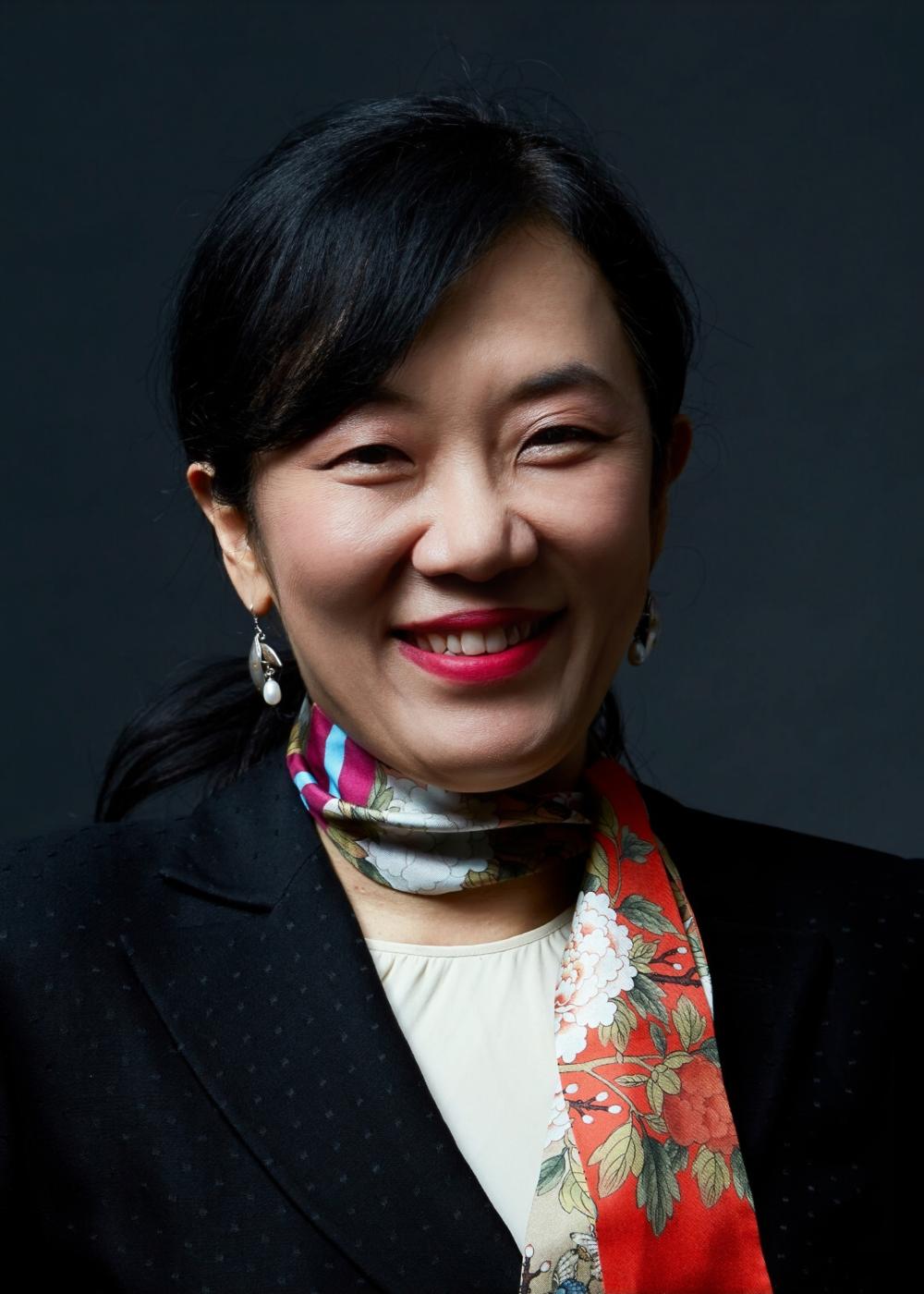
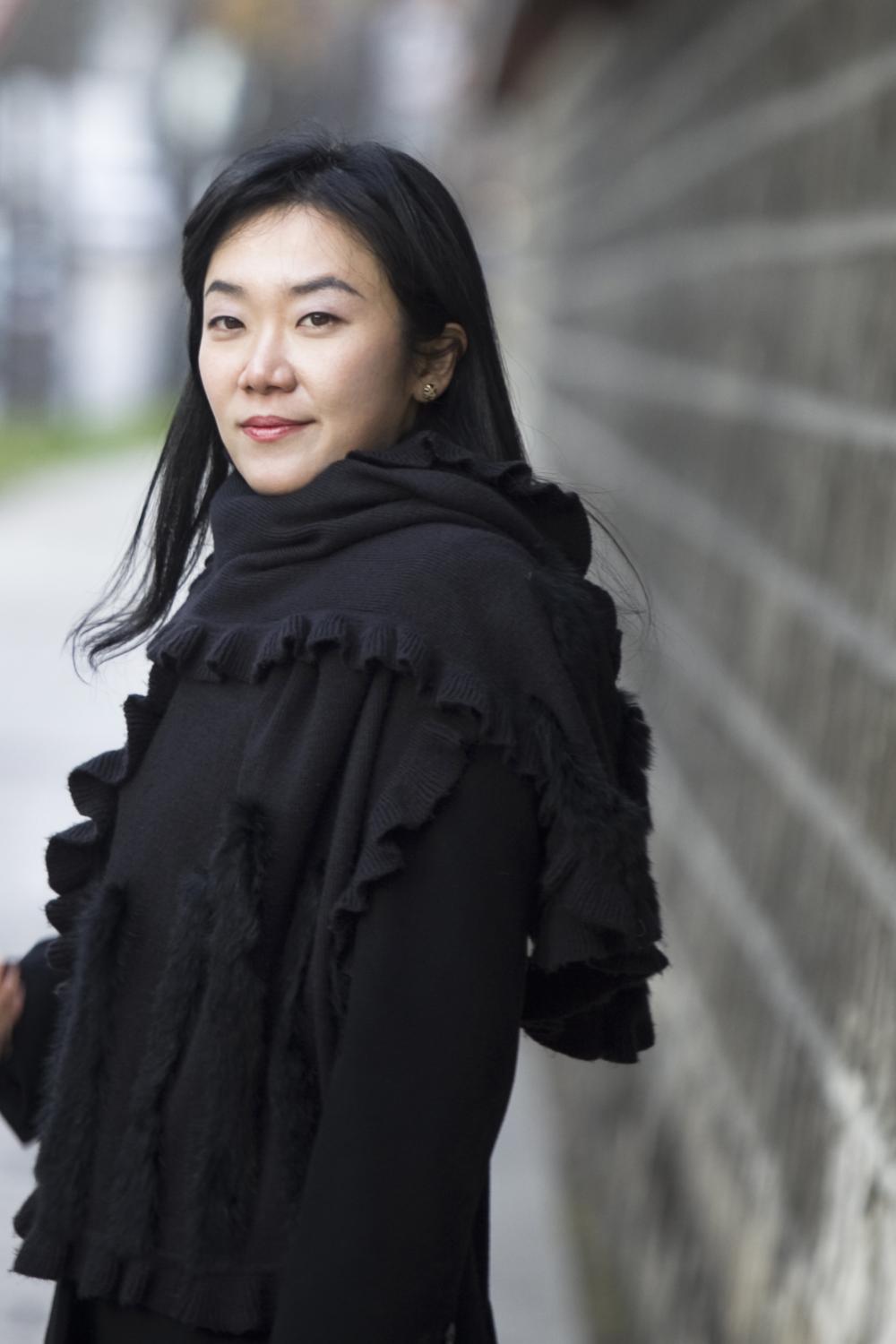
Dr Seunghye Sun FRSA is Director of the Korean Cultural Centre UK and a scholar of Korean visual culture, cultural diplomacy, and the intersection of heritage and contemporary practice. She holds a Master's degree in Aesthetics from Seoul National University, a PhD in Art History from the University of Tokyo, and was a Visiting Fellow at the Harvard-Yenching Institute. She has held positions at the National Museum of Korea, the Cleveland Museum of Art, Seoul Museum of Art, and the Ministry of Foreign Affairs of the Republic of Korea, and has taught at Sungkyunkwan University and Ewha Womans University. Her curatorial and research practice spans early Joseon painting, K-Soft Power, and AI-mediated heritage interpretation.
Image gallery