Building a Global Adaptation Economy

Key information
- Date
- Time
-
4:00 pm to 6:00 pm
- Venue
- SOAS, University of London
- Room
- Alumni Lecture Theatre
About this event
In the ‘beyond 1.5°C’ world, transformative adaptation determines future value for every asset, economy, community, and enterprise. As Singapore’s Sovereign Wealth Fund, the GIC, asserts ‘adaptation is the inevitable investment’.
The Adaptation Economy Imperative
The challenge is not whether but how in the face of multiple headwinds. Governments are fiscally constrained and embracing short-term priorities. Markets are not adequately rewarding adaptation solutions businesses due to mispriced climate and nature risk and policy distortions. Urgently needed are the enabling economic conditions that reward innovators, businesses and investors in delivering, at scale, affordable adaptation solutions.
Needed is a global ‘adaptation economy’ that will provide the opportunities to invest in adaptation to protect and drive future financial and societal value. The adaptation economy is defined in the ‘Rise of the Adaptation Economy’ released in Sao Paulo on the occasion of Brazilian COP30 Presidency by Morphosis, Fundação Getulio Vargas and The Paulson Institute, supported by the Instituto Itausa, as the ‘activities, policies and institutions that deliver the goods, services and systems that advance inclusive prosperity in a climate-impacted world’.


Session framing
This session, co-hosted by the SOAS Centre for Sustainable Finance and Morphosis will explore the key features of adaptation economies and the actions needed to make them happen by policy-makers, regulators, innovators, and market actors.
In particular, the session will address inter alia the following questions:
- Does transformative adaptation require a ‘whole economy’ approach, and if so what might that look like, conceptually and illustratively?
- How might a future adaptation economy be different from today’s global economy in a future world severely disrupted by climate change.
- How can policy and regulatory action create markets that reward adaptation solution businesses and attract commercial capital.
- How can the international climate negotiations and associated action agenda best embrace and catalyze adaptation markets and economies.
Speakers
- Alice Amorim, Director, Brazilian COP30 Presidency
- Amal-Lee Amin, Managing Director & Head of Climate, Diversity and Advisory, British International Investment
- Marcelo Furtado, Head of Sustainability at Itaúsa and Executive Director at Itaúsa Institute
- Catherine Gamper, Climate Change Adaptation Lead, OECD
- Simon Zadek, Managing Partner, Morphosis
- Ulrich Volz, Professor of Economics, SOAS
Header image credit: Geranimo via Unsplash.
Registration

About the Speakers
Alice Amorim, Director, Brazilian COP30 Presidency
Alice Amorim is Programme Director of the COP30 Presidency. Alice began her career in the financial sector as a lawyer at Icatu Holding S/A and has over a decade of experience in the field of international and sustainable development, working with civil society, academia and philanthropy. Before joining the COP30 team, she was Head of the Extraordinary Advisory Office for COP30 at Brazil's Ministry of the Environment and Climate Change. She was Director of Partnerships and Communications at iCS - Instituto Clima e Sociedade and Chair of the Board of the Foundations 20 Platform. She also coordinated the iCS Climate Policy and Engagement Programme, was Senior Climate Leader at WINGS, where she coordinated the global #PhilanthropyForClimate movement and spent a year as a Humboldt Chancellor Fellow working with Lisa Badum (Green Party) in the German Parliament. Alice has a degree in Law from the State University of Rio de Janeiro (UERJ) and a Masters in Late Development Economic Policy from the London School of Economics (LSE).
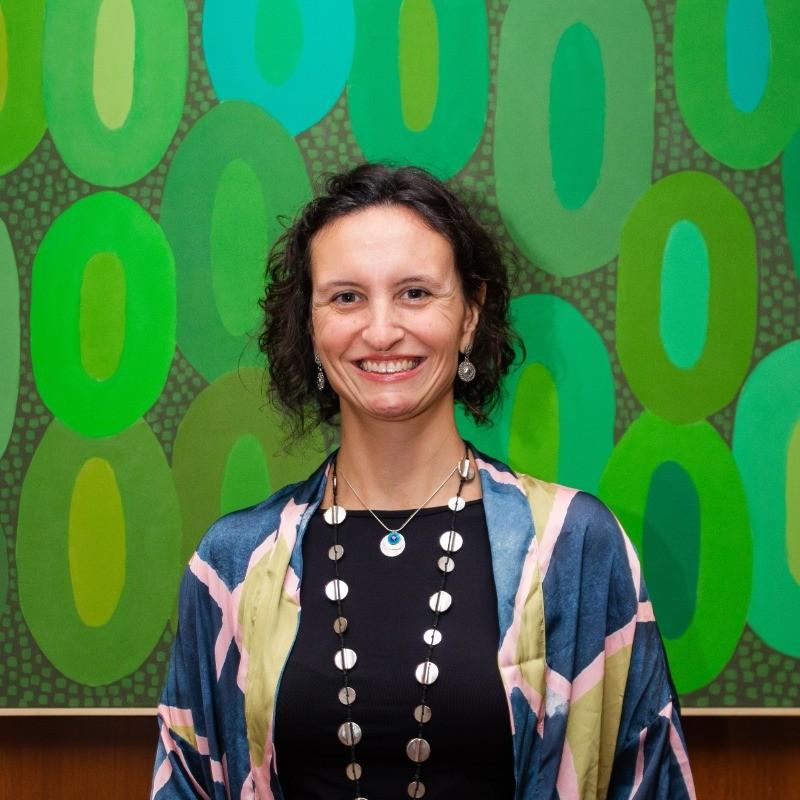
Amal-Lee Amin, Managing Director & Head of Climate, Diversity and Advisory, British International Investment
Amal-Lee Amin joined British International Investment in February 2020 to lead implementation of the climate strategy for aligning to the goals of the Paris Agreement. A passionate advocate for sustainable development, she now also leads teams on gender and diversity and advisory. Amal-Lee has had senior advisor roles including the UK’s COP26 Presidency, the Green Climate Fund and is currently a member of the independent High Level Expert Group on Climate Finance, the OECD Advisory Group on Climate and Economic Resilience and the UAE’s Independent Climate Change Accelerator. From 2015-2020 Amal-Lee was Chief of Climate Change at the Inter-American Development Bank, working across the MDB system to scale climate finance in developing countries. For 10 years Amal-Lee led policy on sustainable energy and climate change in key roles within the UK Government’s Cabinet Office, DECC, DEFRA and Foreign and Commonwealth Office. From 2010-15 Amal-Lee developed E3G’s international climate finance programme, with focus on China and Latin America.
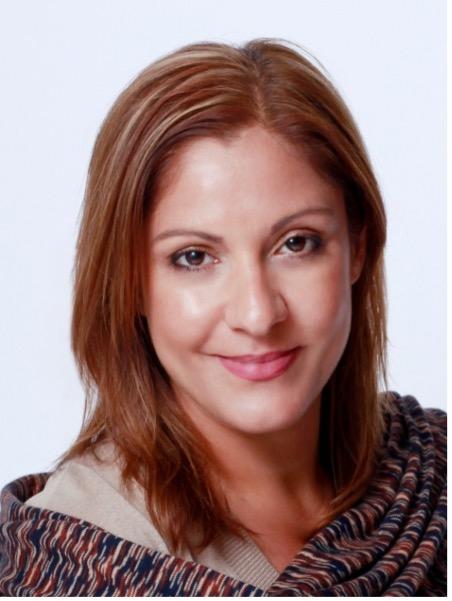
Marcelo Furtado, Head of Sustainability at Itaúsa and Executive Director at Itaúsa Institute
Marcelo Furtado is Head of Sustainability at Itaúsa and Executive Director of the Instituto Itaúsa. With more than three decades of international experience in environmental leadership, he previously served as Executive Director of Greenpeace Brazil and held global leadership roles at Greenpeace International. He also led the Arapyaú Institute and the Alana Foundation. He currently serves on the Sustainability Committees of Dexco and MBRF Global Foods. Marcelo also serves on the boards of Conectas Human Rights and the Sovereignty and Climate Center, is Senior Advisor to NatureFinance, and co-founded the Brazilian Coalition on Climate, Forests and Agriculture.
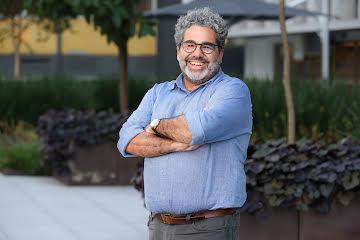
Catherine Gamper, Climate Change Adaptation Lead, OECD
Catherine Gamper leads the OECD’s work on Climate Change Adaptation and Resilience, overseeing a programme that supports governments in managing climate risks and developing and implementing increasingly ambitious adaptation policies. She has played a leading role in establishing climate adaptation as a strategic area of OECD policy engagement, creating and steering the OECD Task Force on Climate Change Adaptation, which brings together policymakers, experts and international organisations to advance adaptation policy and practice across countries. An economist by training, Catherine has nearly two decades of experience working at the intersection of climate change, disaster risk management and public policy. Her work focuses on the economics of adaptation, resilience investment and public finance, and over the course of her career, she has worked with governments across OECD and partner countries to help them strengthen their capacity to anticipate, manage and recover from climate-related risks. Prior to her current role, she led the OECD’s work on disaster risk prevention and resilience. Before joining the OECD, she worked at the World Bank on local governance and disaster risk management and conducted research on climate adaptation and environmental economics in Austria. Catherine holds a PhD in Public Economics from the University of Innsbruck.
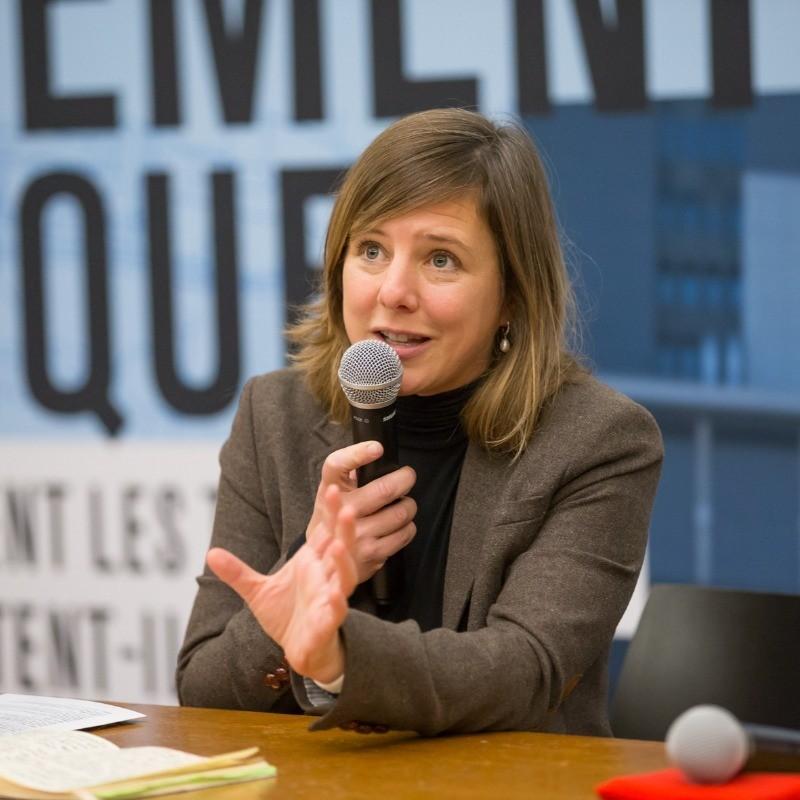
Simon Zadek, Managing Partner, Morphosis
Simon Zadek is a co-founder and Managing Partner of the Geneva-based adaptation investment platform, Morphosis, and was until recently was the founding Chief Executive of Geneva based non-profit organisation, NatureFinance. Currently he is a member of the Club of Rome, a Senior Fellow at the Paulson Institute, an Honorary Fellow at the Hoffmann Centre for Global Sustainability at the Geneva Graduate Institute, and a Senior Advisor at the Taskforce for Nature related Financial Disclosure. He has had leadership roles with the UN, including being the Co-Director of the UNEP Finance Inquiry, the Senior Advisor on Sustainable Finance in the Executive Office of the UN Secretary General, and the lead on the UN Secretary General’s Taskforce on Digital Financing of the SDGs. He was the Sherpa of the G20’s green finance work track under the Chinese, German and Argentinian Presidencies. He is widely published, and has had various academic roles including at JF Kennedy School for Government, Tsinghua School for Economics and Management, and the Singapore Management University.
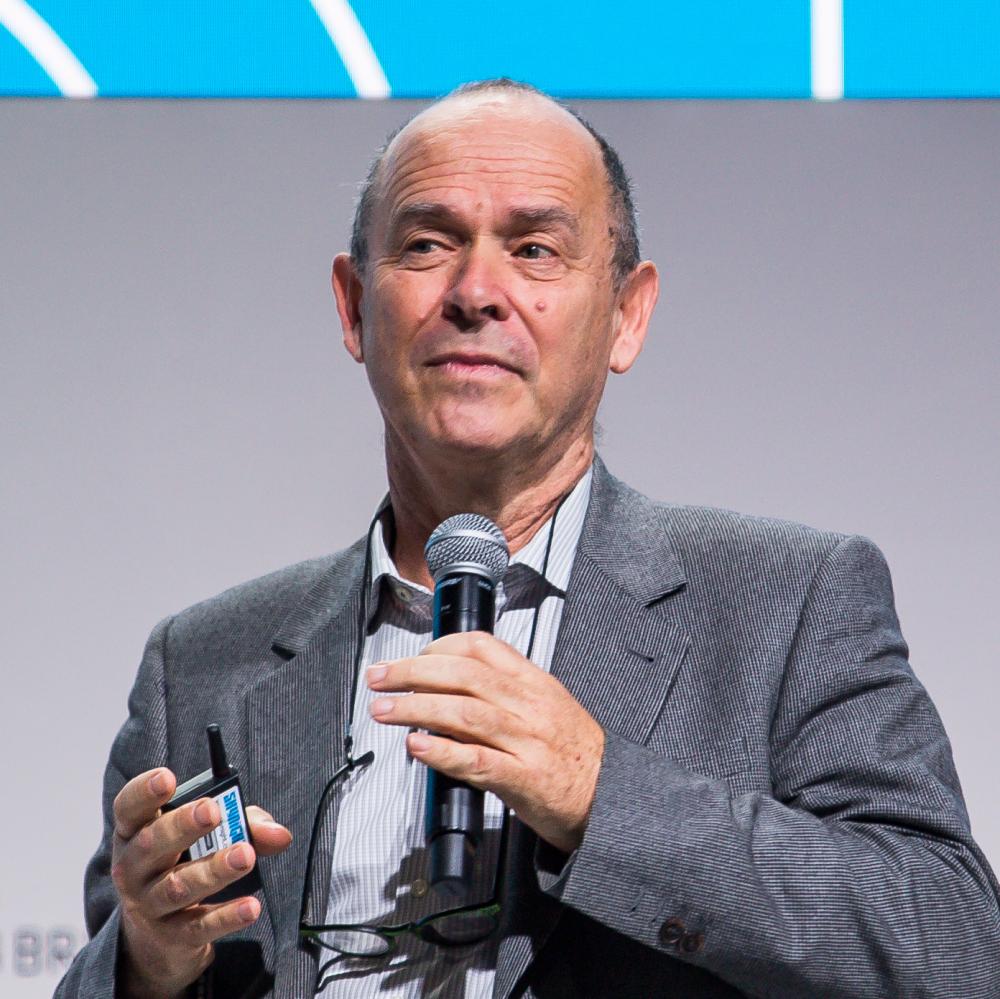
Ulrich Volz, Professor of Economics, SOAS
Ulrich Volz is Professor of Economics and Director of the Centre for Sustainable Finance at SOAS University of London. He is also a Senior Research Fellow at the German Institute of Development and Sustainability, Visiting Professor at the London School of Economics and Political Science, Honorary Professor of Economics at the University of Leipzig, Research Fellow at the Centre for Economic Policy Research, and Fellow at DIW Berlin. At SOAS, he previously served as Head of the Department of Economics and Member of the University’s Executive Board. Ulrich is academic director of the University Network for Strengthening Macrofinancial Resilience to Climate and Environmental Change, and a co-chair of the Debt Relief for a Green and Inclusive Recovery initiative. He serves on the Economic Advisory Network of the German Federal Ministry for Economic Cooperation and Development, the High-Level Friends Group Private Climate Finance for Development, the advisory panel of the Glasgow Financial Alliance for Net Zero (GFANZ), the International Advisory Committee for the Climate/SDGs Debt Swap Mechanism of the UN Economic and Social Commission for Western Asia (UN ESCWA), and the Alliance for Financial Inclusion’s Research Advisory Council for Inclusive Green Finance. Ulrich was Banque de France Chair at the École des Hautes Études en Sciences Sociales (EHESS) in Paris, and taught at Peking University, Kobe University, Hertie School of Governance, Freie Universität Berlin, Central University of Finance and Economics, and the Institute of Developing Economies (IDE-JETRO). He spent stints working at the European Central Bank and European Bank for Reconstruction and Development and held visiting positions at the University of Oxford, University of Birmingham, Aoyama Gakuin University, ECB, Bank Indonesia, Bank Negara Malaysia and the Asian Development Bank Institute, where he previously served on the Advisory Council. Ulrich served as co-chair of the Global Research Alliance for Sustainable Finance and Investment and was a member of the Sustainable Finance Advisory Committee of the German Federal Government, the UN Inquiry into the Design of a Sustainable Financial System, the NGFS-INSPIRE Study Group on Biodiversity and Financial Stability, and the World Bank’s Green Recovery Monitoring and Evaluation Technical Working Group. In 2024, Ulrich was appointed by the Brazilian G20 Presidency to the Group of Experts of the G20 Taskforce on a Global Mobilization against Climate Change (TF-CLIMA). He has acted as an advisor or consultant to numerous governments, central banks, international organisations (including the International Monetary Fund, the World Bank, the Asian Development Bank and the United Nations) and development agencies on matters of macroeconomic policy, climate risk and sustainable finance, and financial sector development. Ulrich obtained a doctorate in economics from Freie Universität Berlin and was a Fox International Fellow and Max Kade Scholar at Yale University.