Contextualising Jahandar Shah and the 'Later' Mughals of Banaras

Key information
- Date
- Time
-
6:15 pm to 7:15 pm
- Venue
- KLT, SOAS Main Building
- Event type
- Seminar
About this event
Join us for a talk by Professor Malavika Kasturi on Banaras’s Mughal past, revealing the city’s cosmopolitan histories.
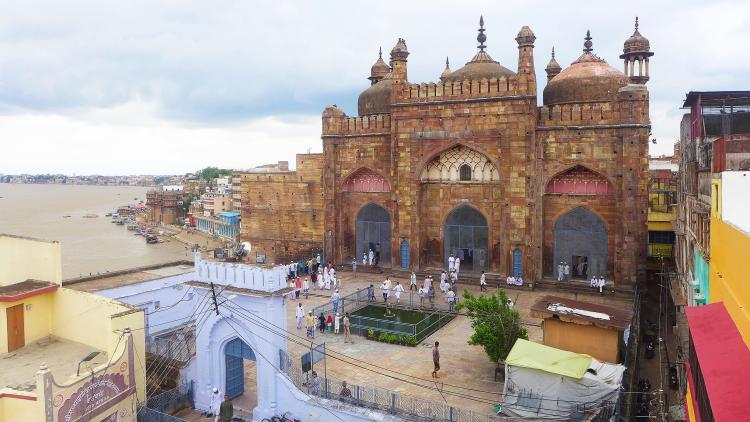
Banaras is largely perceived and understood as a Hindu 'sacred space’ par excellence. This talk highlights the city’s cosmopolitan past and present through a discussion of its Mughal political pensioners who have lived in the city since the 18th century.
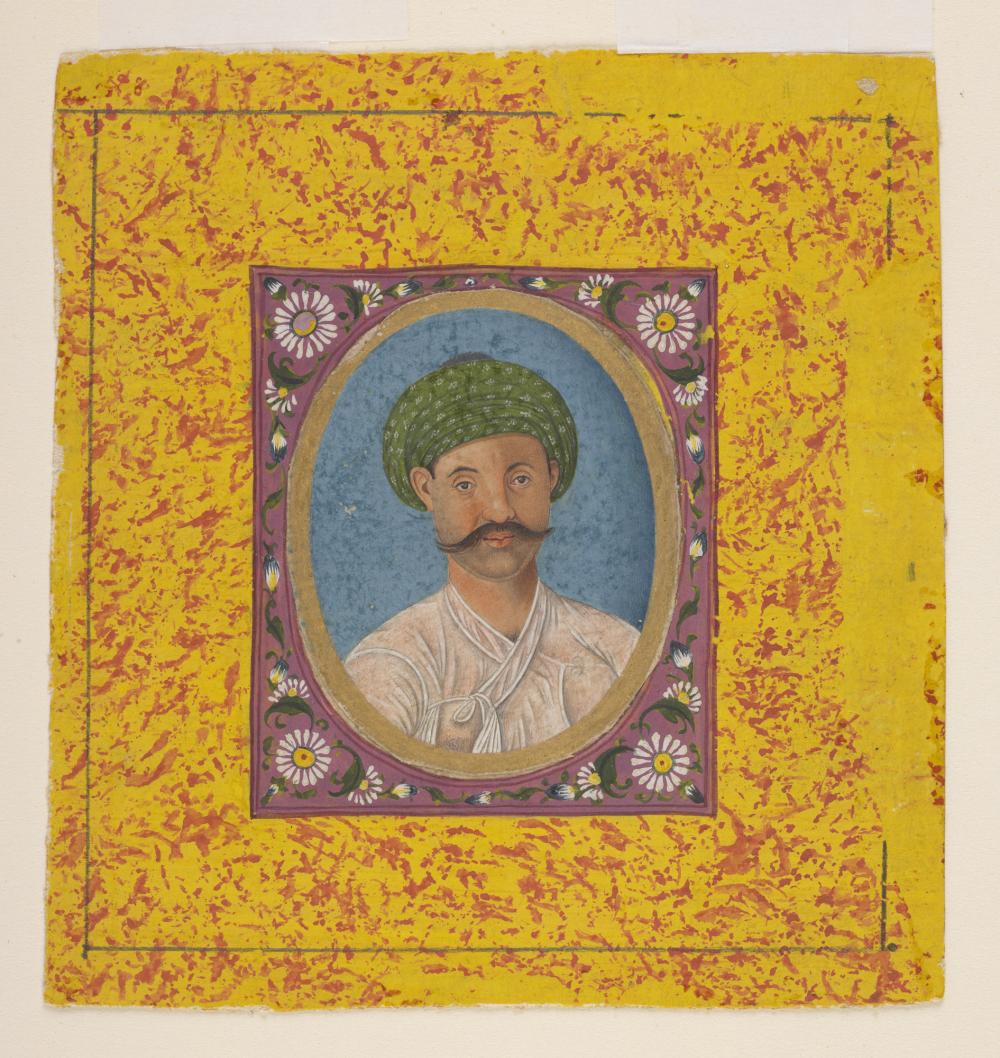
In the 1780s, Shahzada Jahandar Shah, also known as Jawan Bakht, the eldest son of Shah Alam II and his deputy, was swept along by the vicissitudes of fortune as his father became the political tool of the Marathas, amongst others. In 1784, Jahandar Shah sought temporary shelter with his households, retainers and army in Nawabi Lucknow and then in British territory, namely Banaras, where he died in 1788. His descendants have lived in the city ever since.
Professor Kasturi will contextualise and frame Jahandar Shah and his descendants, the ‘Mughals’ of Banaras in their times and in ours, to draw attention to the manifold pasts of pilgrimage cities like Banaras.
Registration
This event is free to attend but you must register
Mughal Banares exhibition
'Mughal Banaras: Forgotten Histories, Troubled Present' is a photography exhibition exploring Banaras’s overlooked Mughal past and present. On view from 15 January to 21 March, it brings together archival research and contemporary photography to reveal hidden sites, communities and fragile histories beyond the city’s sacred image.
About the speaker
Malavika Kasturi
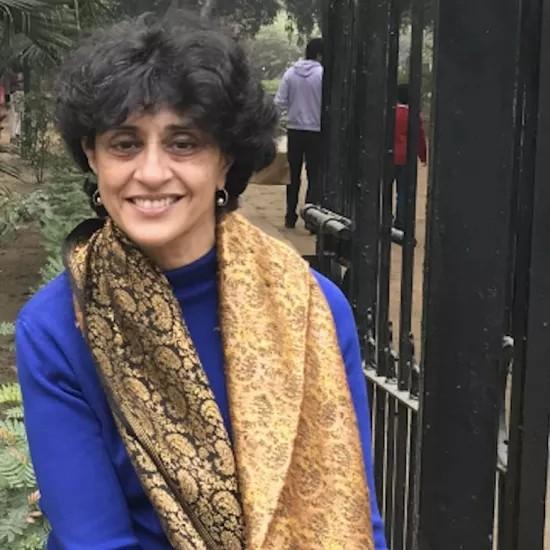
Malavika Kasturi is Associate Professor at the Department of History at the University of Toronto, Canada, where she teaches South Asian history. Her research focuses on Banaras’s urban history, public memory, the history of households, and the relationship between religion and Hindu nationalism on which she has published extensively. Since 2010, she has conducted extensive archival and ethnographic research in Banaras, on the history of the Mughal descendants of Crown Prince Jahandar Shah, from which this exhibition draws. Her next book is Mughal Banaras: Jahandar Shah, the ‘Later’ Mughals and Public Memory.