How has East Asia responded to the fallout from the war against Iran?

Key information
- Date
- Time
-
5:00 pm to 6:30 pm
- Venue
- Paul Webley Wing
- Room
- Alumni Lecture Theatre (SALT)
- Event type
- Seminar
About this event
The joint US-Israeli air campaign against Iran had not only resulted in the effective closing of the Strait of Hormuz but also changed the world.
With vibrant and trade-dependent economies, the major countries in East Asia – China, Japan and Korea – are deeply affected. They are confronted with much more than just disruptions in energy, trade, and supply chains. Japan and Korea are major non-NATO allies of the USA, which have seen US forces or weapons redeployed to the Middle East.
As the only peer or near-peer competitor to the USA, the US disruption of internal norms and stability raise serious questions for China. How do these countries see the conflict and what are they prepared to do to protect their national interests? How have these key players in East Asia responded the fallout? This panel discussion, drawing on expertise from within SOAS, will explore and discuss these and other related questions.
Registration
This event is open to the public and free to attend; however, registration is required. This panel discussion is taking place on campus and will not be recorded or live-streamed.
Organiser
This event has been co-organised by the SOAS China Institute, SOAS Japan Research Centre, SOAS Centre for Korean Studies and SOAS Middle East Institute.
About the panellists
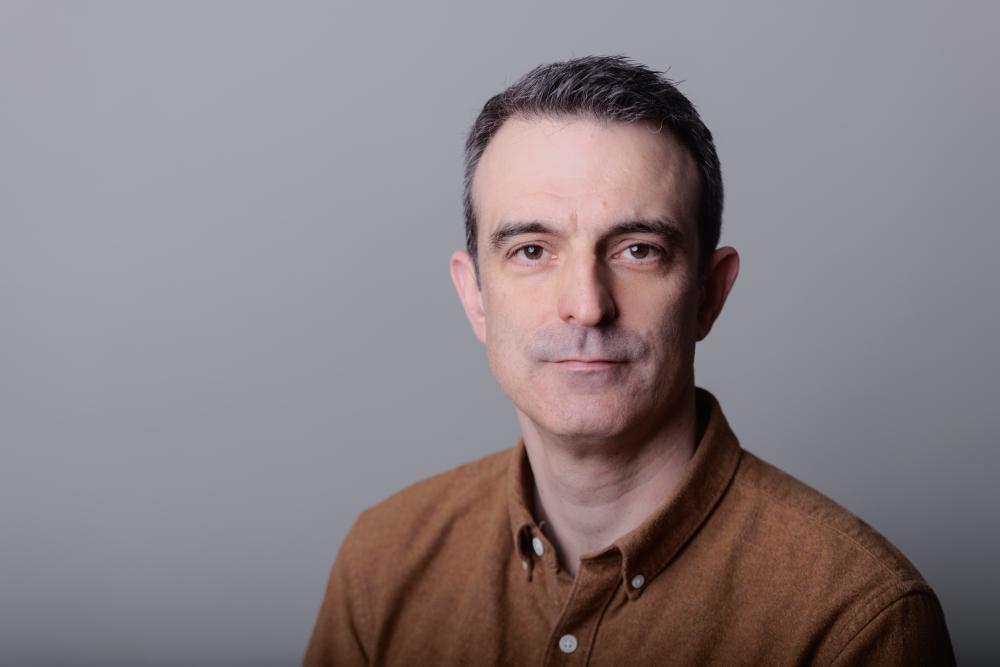
Owen Miller has taught at SOAS since 2011. Prior to that he was a postdoctoral researcher at the University of Cambridge. He specialises in the social and economic history of modern Korea and teaches courses including: ‘The Other Korea: North Korea since 1945’, ‘East Asian Imperialisms’, and ‘The Making of Modern Korea’. His research interests include: the social history of North Korea; the urban and commercial history of Seoul; and Korean historiographies. He has recently completed a manuscript examining the history of the North Korean industrial city of Hŭngnam.
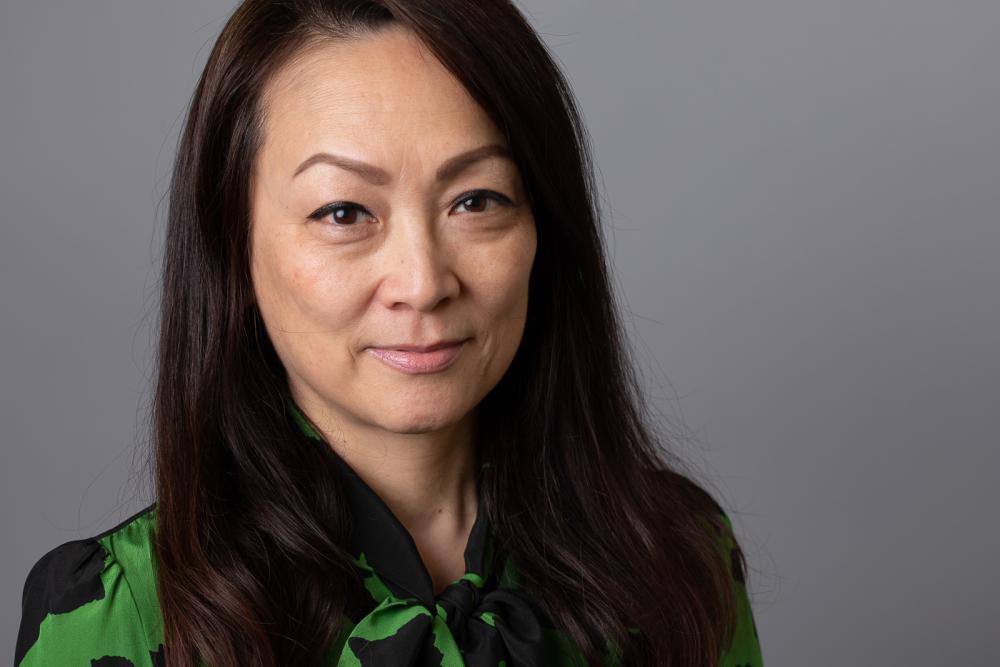
Satona Suzuki is a Senior Lecturer in Japanese and Modern Japanese History at SOAS. Her research interests include the rise of modern Japan, with a particular focus on imperialism, militarism, ideology and religion. Suzuki also teaches Advanced Japanese, exploring current issues in Japan, including constitutional revision, security and gender. As these topics are often closely tied to Japan's imperial legacy and postcolonial challenges, she's particularly interested in connecting the past and present within a global context.
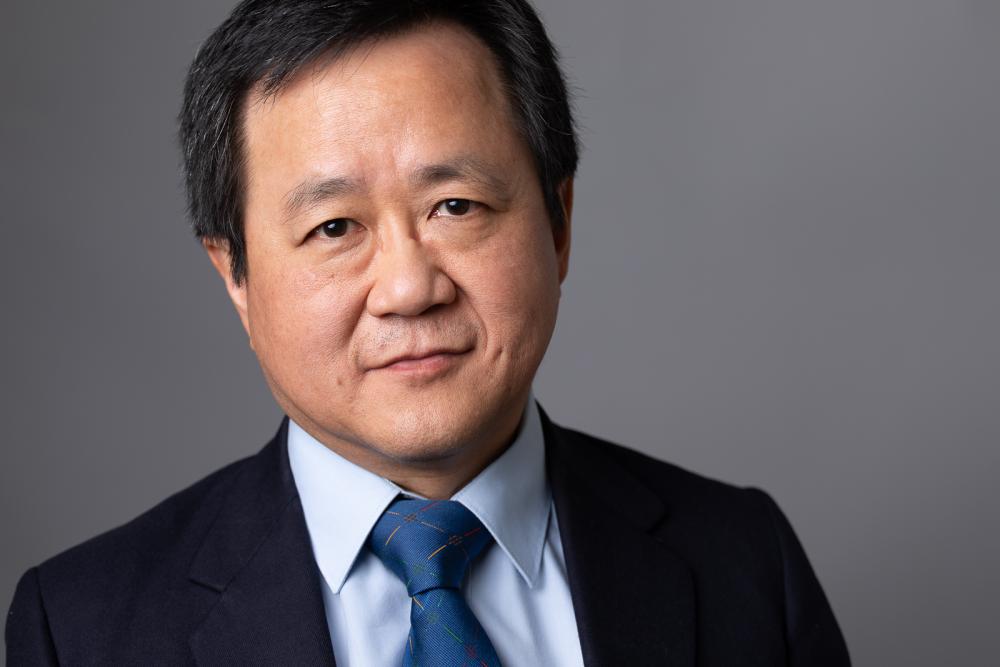
Steve Tsang is Professor of China Studies and Director of the SOAS China Institute, and a Fellow of the Academy of Social Sciences. He previously led the China Policy Institute and the School of Contemporary Chinese Studies at the University of Nottingham, and spent 29 years at Oxford University. He has authored or edited numerous books. His recent work with Olivia Cheung, The Political Thought of Xi Jinping (2024), examines contemporary Chinese political ideology; their next book on China’s global strategy appears in 2026.
About the moderator
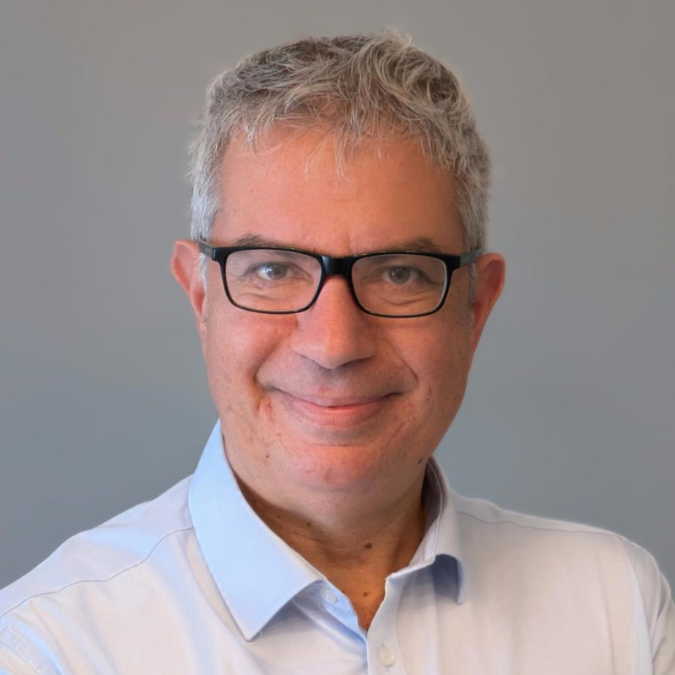
Adam Hanieh is Director of the SOAS Middle East Institute, MBI Jaber Chair of Middle East Studies, and Professor in the Department of Development Studies at SOAS. Previously, he held a joint professorship in Middle East Studies at the University of Exeter and Tsinghua University. He serves on the Board of Directors of MERIP and is a Research Fellow at the Transnational Institute in Amsterdam. His recent book, Crude Capitalism (Verso, 2024), co-won the 2025 American Sociological Association award for Best Book by an International Scholar.
Contact
Email: sci@soas.ac.uk.