The Man Who Stole the Gods: A round table discussion on the looting and restitution of Khmer antiquities

Key information
- Date
- Time
-
5:30 pm to 7:00 pm
- Venue
- Russell Square: College Buildings
- Room
- RG01
- Event type
- Seminar
About this event
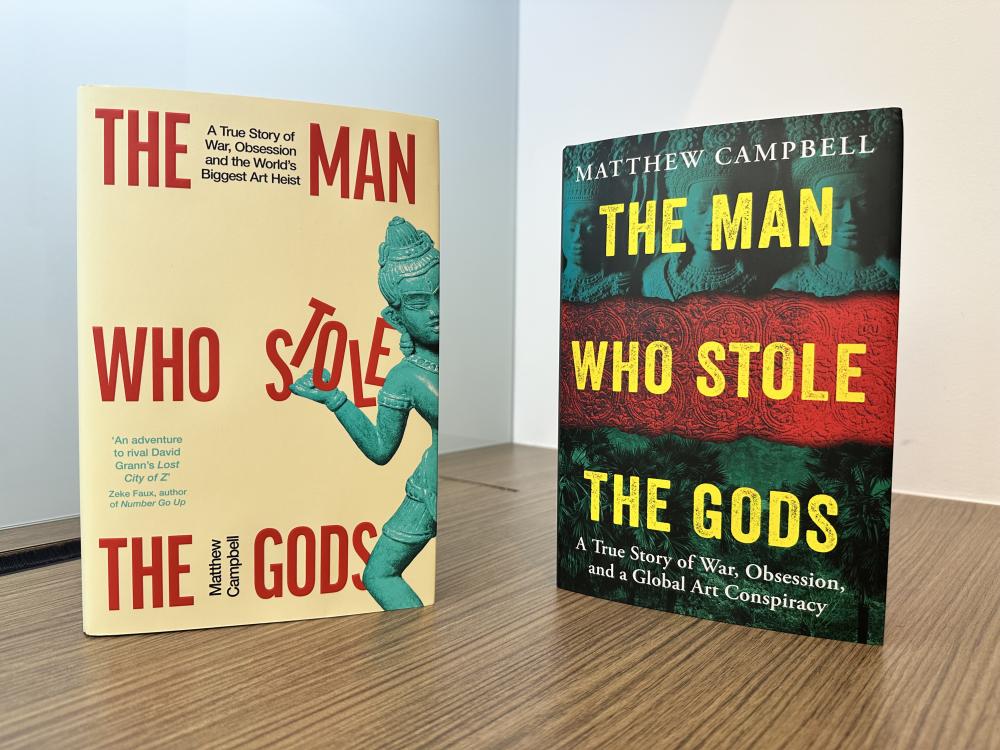
Join us as we sit down with award-winning reporter Matthew Campbell to discuss his latest book The Man Who Stole the Gods: A True Story of War, Obsession, and a Global Art Conspiracy. We will also be joined by Professor Ashley Thompson and PhD student Pim Fitzpayne to explore issues raised by the book in relation to the art history and archaeology of Hindu-Buddhist Southeast Asia.
Amidst the chaos of Cambodia’s brutal genocide, a new crime wave emerged—one that would sweep across borders and entangle the world’s most prestigious art institutions. Priceless treasures of the ancient Khmer Empire, the civilization that produced Angkor Wat, vanished from sacred temples, looted by smugglers and trafficked into the hands of elite collectors. At the center of it all was a man named Douglas Latchford.
Known later as “Dynamite Doug” for the ruthless methods used to extract statues from temple ruins, Latchford orchestrated one of history’s most audacious cultural heists. From dusty Cambodian villages to the glittering auction houses of London and New York and institutions like the Met, he played a double game—posing as an expert on Khmer art while secretly flooding the market with stolen antiquities.
In The Man Who Stole the Gods, award-winning journalist Matthew Campbell unravels the gripping, stranger-than-fiction story of Latchford’s criminal enterprise, and a global conspiracy of greed, corruption, and complicity—one that involves some of the world’s most powerful museums, collectors, and auction houses.
A masterful blend of true crime, history, and investigative journalism, drawing on years of reporting and more than 100 interviews, The Man Who Stole the Gods is the definitive account of one man’s greed, an industry’s complicity, and the fight to expose the truth and restore stolen treasures to their rightful home.
Organisers
Jointly organized by CSEAS and the SOAS-Alphawood Asian Art Programme, this lecture series invites leading experts to share their latest insights and research on Hindu-Buddhist Southeast Asia. The series is hybrid in format consisting of both in-person and online lectures.
This year’s series is convened by Dr Melissa Carlson | SOAS and Pim Fitzpayne | SOAS.
Funding for this lecture series has been kindly provided by the Alphawood Foundation.
Header image: Ray Rui via Unsplash
About the speakers
Matthew Campbell
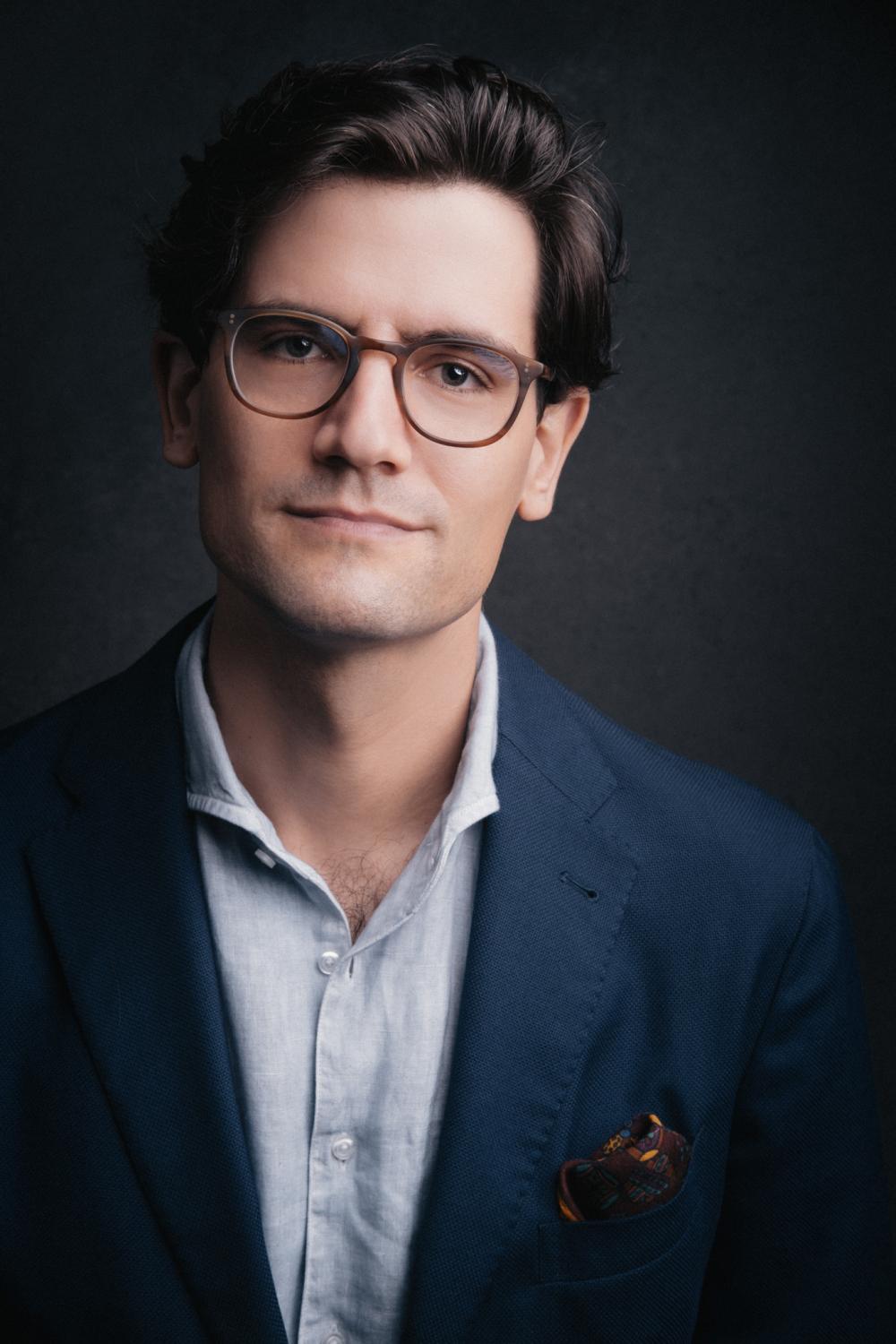
Matthew Campbell is an award-winning reporter for Bloomberg Businessweek and the author of The Man Who Stole the Gods: A True Story of War, Obsession, and a Global Art Conspiracy. His previous book, Dead in the Water—co-authored with Kit Chellel—was selected as a Book of the Year by The Economist, the Financial Times, and The Times. Matt has reported from more than twenty-five countries on topics including crime, corruption, terrorism, economics, public health, and the environment. His work has been recognized with some of the most prestigious honors in journalism. He and Chellel won Gerald Loeb and Overseas Press Club awards for their coverage of Goldman Sachs’s business dealings with Libyan dictator Muammar al-Qaddafi, and Matt has also received National Press Club, SOPA, and SABEW awards for feature and investigative reporting.
He is a seven-time Loeb finalist in addition to his win with Chellel, and in 2022 was a finalist for a National Magazine Award for public interest reporting. Matt was also a 2025 Jonathan Logan Family Foundation Fellow at New America. Born in Canada, Matt was educated at Yale, where he graduated with a B.A. in political science, and at Oxford, where he received an M.Phil in politics. He lives in Singapore with his family.
Professor Ashley Thompson
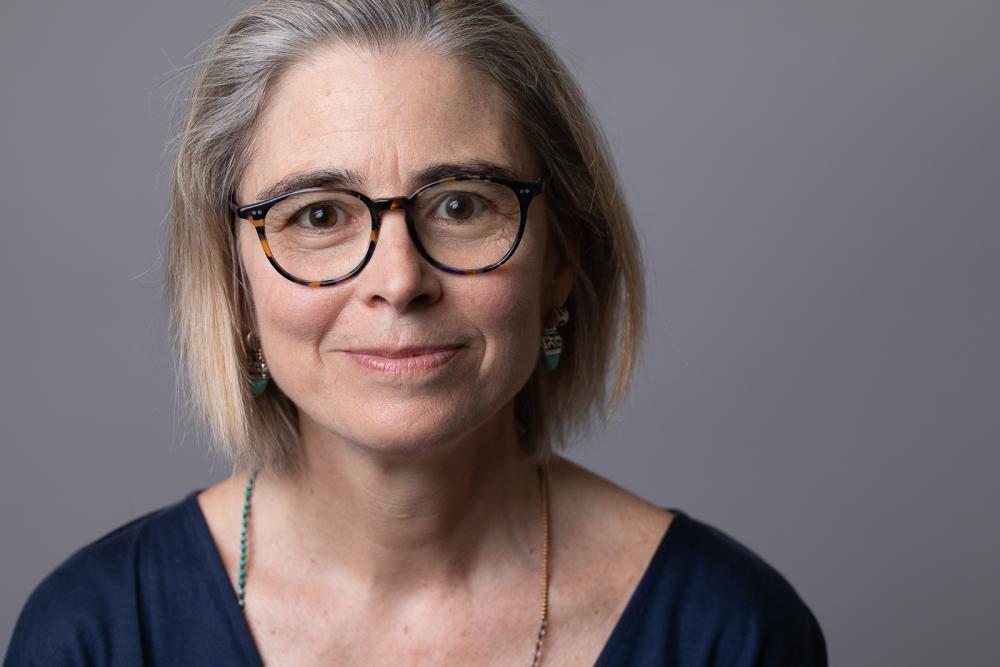
Professor Ashley Thompson is the Hiram W. Woodward Chair in Southeast Asian Art, at the Department of History of Art and Archaeology. She was the Principle Investigator on a collaborative research project funded by the Getty Foundation’s Connecting Art Histories Scheme: Circumambulating Objects: on Paradigms of Restitution of Southeast Asian Art.
Over the years she has maintained a sustained focus on premodern Cambodian arts and literatures, and complemented this with more punctual work on the contemporary period and the arts of the larger Southeast Asian region. Her research is informed by deconstruction and psychoanalysis, and revolves around questions of memory, political and cultural transition, sexual difference and subjectivity.
Pim Fitzpayne
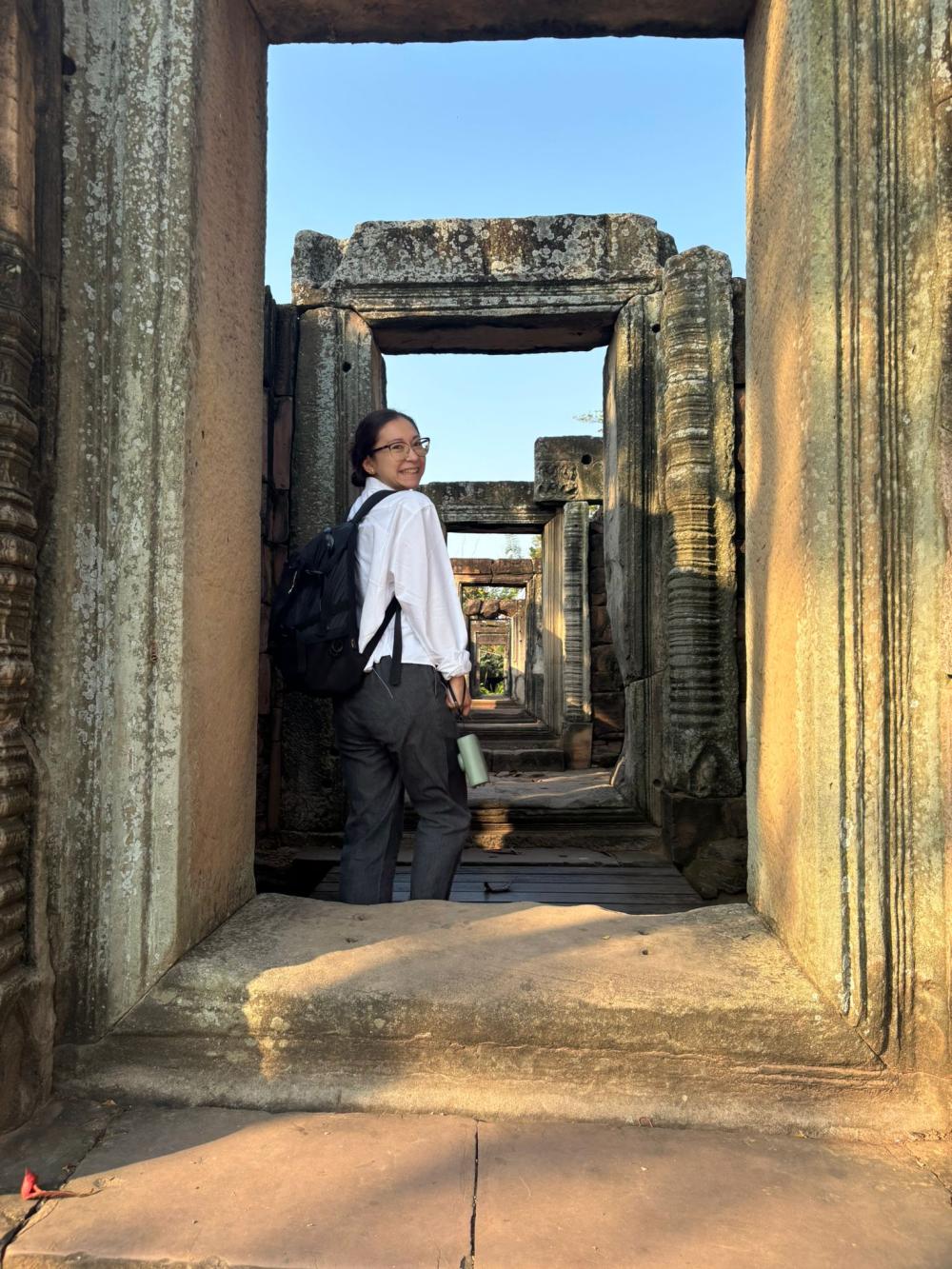
Pim Fitzpayne is a PhD candidate in the Department of History of Art and Archaeology at SOAS, University of London. Her research, generously funded by CHASE-AHRC, investigates the demand for and commodification of (authentic) Khmer art through the question of ‘fakes’, exploring conceptions of the ‘fake’ and the ‘authentic’ as they overlap in Khmer art history and the market for Khmer sacred art. Pim is particularly interested in questions of restitution and critical museology, with a focus on Southeast Asia. She has undertaken a provenance research project on the British Museum’s Cambodian collections with the Getty-funded Circumambulating Objects programme, and in 2024 completed an AHRC doctoral training placement at the Victoria and Albert Museum, researching the provenance of objects in the museum’s Southeast Asia collections. Prior to beginning her PhD, Pim gained several years’ experience as a finance lawyer and worked as a researcher at the Commission for Looted Art in Europe.
Stephen A Murphy (Moderator)
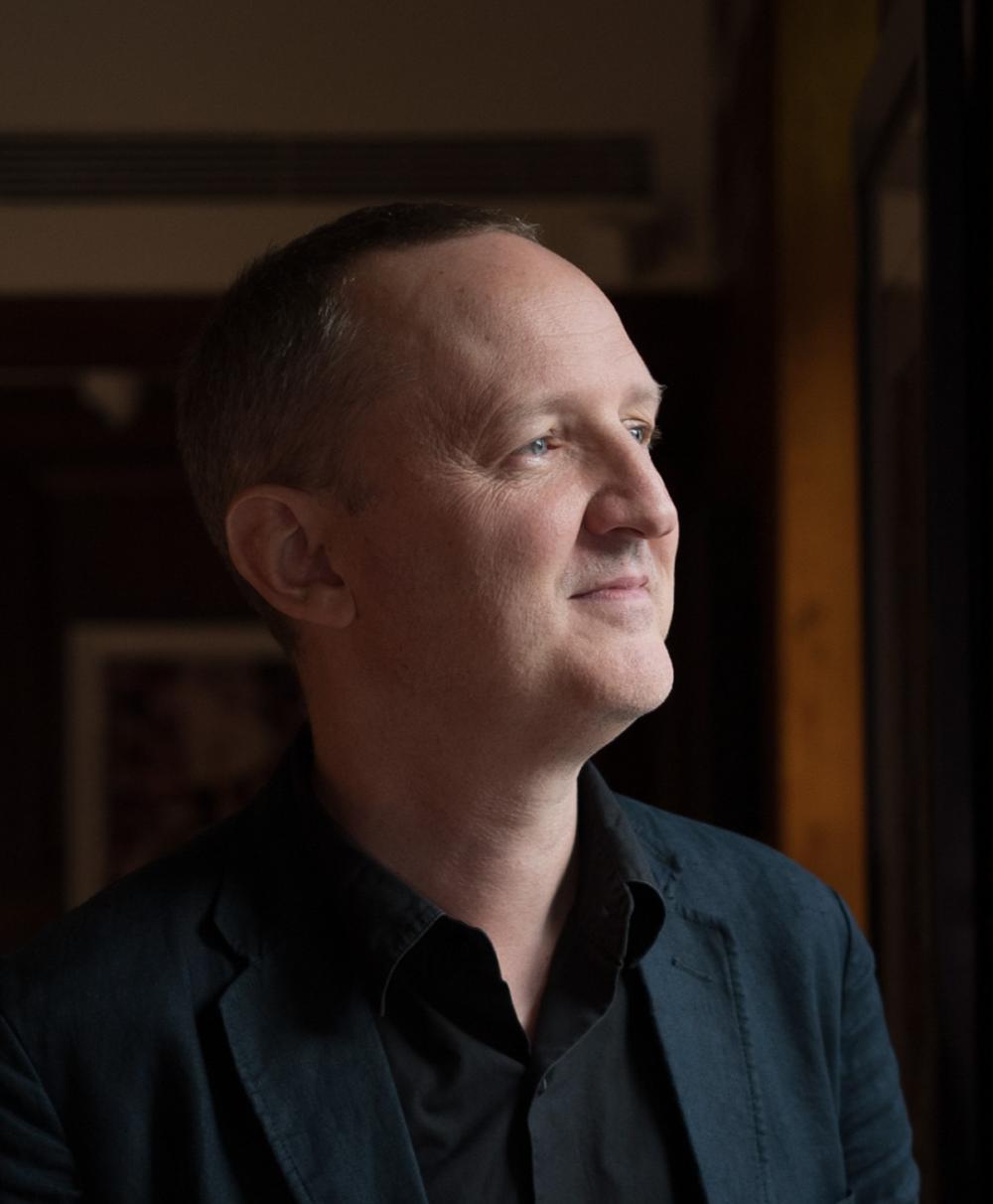
Stephen A Murphy is the Chair of the Centre of Southeast Asian studies, Deputy Head of School of Arts and Pratapaditya Pal Reader (Associate Professor) in Curating and Museology of Asian Art. He specialises in the art and archaeology of Buddhism and Hinduism in first millennium CE Southeast Asia with a focus on Thailand and Laos.
He has a particular interest in the 7th to 9th centuries CE as well as maritime connectivity between Southeast Asian cultures, Tang China, and the Indian Ocean world in general. His museological focus engages with issues of restitution and curation of Asian art.