Object in Focus: The Living Tradition of Bagan Lacquerware
Key information
- Date
- Time
-
1:00 pm to 2:00 pm
- Venue
- To be confirmed
- Event type
- Seminar
About this event
This in-person workshop with Malar Win Maung introduces participants to the traditional lacquerware practices of Bagan, including bamboo and rare horsehair weaving techniques, etching, and material analysis. Through close object study, the session also situates lacquerware as a living tradition, highlighting its cultural significance, craftsmanship, and role in community development and women’s empowerment in Myanmar.
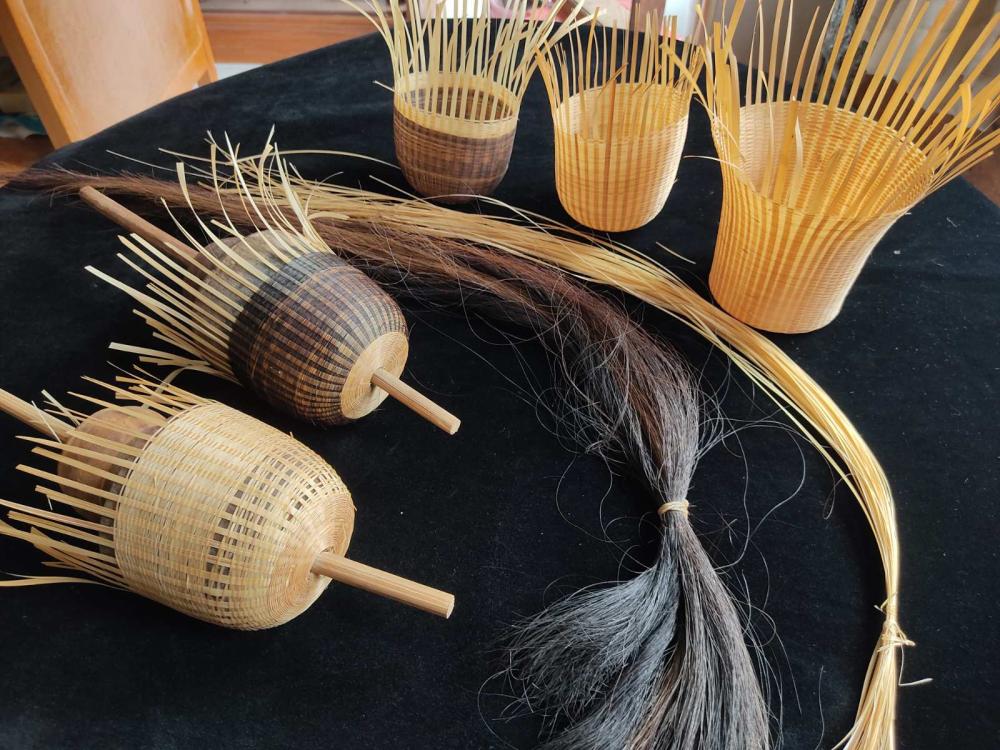
Would you like to learn more about Myanmar lacquerware and how it is made? Or perhaps how to identify the differences between bamboo-based and rare horsehair lacquer techniques by closely inspecting an object?
Join us for a special session exploring the traditional lacquerware craftsmanship of Bagan, a practice that dates back to the 11th century. This workshop will focus on the unique techniques of bamboo weaving, horsehair weaving, and etching.
Participants will have the opportunity to examine lacquer objects closely and learn how structure, material, and surface decoration reveal information about craftsmanship, durability, and cultural context. Particular attention will be given to horsehair lacquerware, a rare and highly skilled technique known for its flexibility, strength, and lightweight quality.
The session will also explore lacquer as a living tradition: its role in community development, intergenerational knowledge transmission, and women’s empowerment in rural Myanmar.
Event location
This event is in-person, held at SOAS. the location will be shared with registered attendees the day before the event.
About Malar Win Maung
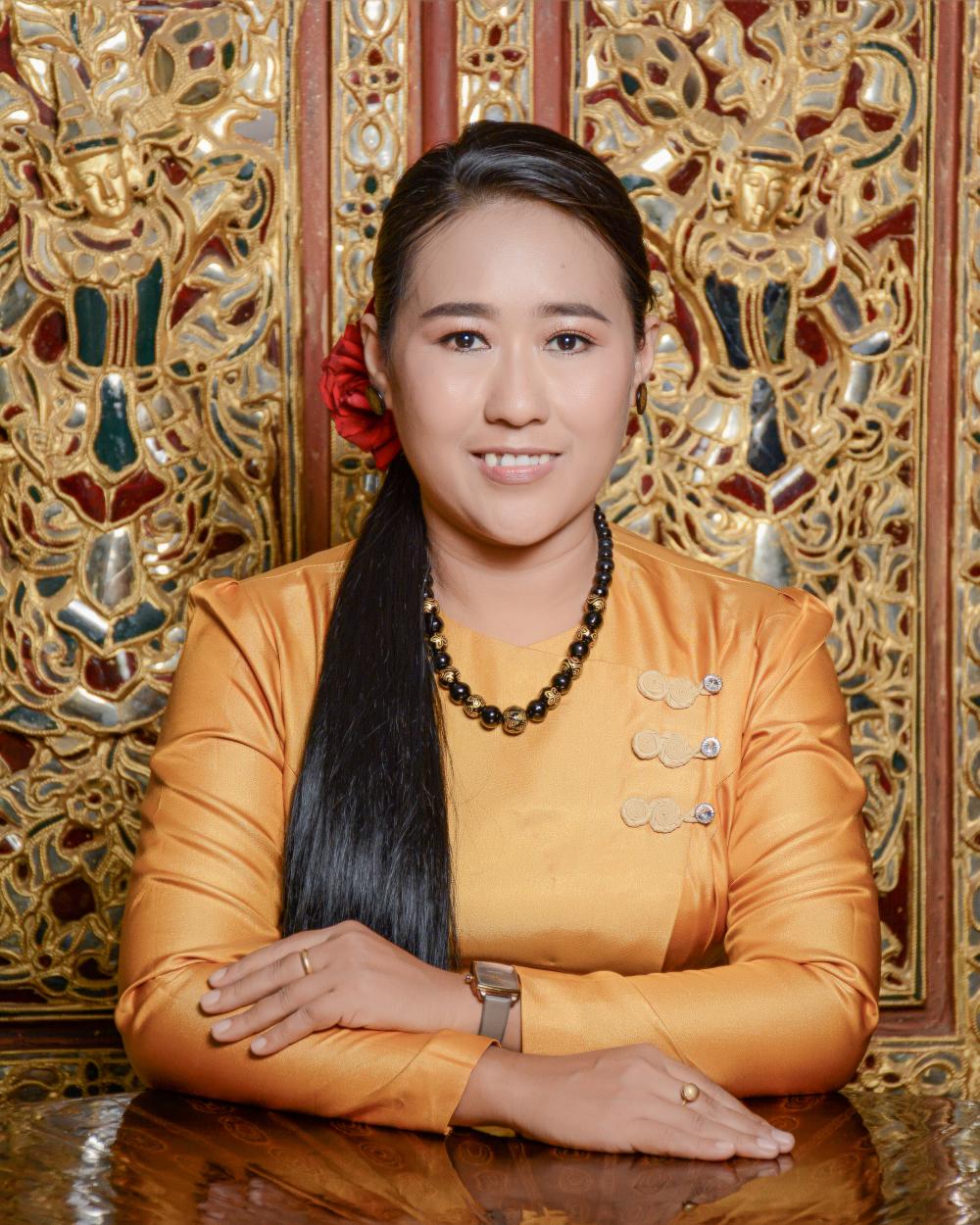
Malar Win Maung is a second-generation lacquer artisan from Bagan and represents Ever Stand Lacquerware, established in the 1980s. She began practicing detailed etching techniques at an early age and has since dedicated her work to preserving and evolving Myanmar’s lacquer traditions.
She has participated in international research and exchange programmes, presenting and teaching Burmese lacquer techniques across Asia and Europe. Her work has included collaborations with design institutions in Italy, teaching engagements in Taiwan and Bhutan, and participation in international arts and crafts education forums in China.
She also played a key role in securing the Geographical Indication (GI) recognition for the Myanmar Lacquerware Association, strengthening the protection and recognition of Bagan lacquerware.
Beyond artistic production, her practice is deeply connected to community development. Through vocational training initiatives, she supports youth employment and women’s empowerment in rural Myanmar, ensuring that lacquer remains both a cultural heritage and a sustainable livelihood.
About Lacquerware Tradition of Bagan
The lacquer tradition of Bagan dates back nearly a millennium. Historically used for domestic, ceremonial, and religious purposes, lacquerware reflects both technical mastery and cultural meaning.
The production process involves weaving a base structure from bamboo or horsehair, applying multiple layers of natural lacquer resin, polishing between layers, and finishing with techniques such as etching, pigment filling, or gold leaf application. The process is labor-intensive and requires weeks, sometimes months, to complete a single object.
Today, Bagan lacquerware continues to evolve while maintaining its traditional methods, serving as an important example of Southeast Asian material culture and living heritage.