CPAS hosts policy roundtable on vigilantism in the Lake Chad Basin

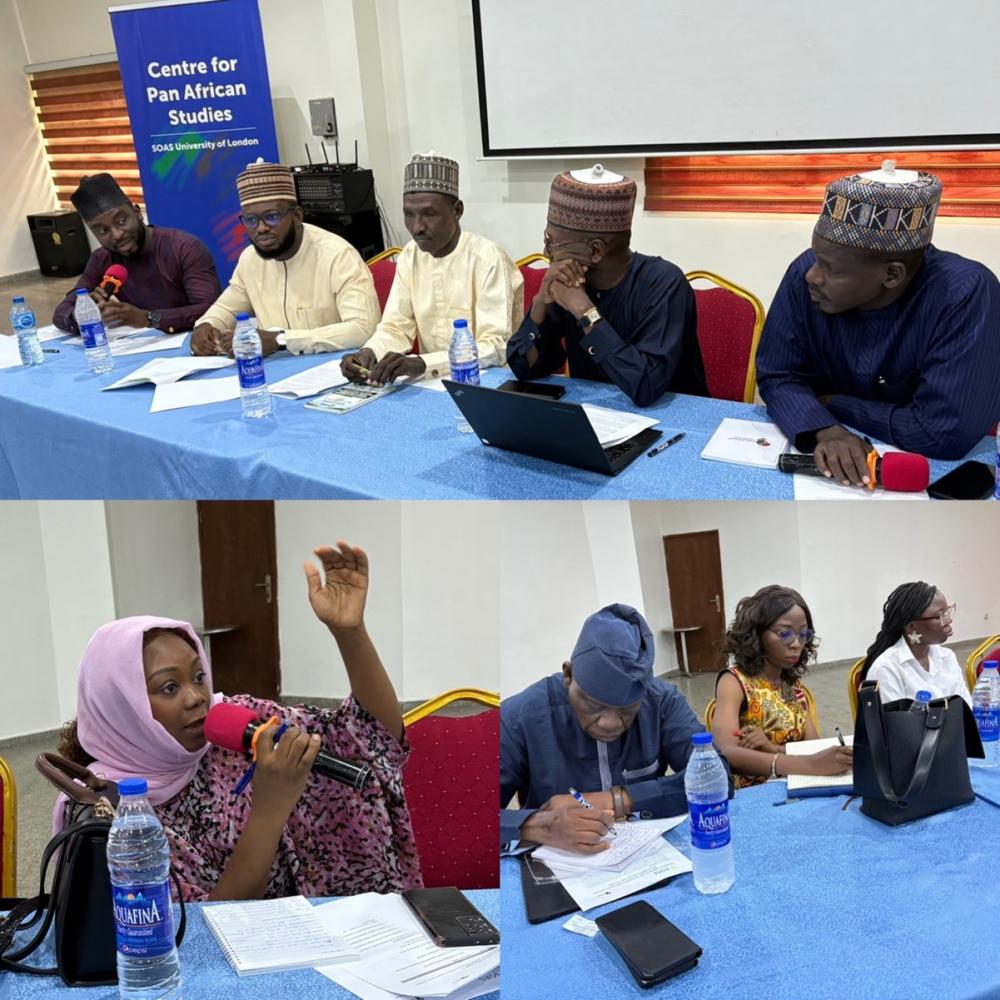
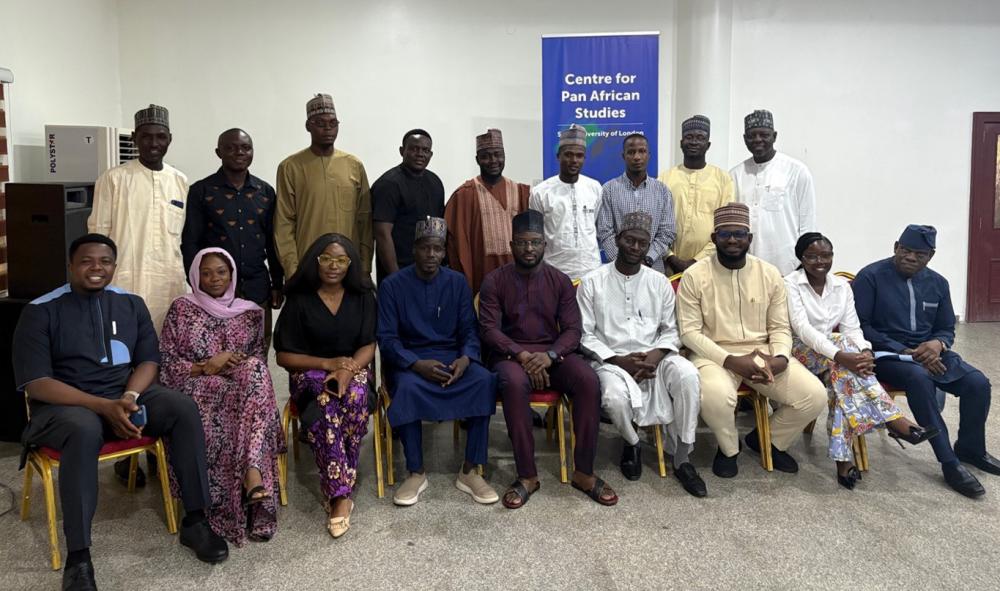
On 29 April 2025, the Centre for Pan-African Studies (CPAS) at SOAS, led by Dr Abdul Wando, convened a policy roundtable in Abuja, Nigeria, to examine the role of vigilante groups in the Lake Chad Basin.
Titled “Balancing Vigilante Empowerment and Oversight,” the event focused on the increasing involvement of community-based security actors in the region and the policy challenges and opportunities their presence presents. The session also featured the presentation of ongoing research into the dynamics of informal security provision in conflict-affected areas.
Bringing together participants from academic, policy, civil society, and security backgrounds, the roundtable created space for critical dialogue on both the practical contributions and risks associated with vigilante engagement. It was broadly acknowledged that vigilante groups often emerge in response to state absence, especially in rural areas where insecurity linked to Boko Haram remains acute. Their role in protecting communities and sharing intelligence with formal security actors was seen as significant, particularly where trust in official institutions is limited.
However, participants also raised serious concerns about the lack of oversight and regulation. Issues such as human rights violations, gender-based violence, and the potential for power abuses were noted as ongoing challenges. The discussions further warned of the long-term risks posed by the normalisation of vigilantism, including the erosion of state authority and the difficulty of demobilising such groups once established.
Across the sessions, there was a strong call for the development of clear, context-specific policy frameworks that can both support the positive contributions of vigilante groups and ensure accountability, legal compliance, and integration with broader peace and security strategies.
A policy brief based on the roundtable discussions is currently in preparation and will offer practical recommendations for stakeholders working at local, national, and regional levels.
CPAS roundtable