“Decolonisation is not a single event, it is a process”: Mahmood Mamdani speaks at SOAS


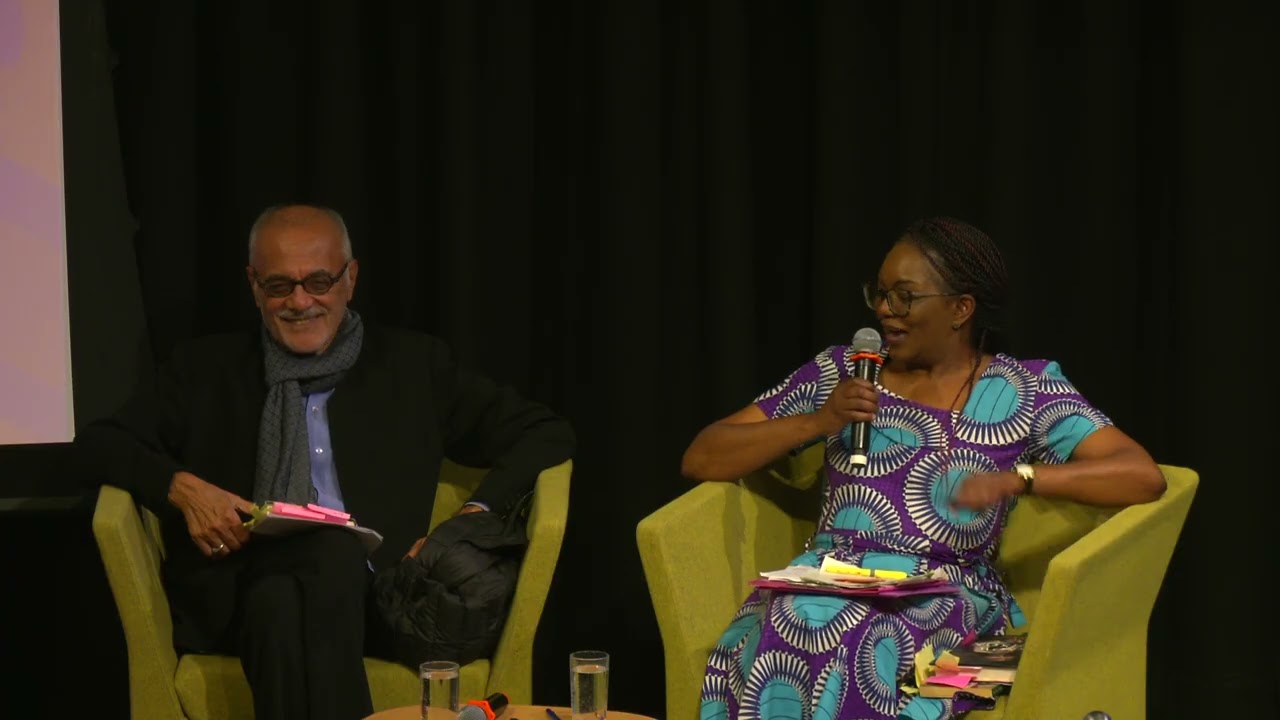
Last month, SOAS welcomed Mahmood Mamdani to discuss the long-fought process and complexities surrounding decolonisation in Uganda, exploring how colonial systems continue to shape post-independence, politics and identity in the country and across the continent.
Speaking with Professor Fareda Banda, Mamdani provided vital historical insights and critical perspectives from his latest works ‘Slow Poison: Idi Amin, Yoweri Museveni, and the Making of the Ugandan State’.
Colonial rule did not create citizens - it created subjects. The problem we face is how to turn subjects into citizens.
The discussions began with a focus on Uganda and how governance, laws and political institutions in the nation are affected by colonial-era systems. Mamdani also delved into his own first-hand accounts of Uganda’s postcolonial trajectory, across Idi Amin’s rule to the long leadership of Yoweri Museveni, stating “Colonial rule did not create citizens - it created subjects. The problem we face is how to turn subjects into citizens.”
In what he described as “an orgy of violence” unfolding in the wake of Amin’s rise to power - a regime supported by former colonial powers including Britain and Israel - Mamdani recounted Amin’s attempt to deepen division of minorities across both Black and Asian Ugandans.
Mamdani did affirm that there is no one size fits all approach to decolonisation, “Decolonisation is not a single event—it is a process.” Mamdani added, and that it “remains unfinished” as a process across the continent.
The discussion marked for further conversations to be had amongst institutions, policymakers and society as a whole, to challenge narratives on decolonisation.