Students return from study tours examining political and social realities in East Africa and Asia


Students have returned from experiencing the political and social realities in countries in East Africa, Central and South Asia as part of a new series of study tours offered at SOAS.
SOAS researchers from the Department of Politics and International Studies with decades-long research and fieldwork experience have enabled students to gain access to sensitive spaces in Rwanda, India and Kazakhstan and Kyrgyzstan.
The study tours were designed by experts and created to enhance postgraduate students’ understanding and experience of the political, economic, cultural and social dynamics in these regions.
One of the students returning from the Central Asia tour, Yukine Tsuru, an MA student of International Studies and Diplomacy, said: “The areas are mostly governed by authoritarian regimes. In Almaty, one of the most poignant moments of the tour was our visit to the Republic Square. This site was the scene of a mass anti-government protest, and the bronze statue in the square bears a bullet hole as a reminder of the violent events.”
Such an immersive experience in politically sensitive spaces was only possible through the deep expertise and networks of SOAS academics, who have been working with long-standing local collaborators for many years.
Any researcher working in politically sensitive spaces will know how much trust matters.
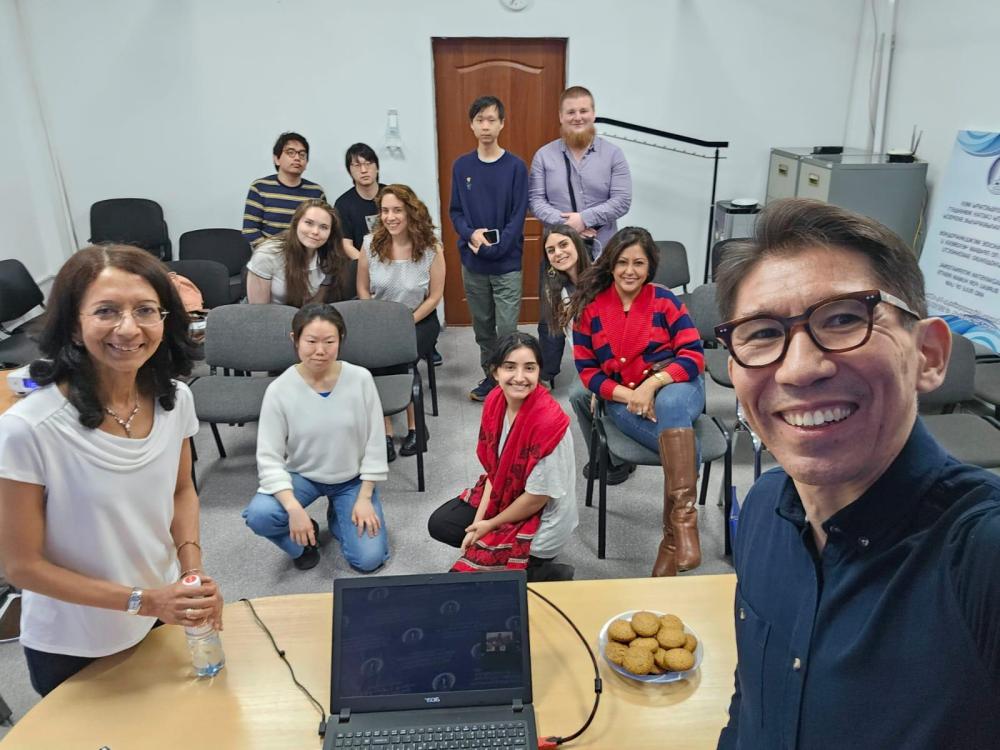
The study tour to Central Asia was led Dr Bhavna Davé, who has over 30 years of experience conducting research and building academic networks across the region. Students visited Al-Farabi Kazakh National University in Almaty and American University of Central Asia and the OSCE Academy in Bishkek to discuss current geopolitical and economic challenges. The Director of Kazakhstan’s International Bureau of Human Rights in Almaty shared his reflections on navigating authoritarian settings, bureaucratic regulations, and the increasingly challenging regional and international context.
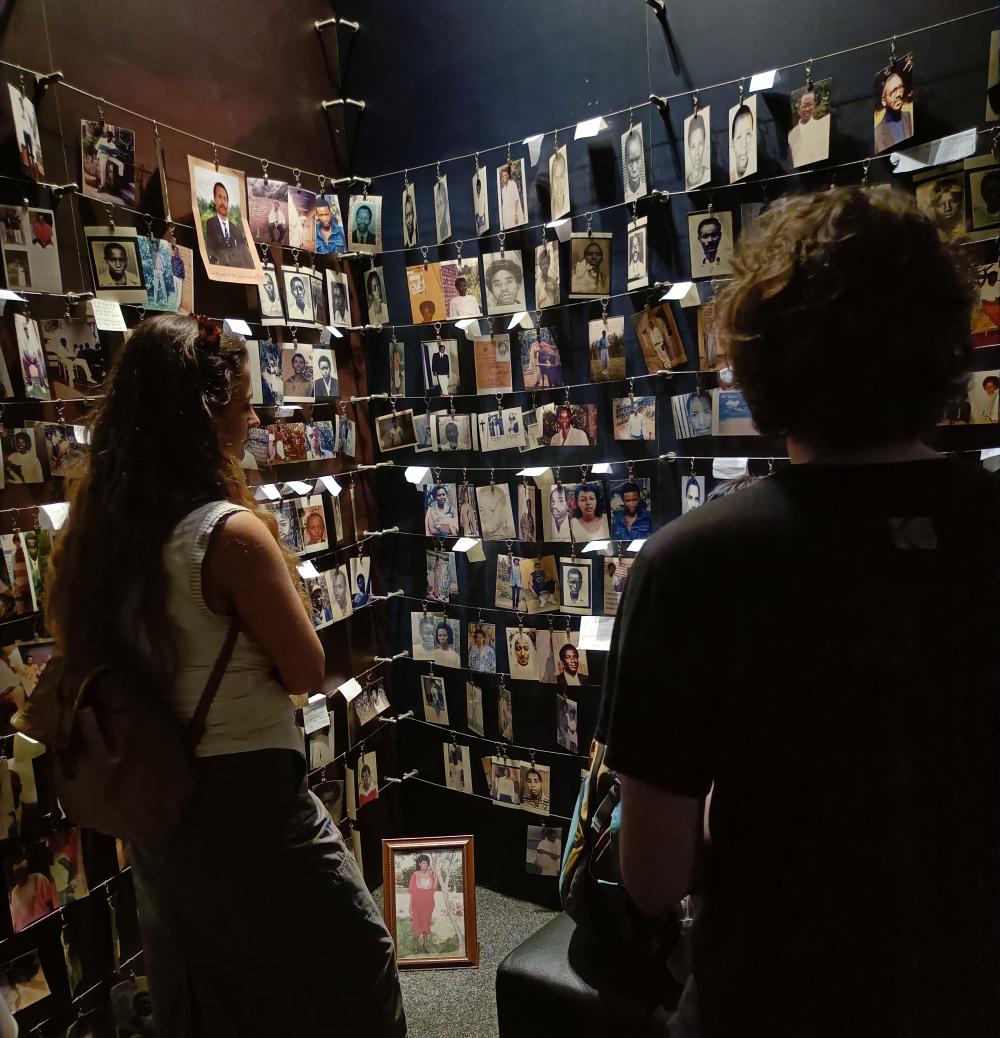
Professor Phil Clark’s more than 20 years’ researching and building networks in Rwanda opened a wide range of spaces and themes for students. They met the leader of the opposition Democratic Green Party, Frank Habineza, who returned to Rwanda from exile after challenging Paul Kagame for the presidency in 2010 and visited Mutobo demobilisation camp in north-western Rwanda meeting rebel combatants, most of whom had been fighting in the Democratic Republic of Congo only a week earlier.
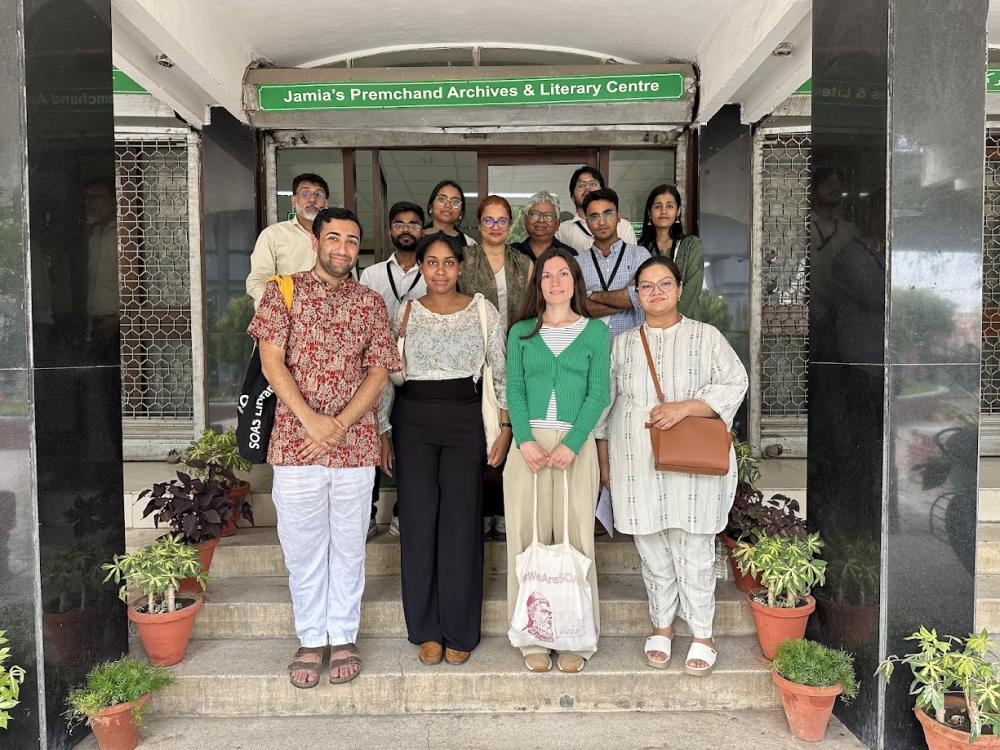
Professor Pallavi Roy, who led the tour in India, has over three decades of experience as a journalist and academic researching economic and political issues in India and South Asia. Students met with a sitting opposition Member of Parliament to learn about legislative dynamics and political representation and inclusion and spoke to established media outlets about the diverse challenges and responsibilities facing Indian journalism today.
Professor Laura Hammond, Deputy Vice Chancellor Research & Knowledge Exchange, said: “Any researcher working in politically sensitive spaces will know how much trust matters. The fact that our researchers have created such specialised experiences that offer students a unique opportunity to engage with global issues in a deeper, more immersive way in these regions is testament to their years of dedication in their respective fields. This really demonstrates the impact of our specialist expertise and our learning experience at SOAS.”
Top image of Bishkek Kyrgyzstan, courtesy of Adobe