Venice Biennale of Architecture (Alumni Outcomes)

The SOAS-Alphawood Asian Art Programme is delighted to announce that 2024/25 Dr Hettie Elgood scholar, Vy Tsan, was awarded a fellowship at the 19th Venice Biennale of Architecture. Vy kindly provided the below report on her experience.
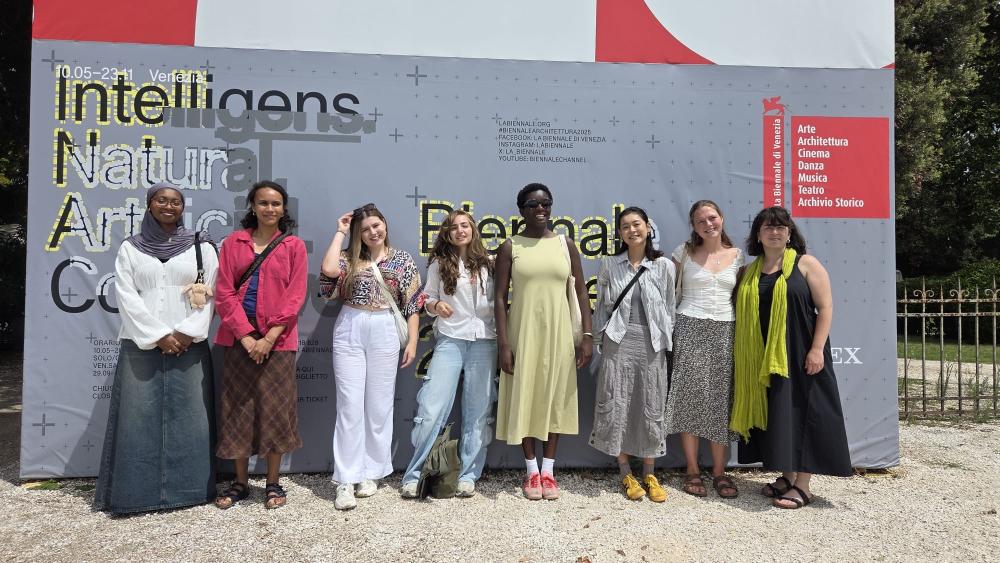
As part of my time as the 2024/25 Dr Hettie Elgood scholar on the SOAS-Alphawood Postgraduate Diploma in Asian Art at SOAS University of London, I was fortunate to also be selected by the university and British Council to undertake a fellowship at the 19th Venice Biennale of Architecture with the British-Kenyan Pavilion.
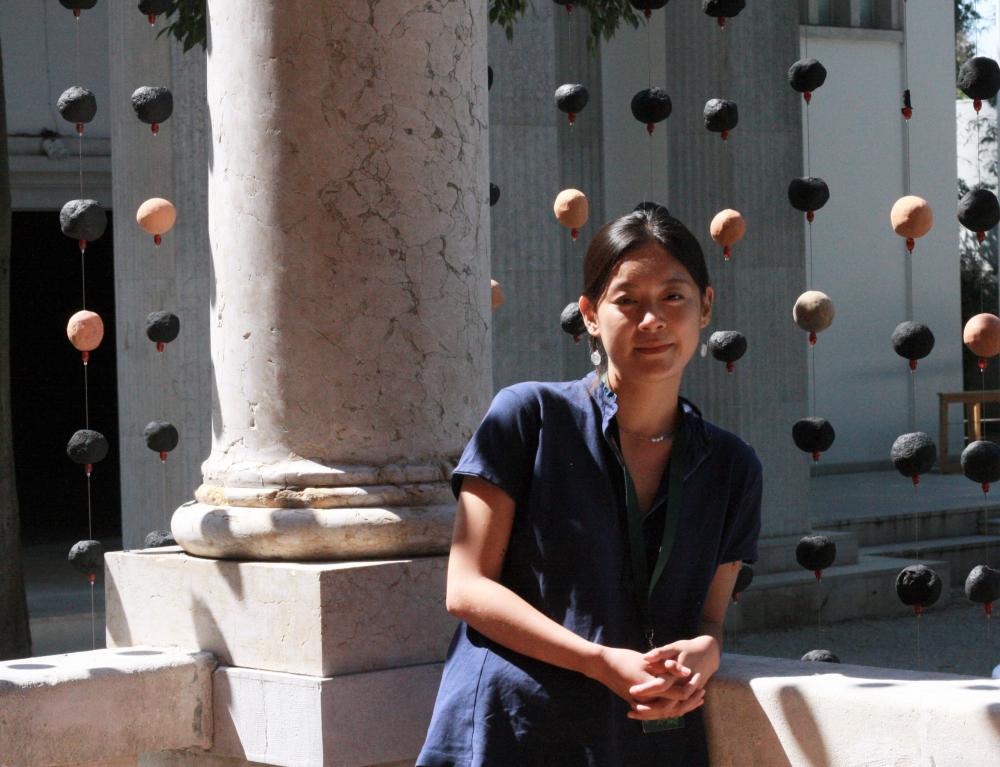
As a Fellow and Exhibition Ambassador for the GBR: Geology of Britannic Repair exhibition co-curated by Nairobi-based architects Stella Mutegi and Kabage Karanja from cave bureau, UK-based curator and writer Owen Hopkins, and academic Professor Kathryn Yusoff, I engaged visitors to Venice from around world with an impactful exhibition examining architecture and colonisation as parallel, interconnected systems. I was honoured to invigilate the British-Kenyan Pavilion within Giardini as part of my duties, and enjoyed spending time with the ‘Objects of Repair’ installation presented in collaboration with researchers from the Palestine Regeneration Team (PART). The installation draws upon PART’s ongoing work researching repair and (re)building techniques used in Gaza and the West Bank, whilst also confronting the colonial exploitation of the Palestinian lands from the British Mandate to current Israeli occupation. In particular, I enjoyed discussing the installation ‘Experimental Travelling Lab’ with visitors, which uses materials such as crushed concrete, cardboard and corrugated metal salvaged from Gaza’s rubble to create a bench for visitors to sit on while watching a video projected in the room.
In Venice, I also undertook an independent research project on mapping the material afterlives of the objects within exhibitions, using GBR: Geology of Britannic Repair as a model due to its environmentally sustainable ethos and its connection of continents through material sourcing. I was particularly interested in the ‘Veil of Carbon and Clay’ which dressed the neo-classical British Pavilion in a dance of ‘other earths’ so that it may resemble the Kenyan Maasai people’s traditional manyatta dwellings. The installation consisted of spherical earth beads made from Kenyan clay and charcoal, which the curators plan to return to the earth after the exhibition. Between the carbon and clay spheres were red glass beads which evoked the Murano glass beads used in the slave trade, though these were manufactured in India and had been exported to the Kenyan for everyday use by the Maasai women before being transported to Venice. The fellowship provided an invaluable opportunity to observe how site, materiality, and narrative converge within a major international exhibition and these ideas will continue to inform my ongoing research into systems of interbeing within the material world — the relationships between objects, their environments, and the people who engage with them.
Being in a city as unique as Venice alongside a cohort of incredible students from universities around the UK-–studying art, architecture, stone masonry, pharmacy, civil engineering and modern languages, as well as, meeting other Fellows to the Biennale working at the Peggy Guggenheim museum and other national pavilions from Romania to the United States was a singular experience. These new friends enriched my understanding of how architecture, technology, material culture, and creative practice intersect, particularly in the context of addressing colonial legacies and environmental sustainability.