Department of Economics
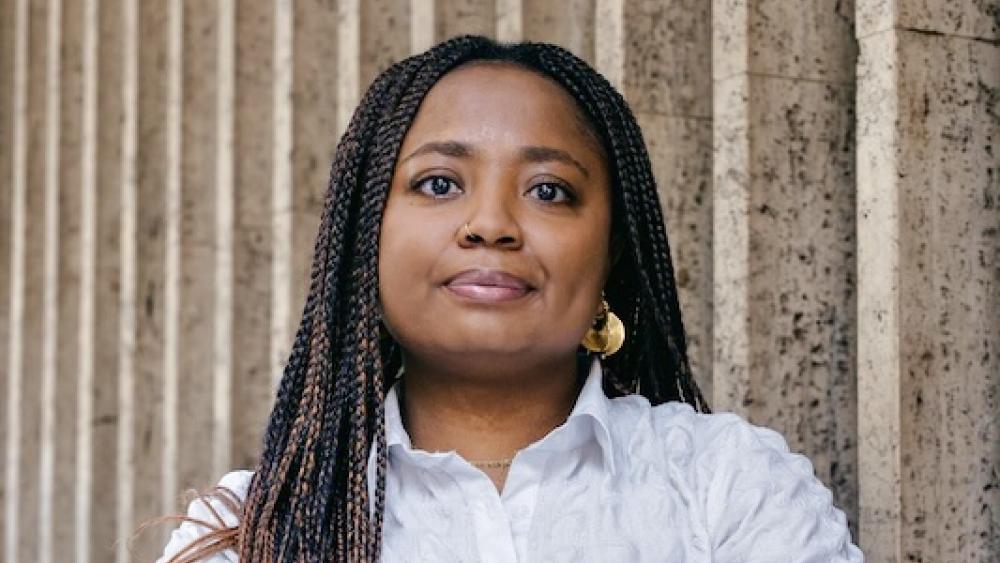
Sonia Phalatse
You are viewing:
Key information

Key information
- Department
- Department of Economics
- Qualifications
- MCom in Economics from the University of Witwatersrand and BComHons in Economics from the University of Cape Town
- Subject
- Economics
- Email address
- 734351@soas.ac.uk
- Thesis title
- A feminist political economic analysis of everyday practices of climate adaptation in South Africa
- Internal Supervisors
- Dr Sara Stevano
Biography
Sonia Phalatse is a PhD candidate in the joint Wits–SOAS Programme in Applied Development Economics. Her PhD research focuses on understanding the changing organisation of social reproduction in the context of climate change.
Sonia is a Researcher on Climate Change and Inequality at the Southern Centre for Inequality Studies (SCIS) at the University of the Witwatersrand in Johannesburg, South Africa. At the SCIS, she leads the Care-Climate Nexus project, a multi-disciplinary project that aims to anchor the care economy in climate policy.
Before joining SCIS, Sonia was the Economic Justice Lead at the African Women’s Development and Communication Network (FEMNET), where she led movement-building initiatives across the network and its partners. Her work at FEMNET focused on strengthening collaboration among women’s rights organisations, activists, and feminist economists to advance feminist macroeconomic policy alternatives in Africa.
Prior to this, Sonia worked as a researcher at the Institute for Economic Justice (IEJ), where she worked in both the Climate and the Feminist Economics programme. During her time, she led the organising of the inaugural IEJ’s Feminist Economics Summer School and she authored a number of papers including the A Critical Assessment of the Role of Private Finance in Infrastructure Development in South Africa and Eskom: The Roots of a Crisis.
Sonia is a feminist activist who has contributed to various movements and NGO’s, including the End Austerity Campaign.
Research interests
Sonia's research interests include the political economy and ecology of land and nature, feminist political economics (with a focus on social reproduction, care work and the gendered effects of ecological transitions), critiques of macroeconomic theory and policy (specifically, austerity and the privatisation of public infrastructures) and climate and energy justice.
Contact Sonia
- Social media