Reader in Chinese Buddhism
College of Humanities,
School of History, Religions and Philosophies
& Department of Religions
From Green Living to Buddhist Environmentalism: Textual, Rituals, and Practices for a Sustainable Future


Overview
Launched in 2024 with the support of the Tzu Chi Foundation and coordinated by Stefania Travagnin, this collaborative project brings together 13 scholars from diverse disciplines to explore how Buddhism can contribute to caring for the planet and shaping sustainable futures.
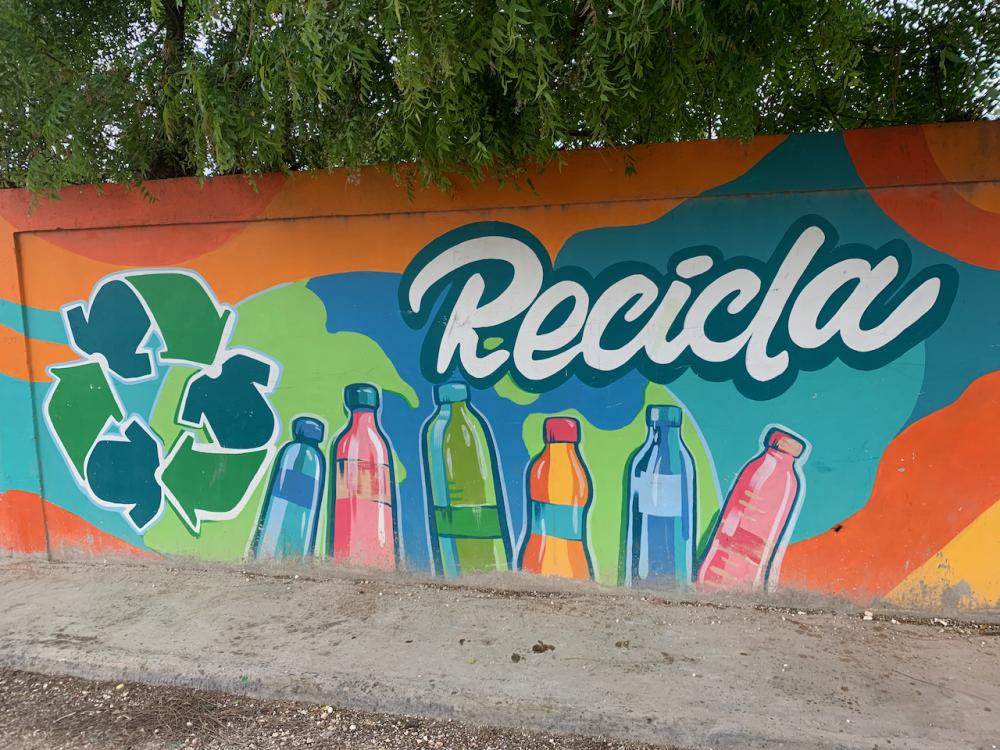
In the field of environmental protection and in reflections on human relations with the non-human world, Buddhist practitioners can point to a substantial history of activism that has raised awareness and educated communities. To give only a few examples from Asia: the nun Chao Hwei 昭慧 founded the Life Conservationist Association 關懷生命協會 in 1993; in Vietnam, the Buddhist leader Thich Nhat Hanh (1926–2022) articulated a vision of “ecological humanism”; the monk Sheng Yen 聖嚴 (1930–2009), founder of Dharma Drum Mountain 法鼓山, established the eco-friendly Life Memorial Garden in the early twenty-first century; and the Tzu Chi Foundation, led by Master Cheng Yen 證嚴 (b. 1937), has been a pioneering force in recycling in Taiwan since the early 1990s.
Over the past few decades, the academic study of Buddhism and ecology has likewise expanded significantly. It has moved from foundational discussions of Dharma and ecology to more focused analyses of topics such as sacred waste and human–animal relationships. Building on this expanding body of scholarship, our project asks how Buddhist teachings, rituals, and community initiatives can underwrite a distinctive form of environmentalism—what we might term “Buddhist environmentalism.”
This new project considers both past and present, doctrines and rituals, communities and practices. It treats Buddhism as a tradition rooted in Asia yet also a fully global culture; accordingly, some research examines Buddhist environmental initiatives in North and Latin America, and Africa. Finally, our research places Buddhism in dialogue with other religious and cultural perspectives, which at times diverge from Buddhist approaches to the environment.
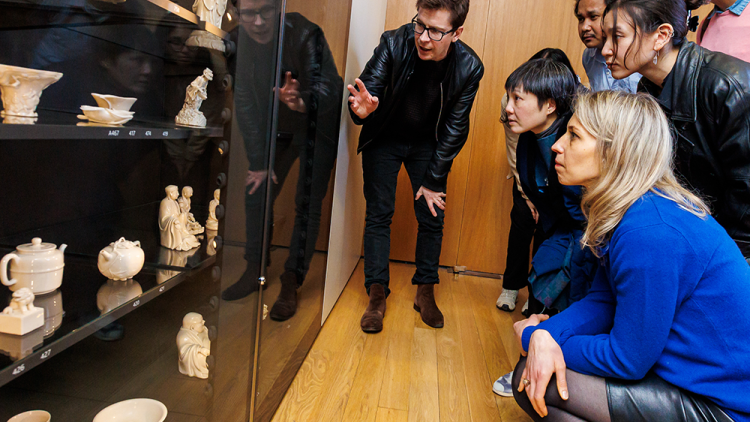
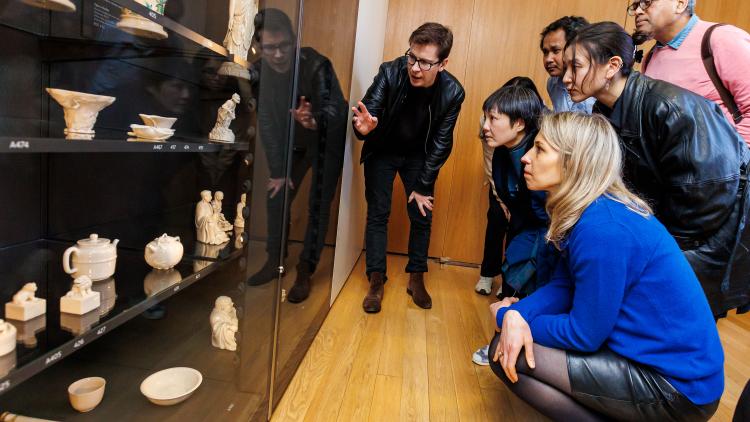
We held a two-day conference in October 2025 at the SOAS Centre of Buddhist Studies. The studies presented were grounded in textual research and ethnographic fieldwork. Some contributions examined natural elements such as fire, earth, wood, and water. Others investigated Buddhist spaces and monastic gardens, both historically and in comparative perspective. The project also analysed the environmental ideologies of modern leaders, connecting Buddhist initiatives with contemporary social histories and movements, and considering figures such as B. R. Ambedkar in India, the nun Cheng Yen in Taiwan, and the monk Thich Nhat Hanh in Vietnam. In addition, contributors reflected on recent concepts and theoretical frameworks, including “eco-dharma,” Buddhist environmental justice movements, altruistic economic theories, virtue ethics and environmental gratitude, methods of eco–art history, and the ideal of an “economy of goodness.”
Image: Stefania Travagnin
Gallery