Library Appeal: the immense value of Special Collections


Our Library Appeal 2026 campaign highlights the vital role that the SOAS Library plays in supporting students, staff and researchers from SOAS and from around the world.
The Library is distinguished not only by the breadth and depth of its collections, but by the expertise and commitment of those who work with them. Discover more about the Library’s Special Collections through the words of staff member Alex Kither.
Reasons to support the Library: wide impact and invaluable resources
I am Alex Kither, Curator of Rare Books and Manuscripts in SOAS Library’s Special Collections.
The SOAS Library holds collections that are not only distinctive, but in many cases irreplaceable. Our Special Collections preserve texts, histories, and voices that are often unavailable anywhere else, and they continue to shape new research and understanding. Many of the items preserved here are scarce, or even unique, and the aggregation of all these materials in one place is a particularly special thing.
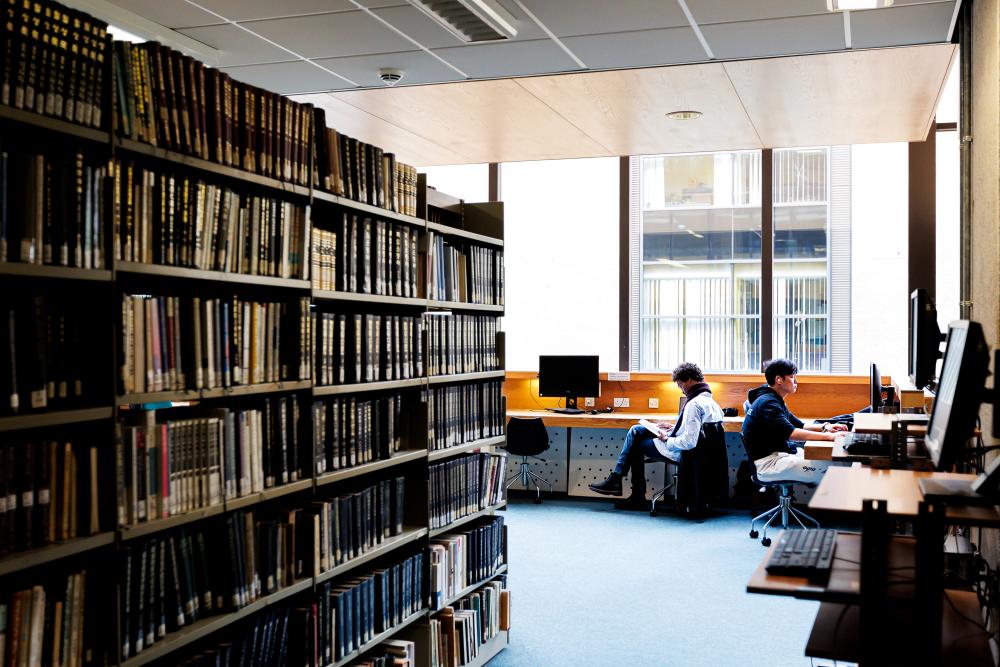
It is important to recognise that the Library is not only a University asset, but a National Research Library that supports and contributes to scholarship across the UK, and internationally. The SOAS Library, including its staff, space, and collections, supports a vast and diverse constituency of users.
Support for the library enables us to expand and care for our collections, and to make them accessible to a global audience for research, learning, and public engagement.
Aside from the books on the shelves, if SOAS Library no longer existed, a vast research community would be without the dedicated support staff who work here, including librarians, archivists, reader assistants, administrators, conservators, cataloguers, and imaging staff, all of whom work to ensure that users get access to the information that they need. Without this crucial resource, many projects would stall, and students and scholars would lose access to the support and materials on which their work depends.
Continued development and wider access to these unique resources depend on sustained funding. Support for the library enables us to expand and care for our collections, and to make them accessible to a global audience for research, learning, and public engagement.
Alex’s role: preserving and enabling access to Special Collections
Special Collections are central to the Library’s identity as a research institution: they offer primary sources that underpin original research and new approaches to teaching.
Engaging with Special Collections can be enormously valuable for both undergraduate and postgraduate research.
In my role, I oversee the care and development of collections that are both distinctive and, in many cases, irreplaceable. These include early printed books and manuscripts, as well as prints, posters, maps, ephemera, and a wide range of special-format materials.
My primary responsibility is to preserve, promote, and make these collections accessible. This involves developing and cataloguing holdings, ensuring that they are discoverable and usable, and supporting their integration into teaching, research, and public engagement.
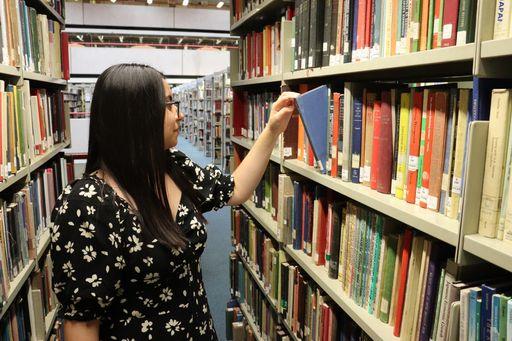
On a daily basis, I work closely with academic staff, students, researchers, and members of the public, as well as with colleagues across the Library, including conservators and imaging specialists, to ensure that these materials can be used effectively whilst also being preserved for the future.
Engaging with Special Collections
Special Collections are open to everyone, including staff, students, alumni, and independent researchers, both within and beyond the University. We regularly welcome visitors from around the world, regardless of whether they have a formal institutional affiliation or not.
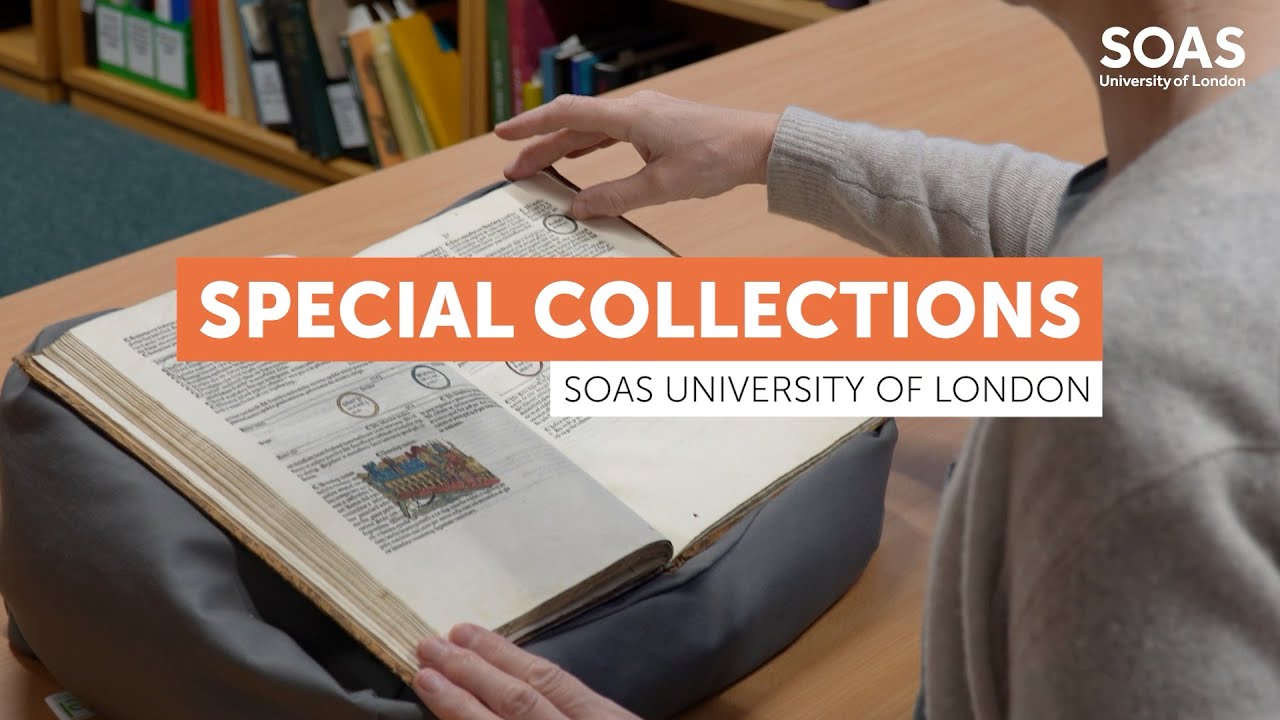
SOAS students can access Special Collections via our online catalogue, where they can search for material and book appointments in advance. Items can be requested directly through the catalogue. Our reading room is open from 10:00 to 16:00, Tuesday to Friday, throughout the year. Students are also very welcome to contact us by email with enquiries or to visit in person—there is always a member of staff on hand during opening hours to assist. Many items are also available remotely through our digital library.
The collections contain unique primary source materials, many of which have never been the subject of sustained academic study.
Engaging with Special Collections can be enormously valuable for both undergraduate and postgraduate research. The collections contain unique primary source materials, many of which have never been the subject of sustained academic study. These can form the foundation of essays, dissertations, or theses. Beyond their textual content, many items can also be studied for their material qualities and historical context, offering rich, multi-dimensional research opportunities.
We also offer internship opportunities, giving students meaningful, hands-on experience in the sector. There are, therefore, many ways to engage with Special Collections. Even for those who do not use them directly in their coursework, I would strongly encourage every student to visit the reading room at least once. Curiosity alone is reason enough.