Library Appeal: what the SOAS Library means to students


Our Library Appeal 2026 campaign is highlighting the vital role the SOAS Library plays in supporting students and their studies. Through stories like this one, we want to show why continued support matters, and what access to the library means for people like Ellis Taylor, a SOAS student whose academic journey has been shaped by the unique opportunities provided by the Library and its Special Collections work.
The impact of the SOAS Library
My name is Ellis Taylor and I am in my penultimate year at SOAS, studying History of Art and International Relations.
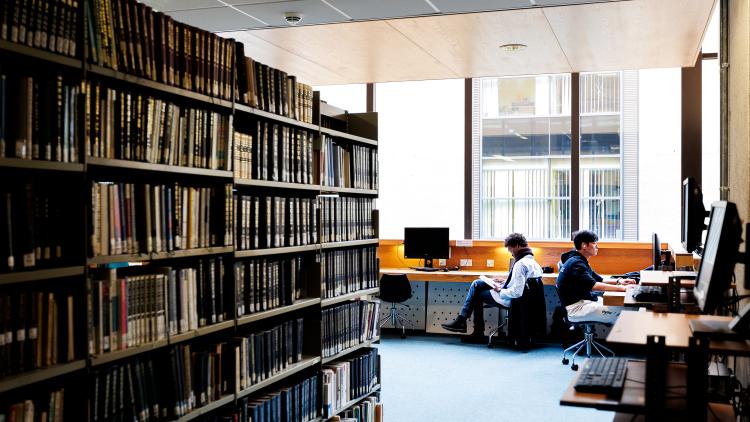
Access to the SOAS Library has been absolutely vital throughout my time at the university. If I no longer had access to the library, I would not only lose an amazing and vast collection of books, but also a study space which has been so useful during my studies.
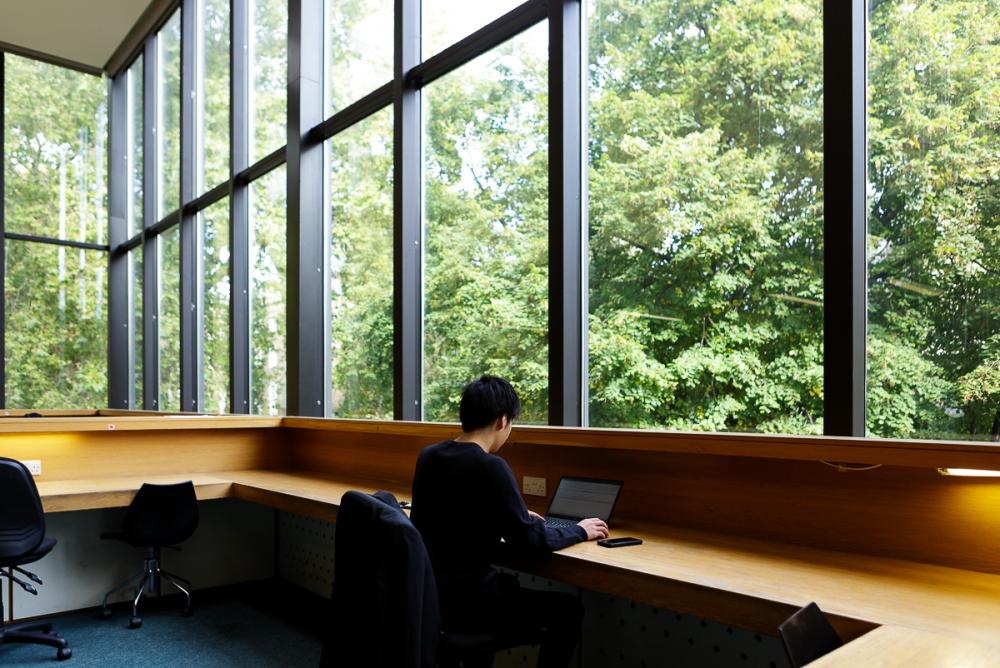
If you are considering donating to the library, I recommend you go forward with the decision, as your donation allows students to have a free space to study, learn and explore cultures and, in my case, art genres and works that I may never have encountered otherwise.
Studying at SOAS and working with special collections
I chose to study at SOAS because of the university’s wide range of unique courses. When I was applying to university, I found that SOAS was the only institution to combine my interests in both politics and art through a specifically diverse and post-colonial lens. My course itself is quite unique, even amongst my peers, but I think the intersection of politics and art is incredibly important, and that is what drew me to studying it in the first place.
I currently have a keen interest in modern and contemporary African art and the intersection of post-independence African politics with the artwork produced.
Accessing the resources at the SOAS Library allowed me to further fuel my interests by studying and researching topics such as the Negritude movement in post-independent Senegal.
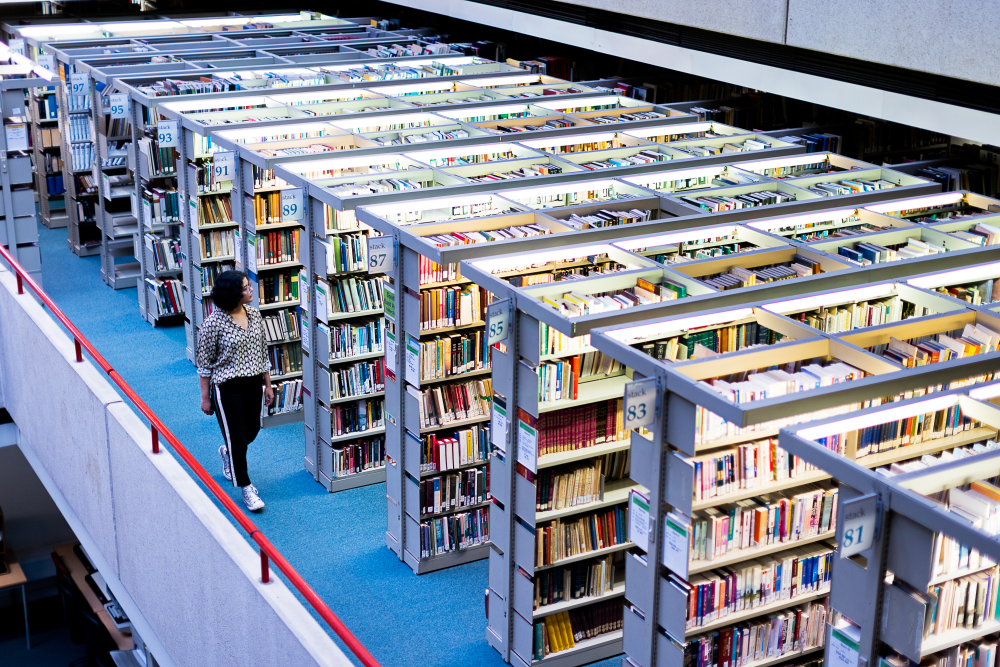
In addition to that, I am currently doing volunteer work with the Special Collections Team, digitising a collection of Chinese woodblock prints, which has been a real privilege.
One of my favourite memories is being shown a book that was out for a history of art class, which is the oldest book in the collection and dates back to the 13th century.
Through this work, I have learnt so much about art genres and historical periods that I had previously known little about.