-
Embroidery Traditions of Afghanistan
Key information
- Date
- to
- Time
-
10:30 am to 5:00 pm
- Venue
- SOAS Gallery
- Room
- Ground Floor Gallery
- Event type
- Exhibition & Event highlights
About this event
SOAS Gallery is delighted to present Embroidery Traditions of Afghanistan, a new exhibition revealing the rich diversity, skill, and beauty of embroidery from across Afghanistan. The exhibition draws from the Karun Thakar collection, developed in collaboration with the V&A Museum.
Opening times
Please note that the Gallery will be closed on Saturday 29th August. It will reopen on Tuesday 1st September.
Open Tuesday - Saturday, 10:30am - 5pm and late on Thursdays until 8pm
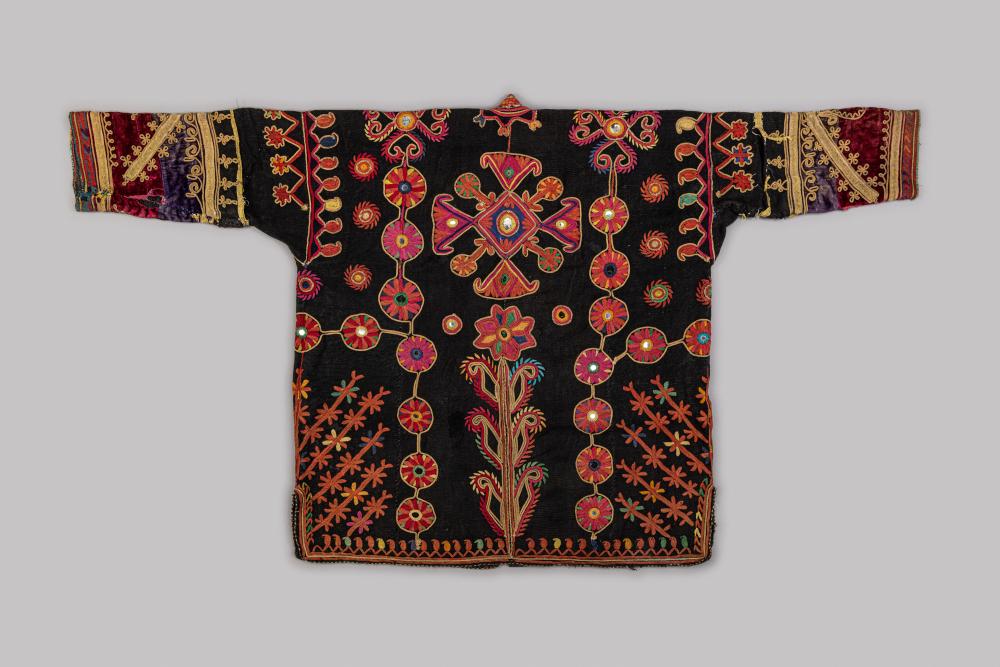
Afghanistan has always been a place of many peoples and cultures. The Hazara people, the Pashai, Pashtuns of many tribes, Tajiks, Turkmens, Uzbeks and many more have lived in and around the geographically varied regions of Afghanistan. As well as having their own languages, cultures, and customs, all of these groups have vibrant and distinctive textile traditions. In common across all of these traditions, however, is the presence of embroidery. Whether in silk or wool, using chain stitch or cross stitch, the complex patterns created by highly skilled women and girls serve as repositories for the rich cultural identities of these cultures.
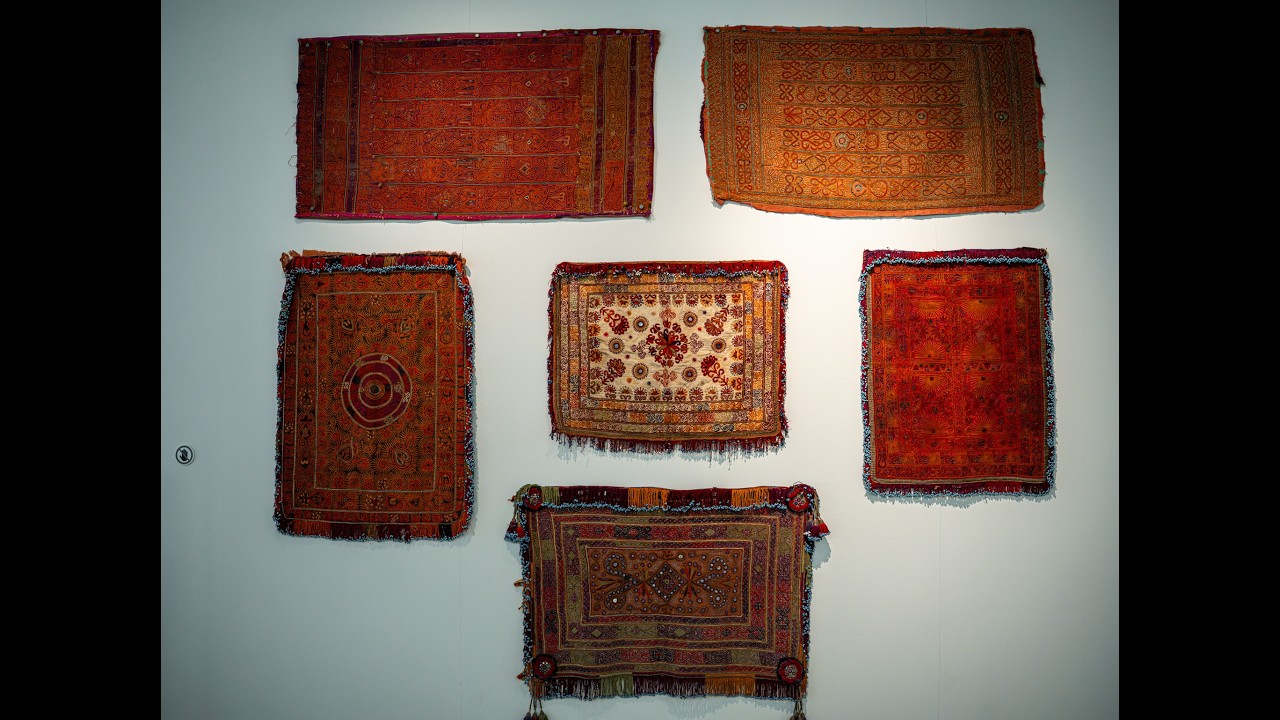
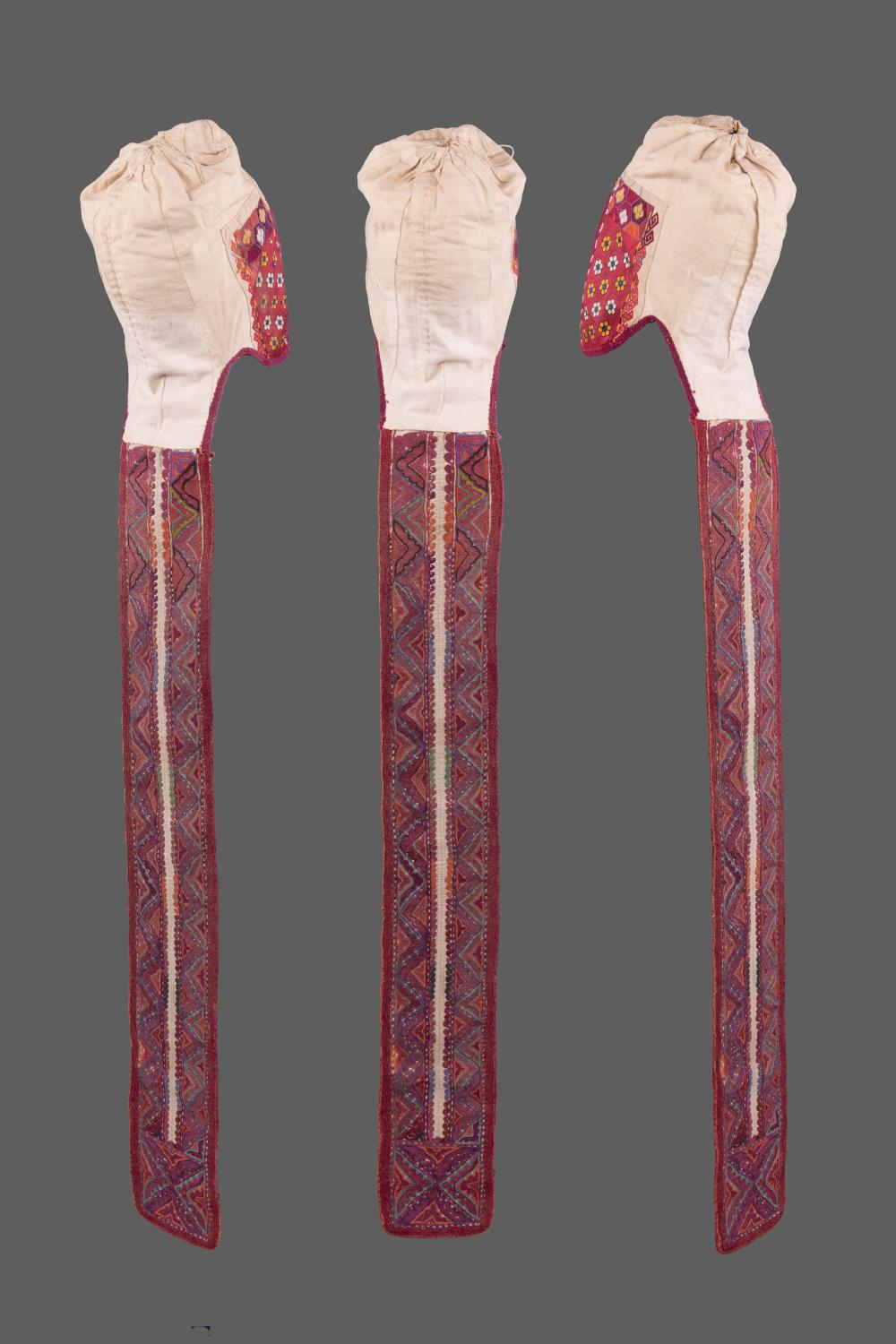
Embroidery Traditions of Afghanistan showcases around 100 of the finest examples from across these cultures, dating to the nineteenth and twentieth centuries, from the collections of Karun Thakar and the V&A. Displaying items of dress for women and men, bags, other accessories, and more surprising objects, such as bicycle seat covers, this exhibition reveals the embroidered world of Afghanistan. While traditional and local dress is still worn across the country today, the exhibition represents many styles and techniques which are now lost or disappearing.
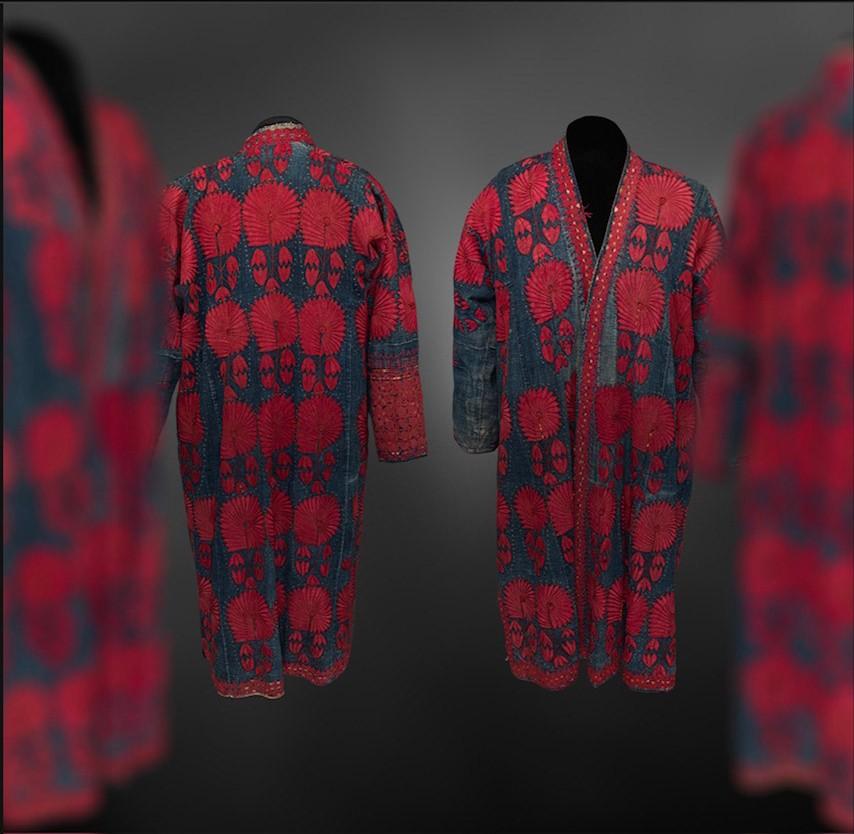
Highlights will include: remarkable nineteenth-century Arabachi coats, embroidered in red on blue; rarely displayed Mangal and Pashai shirts; a collection of bold women’s capes with yellow stitches on a black ground; and an uncommon example of a green Kandahari woman’s face veil, embellished with distinctive khamak (satin stitch) decoration. These will be displayed alongside head coverings for men and women, furnishings for the home, such as the Uzbek suzani, and Lakai decorations, as well as covers for weapons, food wraps, and lengthy turban cloths.
Through silk, beads, coins, blanket stitch, and couching, these embroidered objects invite us into the lives of the makers and wearers. Symbols, materials, and colours are important markers of identity, geographies, status, and religion, and can also provide protection through amulets and talismans. Embroidery Traditions of Afghanistan celebrates these makers and wearers, through the colourful variety and skilled artistry of their textile traditions.