Neural Buddhism: Biomedical Interpretations of the Dharma

Key information
- Date
- Time
-
10:00 am to 5:00 pm
- Venue
- Brunei Gallery
- Room
- BGLT
- Event type
- Conference
About this event
Neural Buddhism sets out to chart the contours of contemporary attitudes to Buddhism and Buddhist meditation viewed through the evolving lenses of the biomedical sciences.
It examines the politics of contemplation, the prevailing interpretations of meditation informed through neuroscientific data as well as the impact of modern culture on the way we respond to meditation. These avenues of research, it is argued, throw important light on the ways through which modern society engages with the teachings of the Buddha and the practices he promoted. This, in turn, allows us to situate ourselves within a much broader tradition of practitioners and reveals the biological events and contextual drivers that underpin the modern construal of the Buddhist maps of experience.
Attendance
This event is open to everyone and free to attend. Registration is recommended since we anticipate strong interest in this event. Please register via the link above.
Sponsor and organiser
The Buddhist Inside Out is kindly sponsored by the Khyentse Foundation. It has been organised by the SOAS Centre of Buddhist Studies.
Conference schedule
- 9:30am to 10:00am Welcome coffee with pastries
- 10:00am to 10:15am: Opening Remarks
- 10:15am to 11:00am: David McMahan, 'Historicizing the Scientific Study of Meditation and Contextualizing the Meditating Mind'
- 11:00am to 11:45am: Joanna Cook, 'Rewiring the Chamber: Neural Buddhism, Mindfulness Science, and the Politics of the Contemplative Brain'
- 11:45am to 12:30pm: Plenary Discussion
- 12:30pm to 1:30pm: Lunch
- 1:45pm to 2:30pm: Matthew Sacchet, 'Advanced Meditation and the Third Wave of Meditation Research'
- 2:30pm to 3:15pm: James Cooke, 'Egostasis: A First-Principles Account of the Neurocomputational Basis of Suffering'
- 3:15pm to 3:30pm: Coffee and Tea Break
- 3:30pm to 4:30pm: Roundtable with Scholar-Practitioners
- Speakers: Mahinda Deegalle, Kai-Hsiang Lin, Guang Kuan, Dobdon Maksarov
- 4:30pm to 5:00pm: Concluding Discussion
Paper abstracts
About the speakers
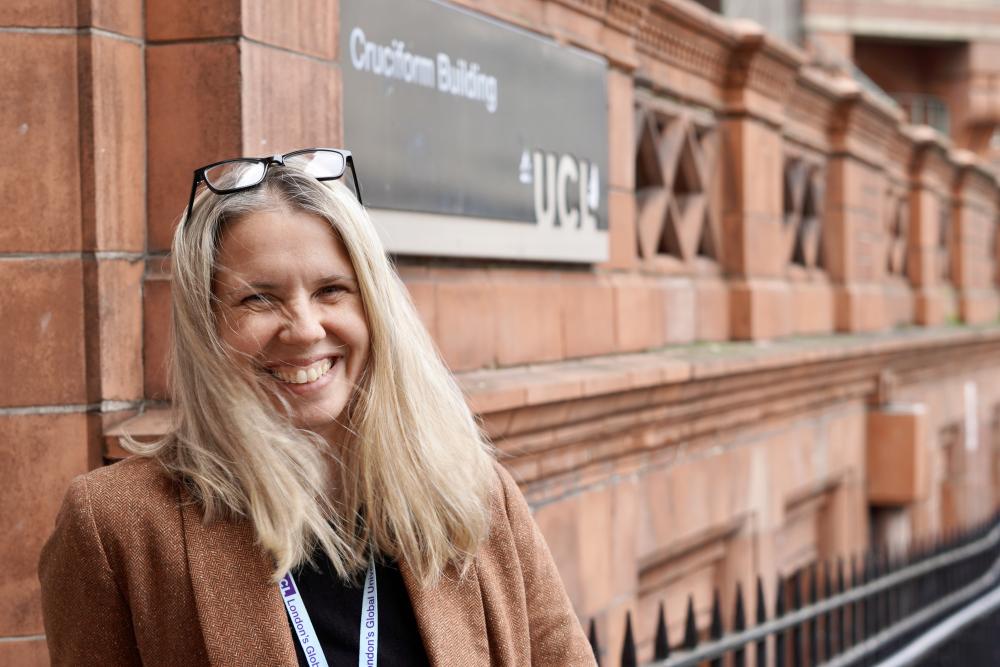
Joanna Cook is Professor of Anthropology at University College London. Her research spans the UK and Thailand, addressing ethics, wellbeing, mental health governance, and contemplative practice. She is the author of two monographs: Meditation in Modern Buddhism (Cambridge University Press, 2010) and Making a Mindful Nation (Princeton University Press, 2023), an ethnographic study of mindfulness as public policy in Britain. Her current work explores joy in cross-cultural perspective, and she is Principal Investigator on the ERC-funded Advanced Grant, Cultures of Joy in the Metacrisis (AnthropoloJOY).
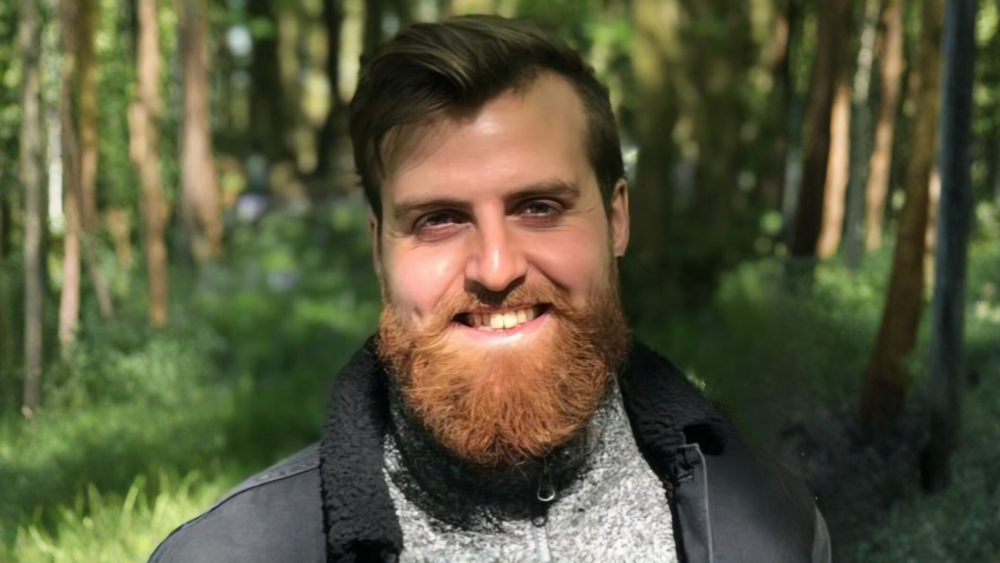
James Cooke is a neuroscientist, author, and Director of The Oxford Contemplative Science Research Program within The Centre for Eudaimonia and Human Flourishing, based in Oxford's Department of Psychiatry. Holding three Oxford degrees, he has conducted research at institutions including UC Berkeley, UCL, and the Riken Brain Sciences Institute in Tokyo. He is the originator of Nondual Naturalism and the Living Mirror theory of consciousness, articulated in his book The Dawn of Mind (Rowman & Littlefield). His current work focuses on how transformations of the sense of self can be used to relieve suffering.
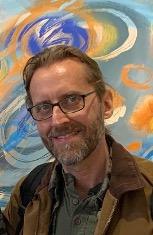
David L. McMahan is the Charles A. Dana Professor of Religious Studies at Franklin & Marshall College, Pennsylvania. He is the author of several books including Rethinking Meditation (Oxford University Press, 2023) and The Making of Buddhist Modernism (Oxford University Press, 2008), and has written extensively on Mahāyāna Buddhism and Buddhist literature. His recent work focuses on the interface of Buddhism and modernity, exploring how Buddhist and Buddhist-derived meditation are understood and practised across different cultural and historical contexts, ancient and modern.
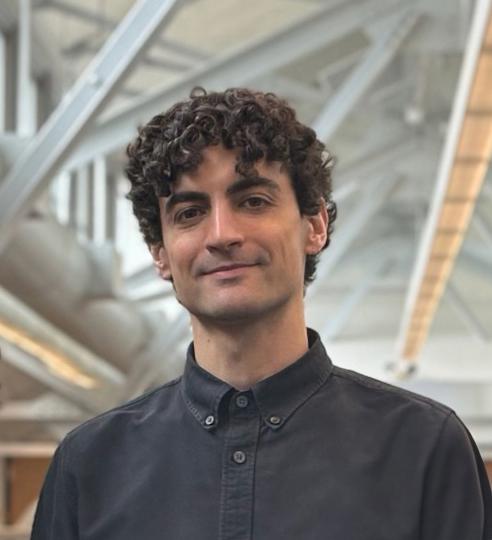
Dr Matthew D. Sacchet is Associate Professor and Director of the Meditation Research Program at Harvard Medical School and Massachusetts General Hospital. His research focuses on advanced meditation – states, stages, and endpoints of meditative development. He has authored more than 150 publications cited over 10,000 times, with work appearing in leading journals including Nature Mental Health, JAMA Psychiatry, and PNAS. Funded by the NIH and NSF, his research has featured in outlets including the Wall Street Journal, NPR, and TIME. Forbes named him one of its 30 Under 30.