High-Level Seminar in Brussels Tackles Africa’s Triple Crisis of Debt, Climate, and Development


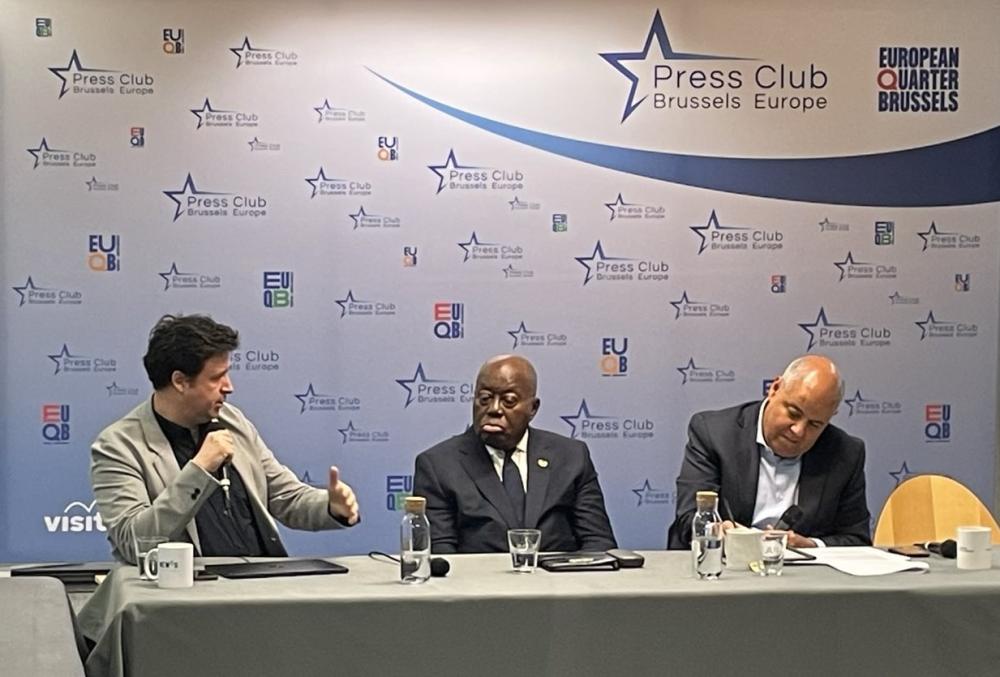
Professor Ulrich Volz speaks at high-level seminar in preparation of upcoming EU-AU Summit alongside H.E. Nana Akufo-Addo, the former President of Ghana.
Brussels, 2 October 2025 – A high-level seminar was held today in Brussels, bringing together policymakers, diplomats, and experts to strategise on urgent initiatives for debt sustainability in emerging and developing economies, particularly across Africa.
Titled “Tackling the Triple Crisis of Debt, Climate, and Development,” the event at the Press Club Brussels served as a crucial preparatory session ahead of the upcoming EU-AU Summit in Luanda. Organised by Debt Relief for Green and Inclusive Recovery Project in collaboration with the German Institute of Development and Sustainability, the European Think Tank Group, Caritas Africa, Caritas Europe, and Misereor, the seminar highlighted how crushing sovereign debt burdens severely limit countries’ capacity to invest in essential human development and climate action goals.
Debt and Austerity Trap
The discussion opened by stressing that widespread debt distress is forcing governments to implement harsh spending cuts, even in critical areas like health, education, and climate adaptation. Experts warned that this practice traps nations in a vicious cycle of low growth and climate vulnerability, while austerity measures often fuel social and political instability. The prevailing G20 Common Framework was criticised for its slow processes and minimal relief, leading many debt-burdened nations to avoid its use.
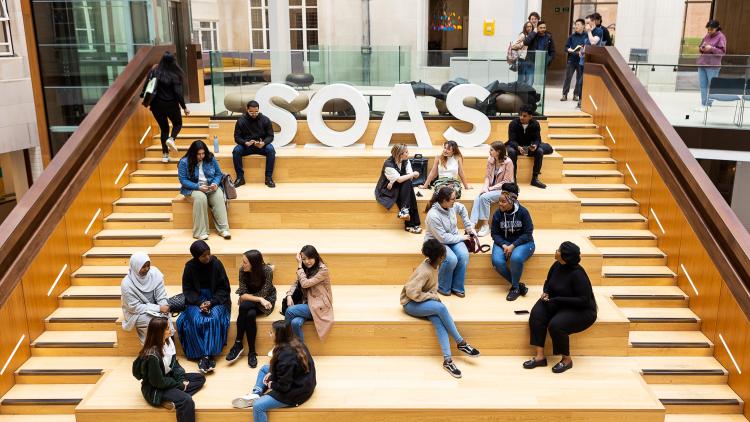
Setting the scene, Professor Ulrich Volz, the Director of the SOAS Centre for Sustainable Finance and Co-Chair of the Debt Relief for Green and Inclusive Recovery Project, emphasised the worsening sovereign debt situation and the geopolitical implications of a worsening vicious circle of debt, underdevelopment, and environmental change in Africa.
Calling for Concerted Action
The seminar focused on building political momentum behind new, fairer debt systems, referencing recent high-level proposals such as the Lomé Declaration from the African Union and the outcomes from the Seville Financing for Development Conference (FfD4).
The core debate addressed the case for a concerted debt initiative that links relief with policy reforms and investments in SDGs and climate action.
Keynote addresses were delivered by prominent leaders and dignitaries, including:
- H.E. Nana Akufo-Addo, former President of Ghana, representing the African Leaders Debt Relief Initiative.
- H.E. Lavina Ramkissoon, Ambassador to the African Union.
A panel discussion moderated by San Bilal, the Executive Director of the European Centre for Development Policy Management, and featuring Member of the European Parliament Marit Maij, Wesley Chibamba from Caritas Africa, Magnus Guldberg from the Permanent Representation of Denmark to the EU, and Professor Ulrich Volz – explored specific ways the African Union and European Union could cooperate to advance debt sustainability and unlock the resources necessary for inclusive, sustainable development across the continent.
The Debt Relief for Green and Inclusive Recovery Project was established in 2020 by the SOAS Centre for Sustainable Finance and the Heinrich-Böll-Stiftung with partners to propose solutions to the sovereign debt crisis that has been building up in many developing and emerging economies.
Header image credit: James Wiseman via Unsplash.