Supreme Court of India members inspire students with address on technology and law


High-level members from the Supreme Court of India visited SOAS this month to deliver a keynote speech on the current state and future of India’s judiciary system.
Chaired by Dr Subir Sinha, Director of the SOAS South Asia Institute and Reader in the Theory and Politics of Development, the speech featured key insights from Mr Justice B.R. Gavai, Chief Justice of India, Mr Justice Vikram Nath from the Supreme Court of India and Mr Tushar Mehta, Solicitor General of India – with a core focus on how technology intersects with judicial process.
As we continue our journey toward modernising the Indian legal system, our approach must remain deeply rooted in constitutional values.
The address began with opening remarks from Mr Justice B.R. Gavai, who highlighted the importance of technology improving due process, streamlining case management and the administrative areas of India’s judicial system. Gavai also provided a reminder that technology should also work to complement human decision making throughout legal process – and that complex legal issues require human understanding of morals and ethics.
Mr Justice B.R. Gavai said: "As we continue our journey toward modernising the Indian legal system, our approach must remain deeply rooted in constitutional values.”
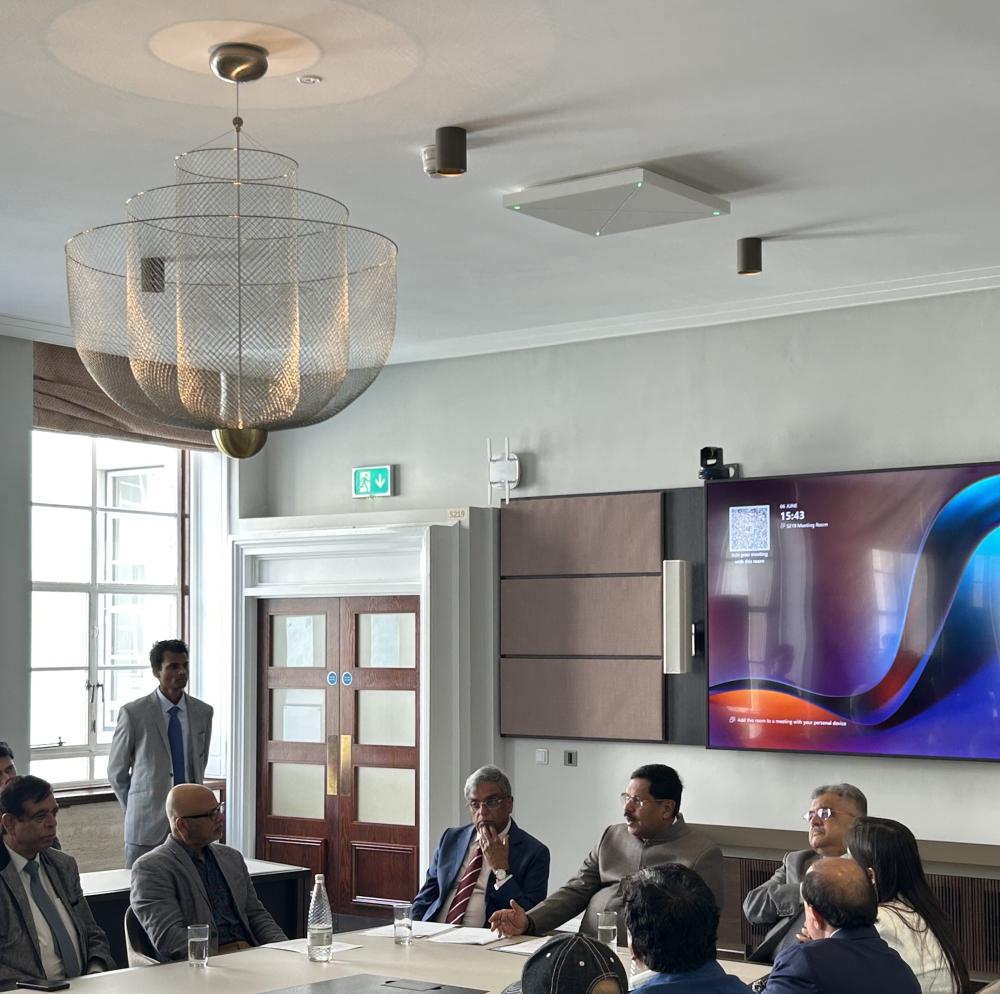
The panel agreed that technology can elevate legal education and that a future where technology can support due legal process can continue to be realised.
Speaking on the occasion, Dr Sinha said:
“It was such an honour to welcome Mr Gavai Chief Justice of India, Mr Justice Vikram Nath and Mr Mehta for an insightful discussion on how to progress India’s legal system, and the necessity for human engagement to be at the forefront of the judicial system.
It was so encouraging for our students in attendance to share their own experiences and use this occasion as a source of inspiration to guide their studies and future careers in law.”