SOAS Alumnae: celebrating International Women’s Month with voices from our community


For International Women’s Month, the alumni team spoke with SOAS alumnae across industries, geographies, and career stages to learn from their journeys and the insights they’ve gained along the way.
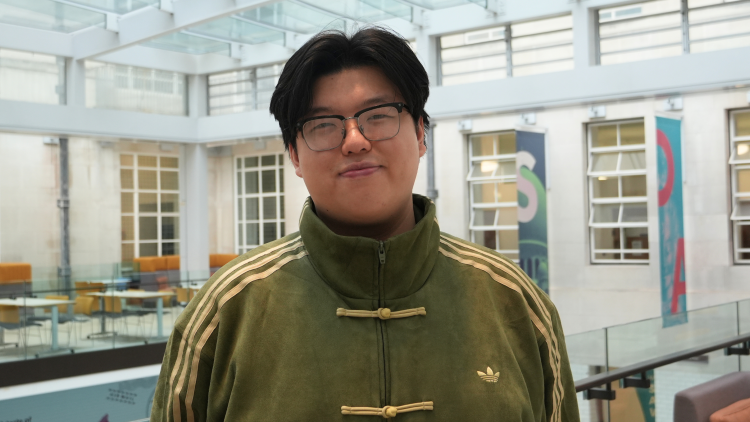
Birsen Ozgu Guner
A growing legal practice
Birsen Ozgu Guner (LLB Law, 2016) is an attorney admitted to the Istanbul Bar Association and has been leading her own practice, Guner and Guner Law Office, since 2022. Her firm specialises in a wide range of legal areas including corporate law, commercial litigation, employment law, family law and bankruptcy law. In addition to legal work, she also embraces the entrepreneurial responsibilities that come with managing a law office and continuously works to expand and enhance her practice.

“Finding creative solutions to complex problems through analytical reasoning is what attracted me to law in the first place”, she says. “Lawyers often serve as the behind the scenes architects of successful business initiatives and transactions.”
Learning through dialogue and connection
Birsen chose SOAS for its distinctive syllabus, which offers opportunities to explore diverse legal systems and approaches, and for its intellectually stimulating environment. Having completed her International Foundation Year at SOAS, she quickly became part of its dynamic academic environment and developed a strong sense of belonging within its vibrant and welcoming community.
The relationships and experiences gained through clubs and communities can be just as valuable for your personal and professional growth.
Throughout her degree, Birsen gained strong communication and critical thinking skills: “SOAS helped me to gain a broader understanding of the world through my readings as well as daily life on campus. Classes were taught through Socratic dialogue, where ideas could be freely and democratically voiced.”
The cross‑cultural awareness and adaptability she developed at SOAS remain central to her work with clients and colleagues from around the world.
Looking back, although she excelled academically, Birsen would advise her younger self to devote more time to social activities and community engagement at SOAS: “The relationships and experiences gained through clubs and communities can be just as valuable for your personal and professional growth.”
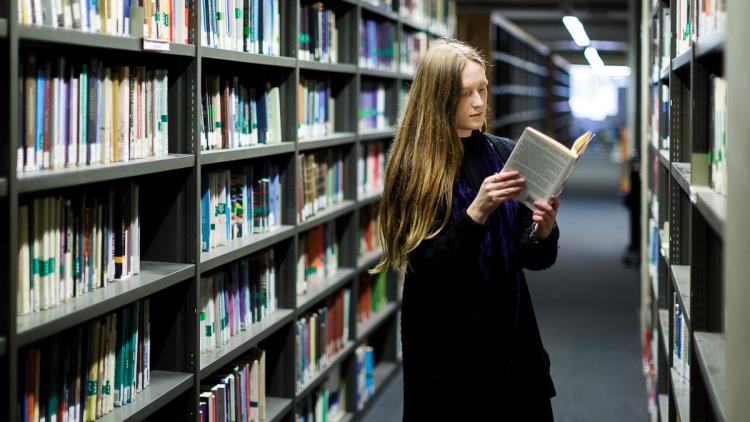
She has fond memories of her first lecture, the SOAS Library (an “architectural masterpiece”), and the lifelong friendships and meaningful mentorships that have continued beyond SOAS.
Support systems and mentorship against discrimination
Birsen gave a very practical example of gendered challenges.
Entering the legal sector often involves late night working hours and, for women, concerns about commuting home alone at night.
“I noticed that male colleagues were not as worried as I was, and when I mentioned this concern, offering to continue work at home after my shift in the office, this was declined.”
As a result, early in her career she had to turn down roles requiring very late hours.
“Today, I’m willing to offer this late-night remote-working opportunity to all co-workers in my own practice.”
Focus on becoming the best version of yourself rather than trying to meet others’ expectations.
She also believes that mentorship and support systems play a crucial role in building a fulfilling career: “We should actively promote the development of such support systems and openly share the challenges we have faced to help address and reduce them.”
Although significant progress has been made in expanding opportunities for women in the legal profession, Birsen notes that inequalities persist. “A society that fails to invest in the future of women,” she adds, “risks losing nearly half of its potential for progress.”
Birsen encourages women who aspire to become lawyers to remain determined. The legal profession can be demanding and competitive, particularly for women, but passion and commitment make the journey worthwhile: “Focus on becoming the best version of yourself rather than trying to meet others’ expectations. At different stages of life, you may need to take different paths. If you find that you are no longer happy in your current role, explore other opportunities within law.”
Sanam Mahoozi
“Reporting on Iran is a professional responsibility and a personal one.”
Dr Sanam Mahoozi (MSc Economics with Middle East Studies, 2010) is a journalist reporting on Iran for The New York Times. She is also an academic with a PhD in journalism and has written both scholarly articles on Iran and daily news stories about the country, as well as extensive work on technology and the environment.
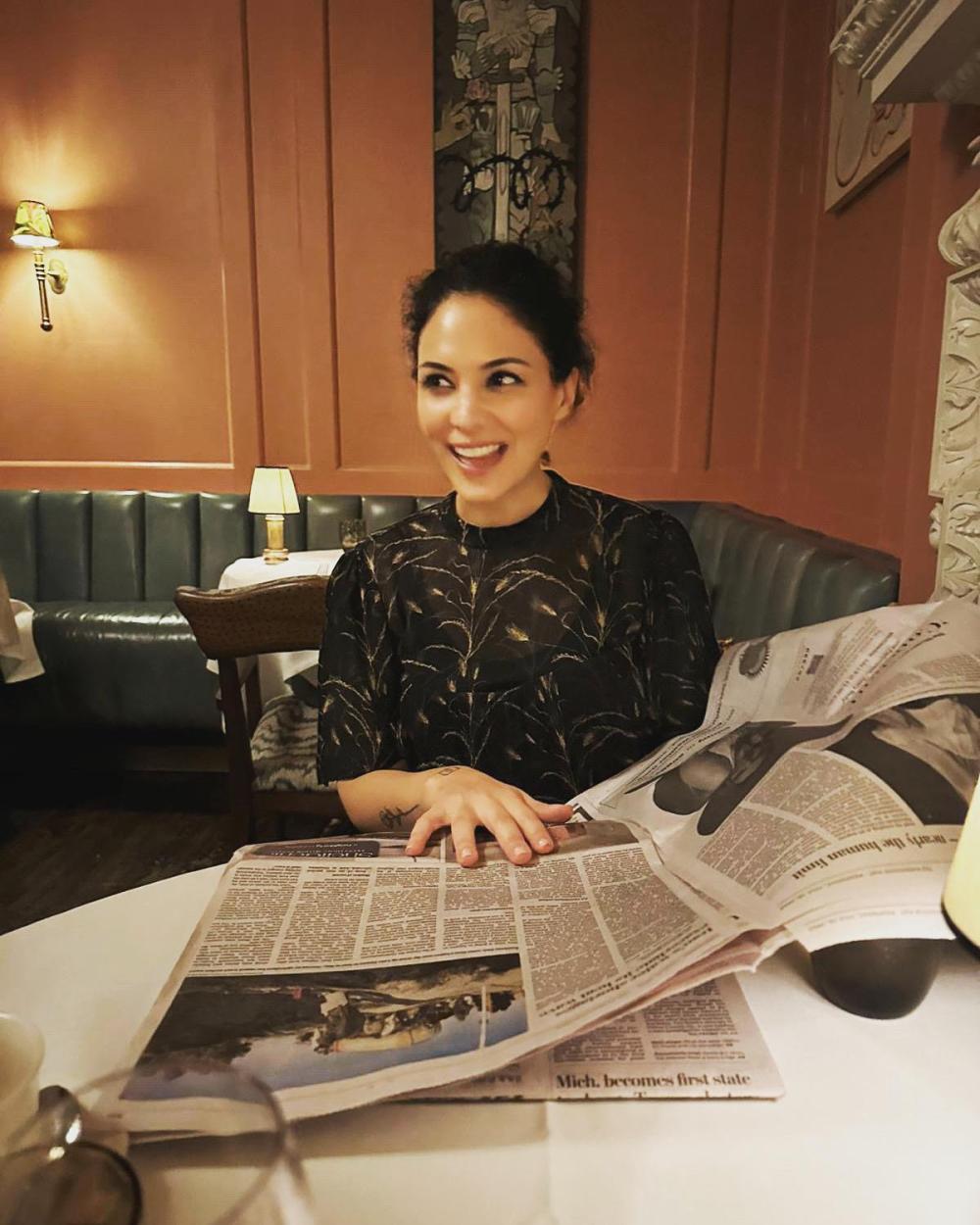
Since the protests in late December, her work has been entirely focused on covering Iran, which for her is “a professional responsibility and a personal one.”
"Recent events and escalating tensions involving Iran are a reminder of how fragile the situation in the region remains", she adds. "Alongside the human and political consequences, Iran is also facing serious environmental challenges, particularly related to water scarcity and environmental degradation, which continue to affect people’s daily lives and the country’s future".
Support from women in senior roles
SOAS helped Sanam lay the foundation of her knowledge of the economy in the Middle East, while also offering a rich social environment with a very good academic reputation.
Be persistent and identify your goal, role and dream job. Start contacting and following people at organisations you want to work for on social media to establish a foundation.
Reflecting on her career, she highlights the importance of women in senior positions supporting those at earlier stages of their journey: “I had a number of female editors and colleagues who gave me chances to publish articles. It can be very hard to get that first article published, and I had my first break in journalism given to me by a female editor.”
Looking to the future, she hopes to see “more diversity and positions in senior roles to be given to women from all parts of the world, including Iran.”
Her guidance for aspiring journalists is clear and practical: “Be persistent and identify your goal, role and dream job. Start contacting and following people at organisations you want to work for on social media to establish a foundation.”
Yijia Tu
Bridging cultures through sound
From navigating cross‑cultural strategy at one of the world’s biggest record labels to performing on international stages, Yijia’s career sits at the intersection of creativity, research, and global collaboration.
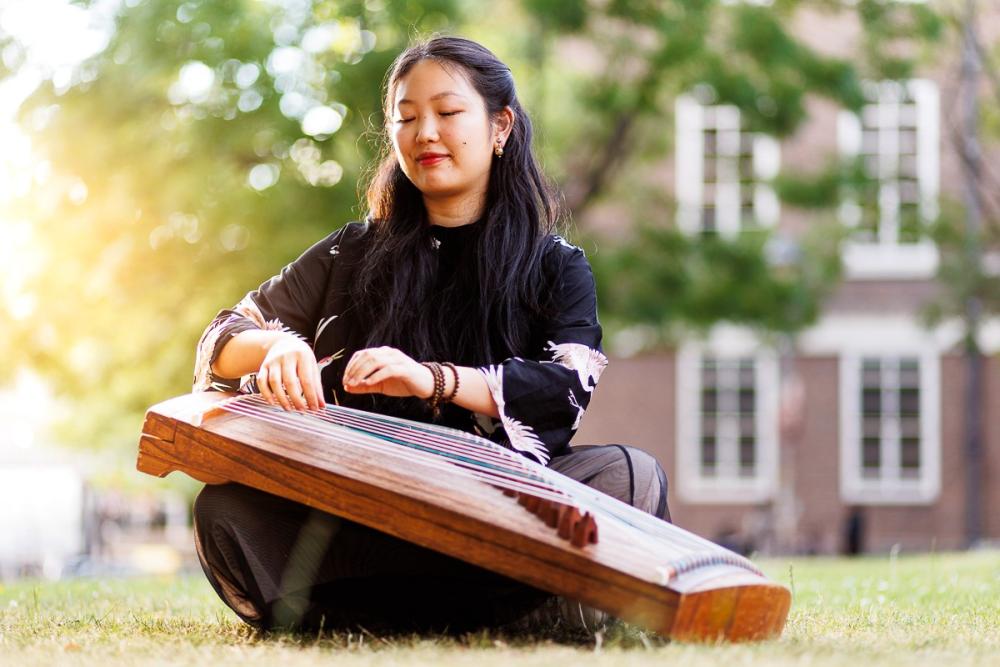
Blending industry insight with deep cultural understanding, she is helping to redefine what global music can be.
Her advice for women entering the music industry is to “understand inequalities but don’t internalise them. Protect your well-being, it’s foundational to your success.”
Creating cross‑cultural pathways in the global music industry
In her current role within the international division of a major global record label, Yijia focuses on cross‑cultural strategy and global artist development, particularly between the UK and China.
Her work centres on how music travels across borders: building long‑term partnerships, shaping culturally informed campaigns, and creating space for meaningful artistic collaboration.
“Much of my work draws on both industry insight and academic research. With a background in ethnomusicology and musicology, I approach strategy not simply from a commercial perspective, but through cultural context — thinking about how sound, identity, and narrative resonate differently in different spaces.”
Alongside her industry work, she continues to perform and create. A singer‑songwriter, traditional vocalist, and guzheng player, she released her latest album, TU, as an exploration of memory, consciousness and identity. Many of the songs were recorded with The Sages, the cross-cultural band project she formed at SOAS.
Her performances have taken her to the Royal Albert Hall, WOMAD, and international TED and TEDx stages.
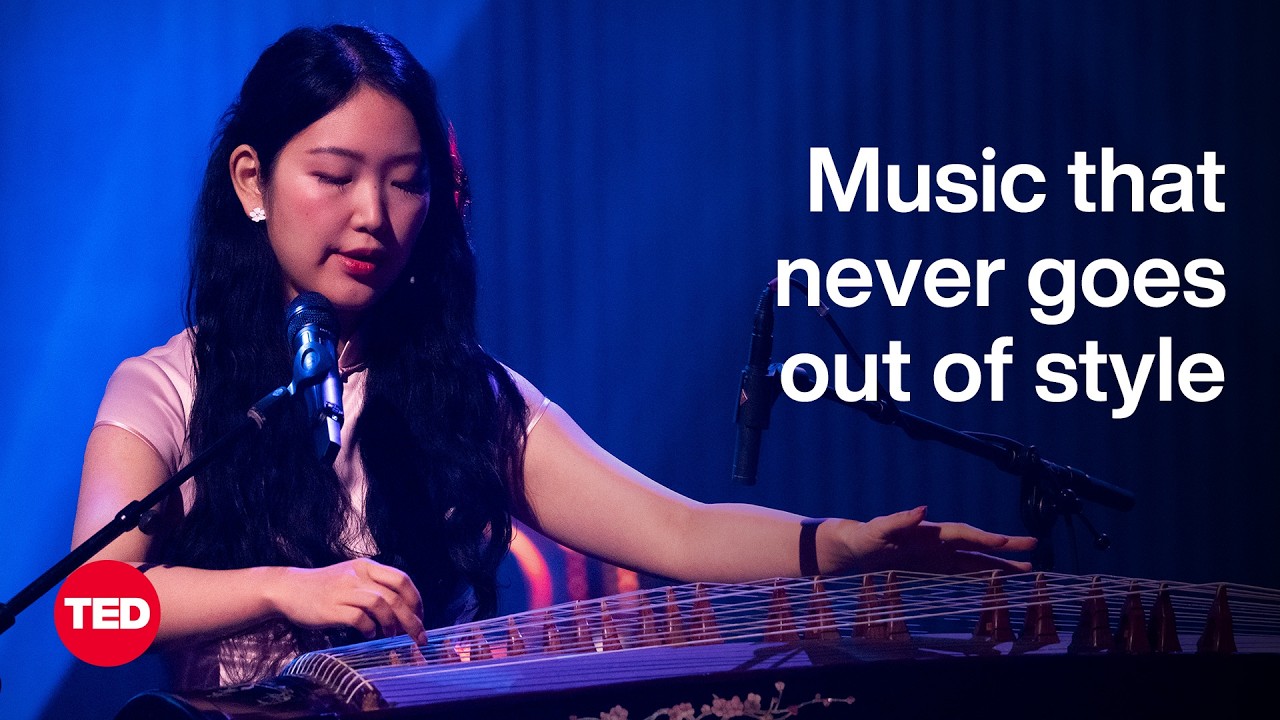
Across all these spaces, her mission remains the same: to use music as a form of dialogue that bridges past and present, East and West.
A career built on curiosity and cultural connection
Yijia’s journey began in China, where she first gained recognition as a songwriter and performer through the television show Sing My Song. Seeking a deeper understanding of global music traditions, she moved to the UK to study ethnomusicology at SOAS, later completing a Master’s in Musicology at Oxford.
SOAS helped me see my own culture and heritage in a new light. That perspective is invaluable when working in intercultural communication and exchange.
Her decision to study at SOAS was driven by curiosity: “I remember seeing photos of people playing gamelan, a shakuhachi player with a basket on their head, and a kora, and I didn’t know what any of these instruments were. That curiosity inspired me to apply.”
SOAS, she says, transformed her understanding of global musical traditions: “It helped me see my own culture and heritage in a new light. That perspective is invaluable when working in intercultural communication and exchange.”
Along the way, Yijia founded cross‑cultural band projects, appeared on BBC Radio 3, worked across live music environments, and navigated the industry as a self‑managed musician. These diverse experiences gave her what she calls a “360‑degree perspective of the music industry”.
Gender, leadership, and changing the industry from within
Yijia’s path has not been without challenges. As a female musician in the pop music industry, she recalls experiences of ageism, pressure regarding appearance, and unsolicited advice from senior men about her future.
Having women in leadership genuinely changes the dynamic. It creates a more supportive and empowering environment.
“These experiences were difficult, but they strengthened my resolve. They partly motivated me to work within the industry so that change can happen from inside the system.”
Role models and networks have been essential, as well as female leadership within her label: “Having women in leadership genuinely changes the dynamic. It creates a more supportive and empowering environment.”
Looking ahead, she hopes to see more structural support for women, particularly those from ethnic minority backgrounds, across funding, leadership and long‑term career opportunities.
To her younger SOAS self, Yijia would say that the hardest moments will not last forever: “There are always communities and support systems around you. Learning to care for yourself during transitions is part of growing up.”