The use of AI in the UK asylum system

Key information
- Date
- Time
-
6:30 pm to 8:00 pm
- Venue
- Portcullis House
- Room
- Macmillan Room
- Event type
- Seminar & Event highlights
About this event
Join policymakers, lawyers, and human rights defenders to examine the legality and dangers of the Home Office's Al pilot.
The Home Office has recently published a summary of its AI pilot to deploy artificial intelligence within the UK asylum system. Officials describe these systems as 'aiding tools' that merely support human caseworkers. But emerging research and early legal analysis suggest this framing understates their true impact on the people whose claims and futures hang in the balance.
The pilot covers two tools now entering the asylum process: one that uses AI to summarise applicants' interview transcripts, and another that searches and summarises country policy information used to assess claims. The Home Office's own evaluation found that nearly one in 10 AI-generated summaries were so flawed they had to be removed, yet applicants are not told when these tools are used in their cases.
The Open Rights Group has published a policy paper setting out the risks these tools pose to fairness, transparency, and the rights of people seeking asylum, and has worked with a leading legal team to prepare a detailed legal opinion on the use of AI in asylum decision-making.
Hosted by Mr Paul Kohler, Liberal Democrat MP for Wimbledon, this panel brings together senior lawyers and digital rights experts to examine what the evidence really shows: whether automated systems can be reconciled with the right to a fair hearing, how decisions made or shaped by AI can be challenged, and what safeguards are needed before these tools are embedded any further.
Read the relevant policy briefing, titled 'AI in Asylum Decisions: Transparency and Accountability Failures'.
About the speakers
Robin Allen KC
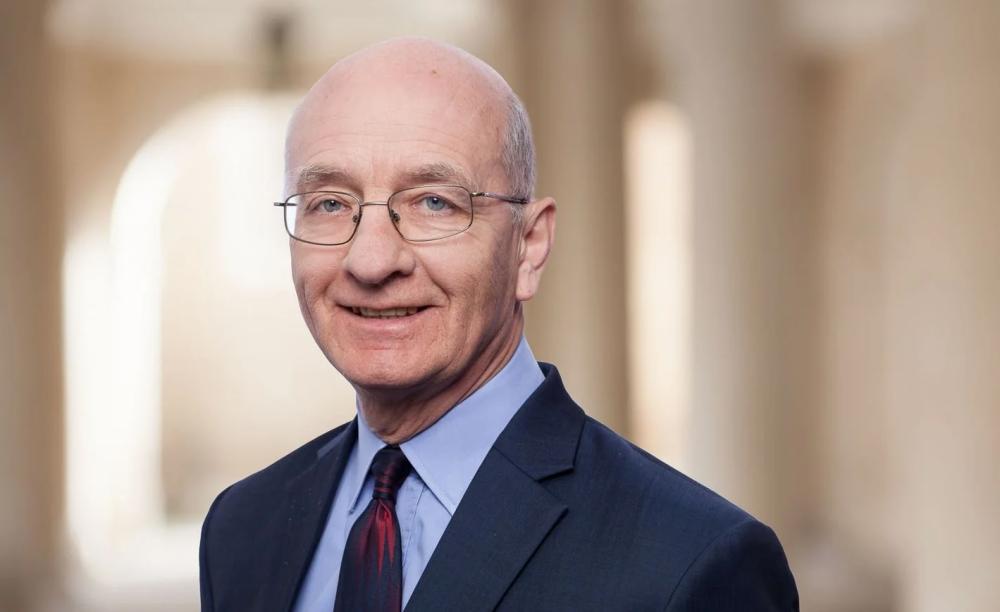
Robin Allen KC is a barrister at Cloisters Chambers specialising in employment, equality, discrimination, equal pay, human rights, public law, artificial intelligence, and local authority work. He represents a wide range of clients, including individuals, businesses, trade unions, public bodies, universities, charities, and government organisations. Frequently involved in landmark and test-case litigation, he works across the UK and Europe. His international practice includes advising on cross-border employment and equality matters, labour disputes, labour arbitration, European legal developments, amendments to international aviation law, and the regulation of artificial intelligence. He is recognised for expertise in complex and high-profile cases.
Image credit: Cloisters Chambers
Emily Soothill
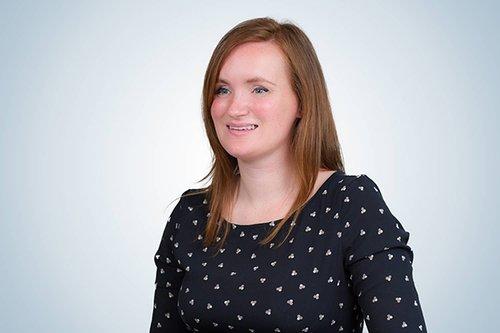
Emily Soothill is a partner at Deighton Pierce Glynn specialising in public law and human rights. She joined the firm in 2017 and is ranked for civil liberties and human rights in the Chambers and Partners legal directory. Her practice includes public law challenges and complex group claims. Emily has successfully represented asylum seekers challenging the legality of accommodation at Napier Barracks, Wethersfield Airfield, and the Bibby Stockholm barge. She currently acts in group claims for damages on behalf of individuals unlawfully detained at Manston and those affected by the unlawful Rwanda removal scheme.
Image credit: Deighton Pierce Glynn
Sara Alsherif
Sara Alsherif is Migrant Digital Justice Programme Manager at the Open Rights Group and a researcher and advocate specialising in digital rights, human rights, and technology. She holds a masters degree in Digital Media from the University of Sussex, where her work explored issues including data collection on social media, gender and technology, algorithmic bias, machine learning, and recognition technologies. In 2021, she launched the Arabic-language podcast Talk-Nology, focusing on technology and human rights. Sara has collaborated with organisations including UNESCO, New America, APC, Global Voices, and the Media Diversity Institute, and is active in community and human rights initiatives.
Image credit: Open Rights Group
Dr Yenn Lee
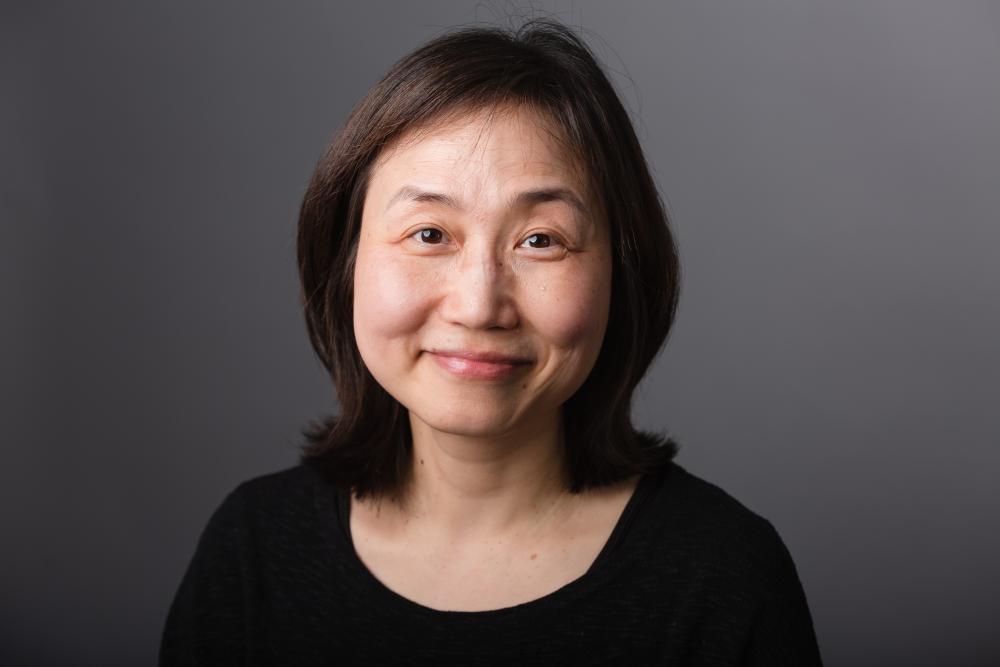
Dr Yenn Lee is a Digital Sociologist and Deputy Head of the Doctoral School at SOAS. Since joining SOAS in 2012, she has designed and delivered interdisciplinary doctoral training programmes, taught research methods and researcher development, and provided individual support to doctoral researchers. She supervises PhD projects exploring the relationships between emerging technologies, power, and regional culture, and serves on several institutional committees, including research ethics and research culture bodies. Beyond SOAS, she contributes to major doctoral training partnerships and postgraduate skills networks. Her research focuses on digital cultures and politics, particularly in South Korea and the wider Asia-Pacific region.