How can we break cycles of nationalism and violence? SOAS professor's book explores the politics of remembering the past


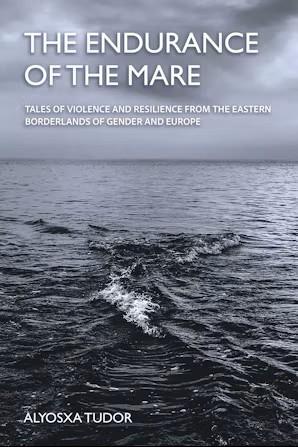
In The Endurance of the Mare, Professor Alyosxa Tudor draws on family histories to explore how migration, trauma and violence has shaped generations – and how confronting the past might help transform the present.
Combining speculative fiction and political analysis, Professor Tudor asks; how do we remember histories of violence without reproducing the conditions that made that violence possible? How can memory discourse reject nationalist certainties and instead imagine transnational politics and solidarities in the present?
At the centre of the book is Pena, born in 1911 in Budjak, then part of the Russian Empire and now in Ukraine. In the 1930s, she travels to Dobruja, Romania, as a seasonal migrant worker, but is forced to stay. Through Pena's story, Professor Tudor traces the personal and political consequences of migration, examining how border violence shapes family relationships, gender and sexuality, and ideas of national identity across generations.
One of the arguments this book takes forward is that there is no such a thing as one’s “own people” when it comes to struggles for justice in the present.
Rather than simply describing the past, Professor Tudor explores what it means to revisit and retell it. The book challenges the idea that experiences of historical suffering can, in themselves, justify present-day political claims to innocence. Instead, drawing connections between struggles in Eastern Europe and Palestine, it asks how we might acknowledge inherited trauma while refusing to reproduce the nationalisms and exclusions that sustain cycles of harm.
Speaking on the book, Professor Tudor added:
"I insist that my autobiographical ties to Pena’s mother and sister, who died from human-made starvation, and to Pena, who barely survived state terror and famine, require more than simply remembrance and a focus on political demands based on intergenerational suffering. One of the arguments this book takes forward is that there is no such a thing as one’s “own people” when it comes to struggles for justice in the present. The political task is to stand in solidarity with Gaza in the present rather than to be absorbed in nationalist projects that focus mainly on gaining recognition for one's own past historical injustices."
Connecting feminist, queer, trans and anti-racist movements across geographical and historical boundaries, The Endurance of the Mare offers a way of thinking about political responsibility beyond inherited narratives of victimhood and belonging. Ultimately, it asks how a different relationship with the past might open up possibilities for solidarity, resistance and transformation in the present.
In The Endurance of the Mare: Tales of Violence and Resilience from the Eastern Borderlands of Gender and Europe is published by Cornell University Press.