Can Good Governance Tackle Bad Debt? The Political Economy of Public Debt Management

Key information
- Date
- Time
-
6:00 pm to 7:30 pm
- Venue
- SOAS, Philips Building
- Room
- Khalili Lecture Theatre
- Event type
- Seminar
About this event
The Open Society Foundations, the SOAS Anti-Corruption Evidence (SOAS-ACE) research consortium, and the SOAS Centre for Sustainable Finance will host the launch of a new study, Can Good Governance Tackle Bad Debt? The Political Economy of Public Debt Management.
The causes of sovereign debt crises are complex and varied, from structural inequities in the global financial system to volatile external shocks. Yet a recurring and often decisive feature of these crises lies in domestic governance failures – the ways in which powerful local constituencies, in collusion with external actors, are able to generate and sustain unsustainable debt. Traditional ‘good governance’ reforms promoted by the IMF and World Bank have largely failed to prevent such crises or to foster genuine accountability. Nonetheless, improving debt governance remains essential – not only to reduce the likelihood of repeated defaults but also to assure donors and creditors that debt relief will not be followed by another round of fiscal irresponsibility. The problem is not a lack of recognition of corruption or mismanagement, but rather a lack of feasible, politically grounded strategies for addressing them.
This research examines the political economy of public debt management in Sri Lanka and Bangladesh, analysing how the power, capabilities, and interests of key actors shape fiscal and economic decision-making. It challenges the assumption that transparency and accountability measures alone can safeguard debt sustainability, demonstrating that effective governance requires enforcement by actors with both the incentives and capacity to ensure compliance.
Using the Power–Capabilities–Interest (PCI) framework, the study identifies where horizontal checks within policy and resource flows can reduce leakages in state-owned enterprises and infrastructure contracting. Empirical findings from Sri Lanka highlight how weak oversight and misaligned incentives in infrastructure governance – especially in state-owned enterprises and FDI-linked projects – have contributed to fiscal distress. A case study of the Adani solar energy project shows the consequences of overpriced contracting for public finances and development outcomes, leading to its eventual cancellation. The analysis develops a two-step diagnostic method for identifying distortions in renewable energy contracts.
Bangladesh serves as a comparator case, providing insights into how differing political and institutional configurations shape the governance of infrastructure and public debt. Together, the findings offer practical guidance for governments and development partners seeking politically feasible institutional mechanisms to strengthen public debt management, improve infrastructure governance, and mitigate fiscal risks.
The geopolitical uncertainties of the war in West Asia and the damaging economic consequences linked to energy prices are likely to sustain, especially for developing countries. Therefore, ensuring that infrastructure and energy infrastructure procurement decisions are made to the highest standards for public good is a high priority. This research on the political economy of the excessive build-up of sovereign debt contributes to this.
Participants are invited to a drinks reception in front of Khalili Lecture Theatre from 7:30pm to 8:30pm.
Header image credit: Mohamed Ansaf via Pexels.
About the speakers
Nikhil Wilmink
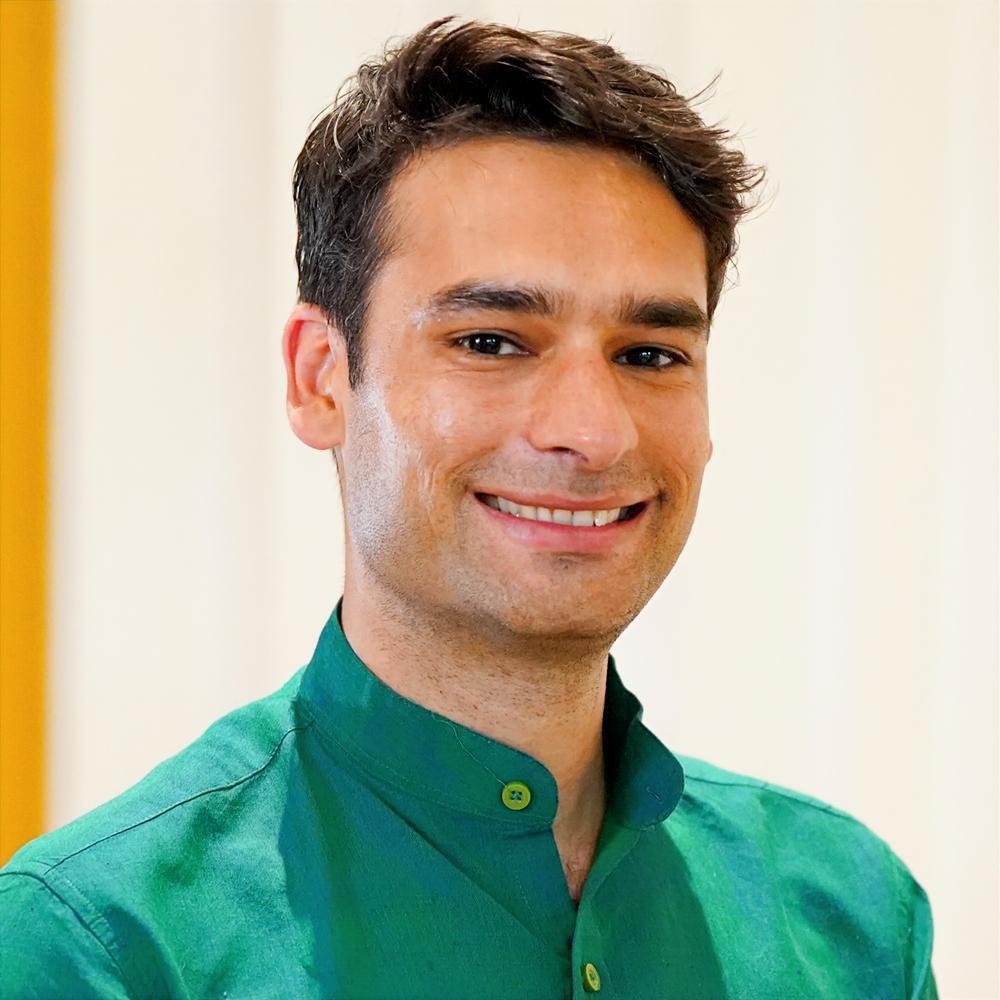
- Nikhil Wilmink is a Program Manager at Open Society Foundations, working globally on governance and economic justice issues. Previously, he supported the EU’s Facility for Refugees in Turkey, led implementation research for the Clinton Health Access Initiative in Zambia, and worked with policy and research teams at MIT's Poverty Action Lab (J-PAL) in India. He has degrees in economics & governance and development studies.
Dr Mushtaq Khan
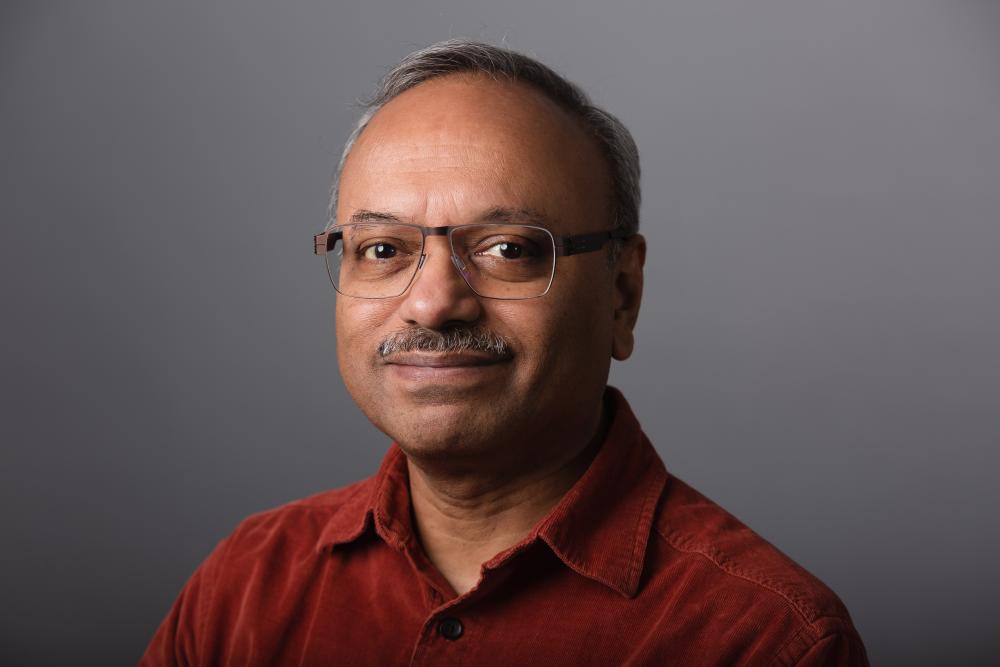
- Dr Mushtaq Khan is Professor of Economics at SOAS University of London and Executive Director of SOAS-ACE. A leading thinker on anti-corruption, governance, economic development, industrial policy and political settlements, he has led major international research programmes, including UK Aid’s Governance and Growth Research Programme. He has served on the United Nations Committee of Experts on Public Administration and the World Bank’s Panel of Experts on Policy Implementation, and speaks widely on governance, corruption and development.
Dr Pallavi Roy
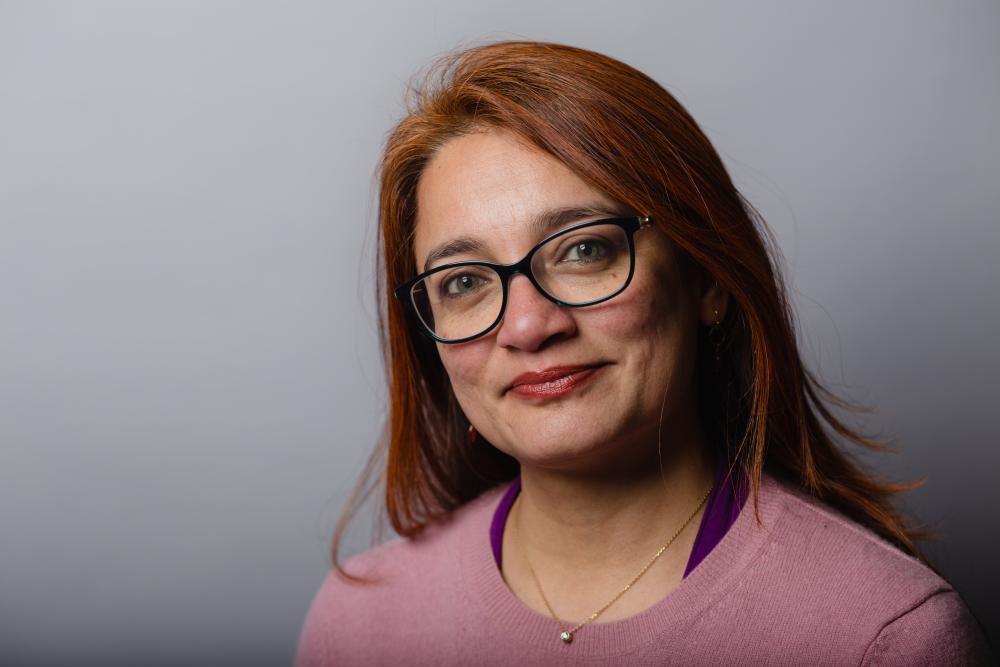
- Dr Pallavi Roy is a Professor in Political Economy at SOAS and the Research Director for SOAS-ACE. She brings multi-sector experience to issues of rent-seeking, economic development and political economy research. She has overseen over 11 research projects, including leading an international research project on multilateralism and the United Nations. Prior to academia, Pallavi was a financial journalist in India, covering politics, infrastructure and metallic commodities.
Dr Ulrich Volz

- Dr Ulrich Volz is Professor of Economics at SOAS University of London and Director of the Centre for Sustainable Finance. He is also affiliated with leading institutions including the German Institute of Development and Sustainability, the London School of Economics, and the University of Leipzig. He has advised governments, central banks and international organisations – including the International Monetary Fund, World Bank, Asian Development Bank and United Nations – on macroeconomic policy, climate risk, sustainable finance and financial sector development.
About the organisers
The SOAS Anti-Corruption Evidence (SOAS-ACE) research consortium takes an innovative approach to anti-corruption policy and practice. The programme, funded by the UK’s Foreign, Commonwealth and Development Office and hosted by SOAS University of London, is responding to the serious challenges facing people and economies affected by corruption.
The SOAS Centre for Sustainable Finance aims to advance the transition to an equitable, low-carbon economy by providing a forum for interdisciplinary research and teaching on sustainable finance and investment.
The Open Society Foundations are the world’s largest private funder of independent groups working for rights, equity, and justice.