Art and Politics in Africa Journal

You are viewing:
About
About
Art and Politics in Africa is a peer-reviewed journal that seeks to interrogate the intersections of visual art and politics.
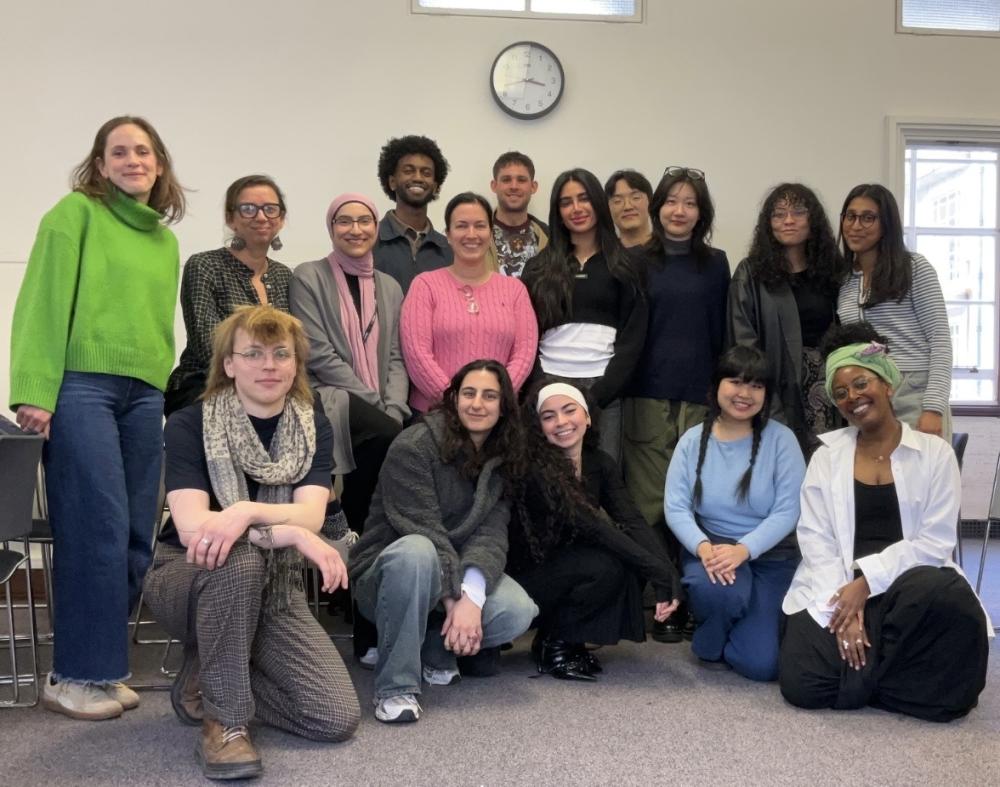
Written, designed and edited by MA students at the School of Arts, SOAS University of London, this annual, open access journal brings together critical writing on contemporary art and politics in Africa to foreground new perspectives on the potential, and limits, of art as an engine of social change.
Latest issue
Issue Three of the journal, Resistance: Reimagining Power, Memory, and Freedom, explores the relationship between art and politics in Africa through the lens of resistance as both refusal and world-making.
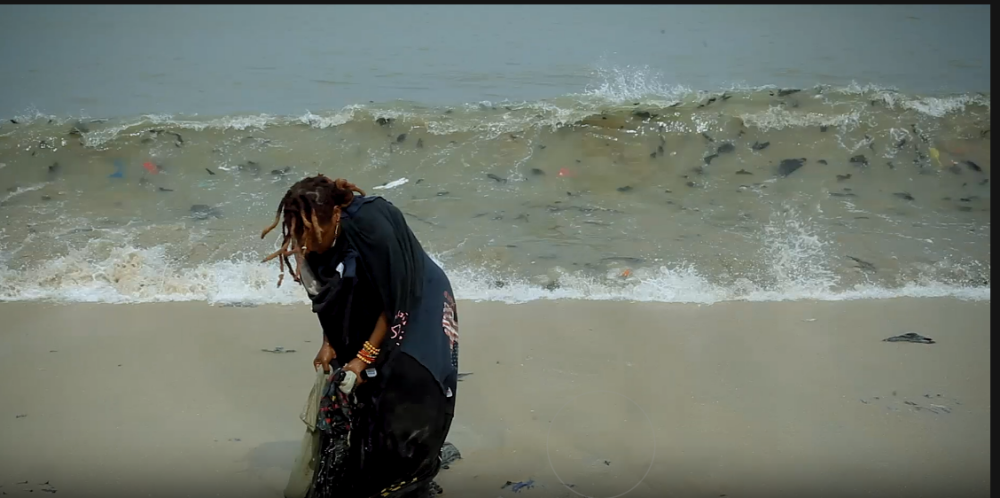
Across essays spanning photography, film, poetry, sculpture, digital collage, and performance, contributors examine how African artists confront colonialism, neo-colonialism, capitalism, and systems of racial violence while reclaiming narrative and epistemic power. Resistance emerges not only as opposition to injustice, but also as a form of cultural and epistemic reclamation grounded in memory, imagination, and alternative ways of seeing and being.
The issue foregrounds the creation of alternative futures rooted in African memory, ecology, and embodied knowledge. Contributors examine how artistic practices challenge colonial systems of representation and classification by rethinking identity, land, the body, and visibility while refusing Eurocentric frameworks and imposed narratives.
Through themes including Afrofuturism, migration, cartography, opacity, and speculative futures, Resistance highlights artistic practices that disrupt imposed histories and open space for self-determination and liberation. Ultimately, we position African artistic practice as political intervention: a radical act of remembering, imagining, and building worlds beyond colonial and dominant power structures.