Department of Economics

You are viewing:
Welcome

Welcome to the Department of Economics
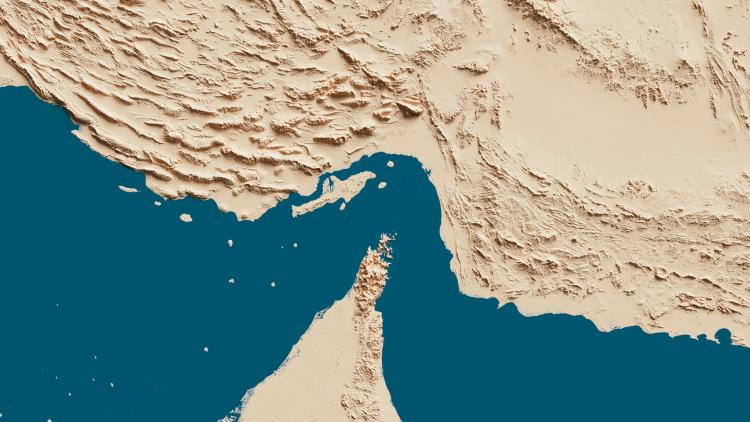
SOAS Economics offers real-world Economics teaching, grounded in a global perspective and concrete knowledge of the economies of the Global South, especially Africa, Asia and the Middle East, as well as expertise on Europe and Latin America.
Our programmes reflect the Department’s leading role in political economy and development economics, focusing on the challenges that economies are currently facing, including the cost of living crisis, climate justice, gender, race, and other socio-economic inequalities. Our research drives scholarship and policy in the UK and internationally.
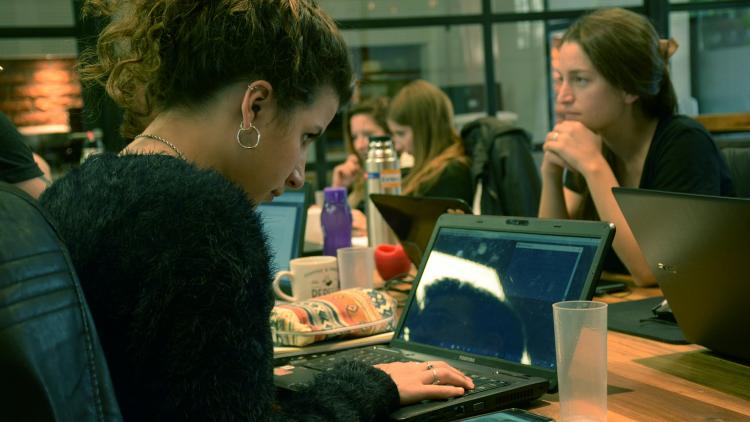
At SOAS Economics, undergraduate students can benefit from a tailored and hands-on learning in economic theories and methods, developing analytical, writing and employability skills. Students are supported through individualised academic advising and peer-mentorship. They can also spend a summer studying in Singapore and have the chance to take a placement module in their final year.
Postgraduate students also enhance practical skills in advanced economic theories and research methods, including R coding. They interact closely with experts in their field, preparing them for a career as economists in international development policy-making, consulting and commercial and academic research.
Join our supportive department and you will also enjoy a suite of extracurricular activities, from an exciting seminar series, thematic working groups, mentoring and networking opportunities with our global alumni network, not to mention our Cakeconomics social events.
Why study Economics at SOAS?
Top 25 in the UK for Economics
QS World University Rankings 2026
Joint 1st in the UK for International Faculty
QS World University Rankings 2027
11th in UK for Citations per Paper
For Economics – QS World University Rankings 2026
Economics at SOAS challenges you to think differently about the big questions of our times. By examining economics in its political, social, environmental and regional contexts, SOAS economists are uniquely positioned to tackle global challenges.
Meet the academics
Learn about the academic staff who work at and support the department.